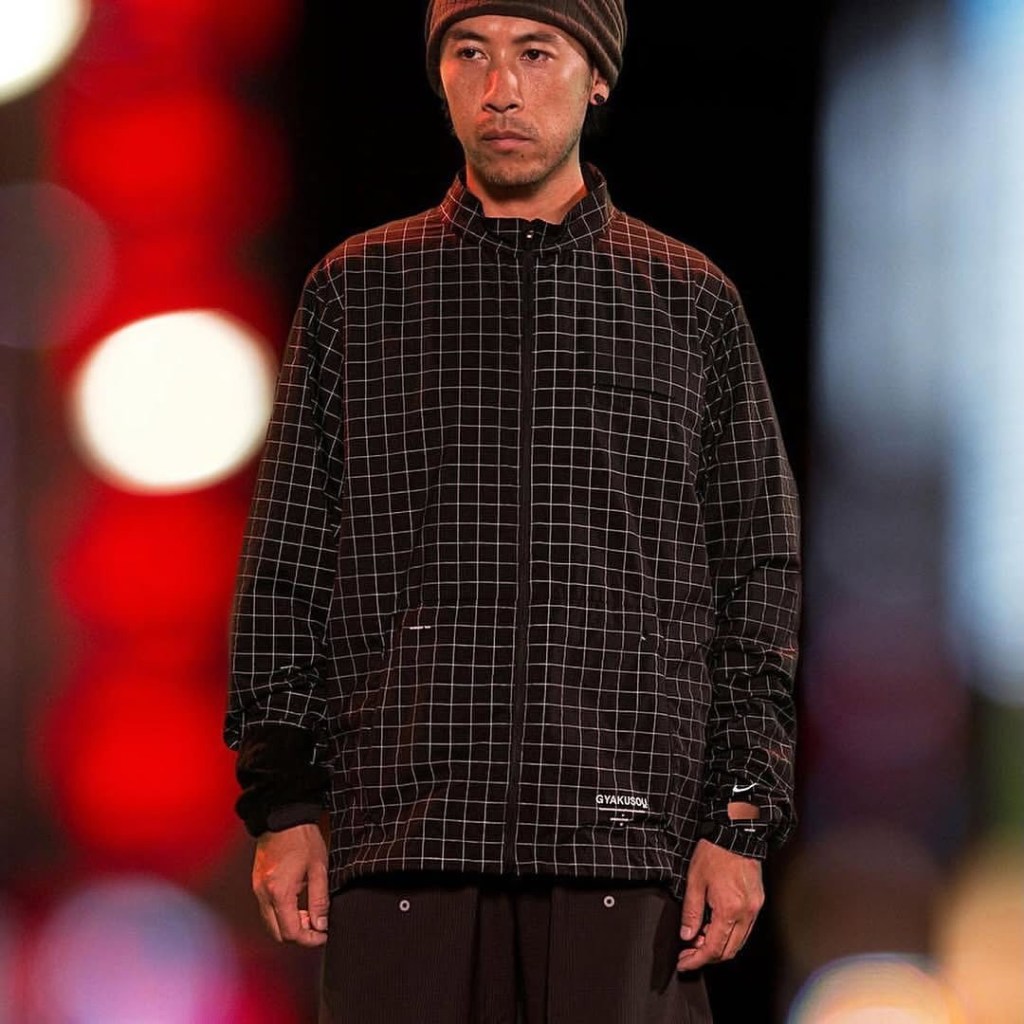
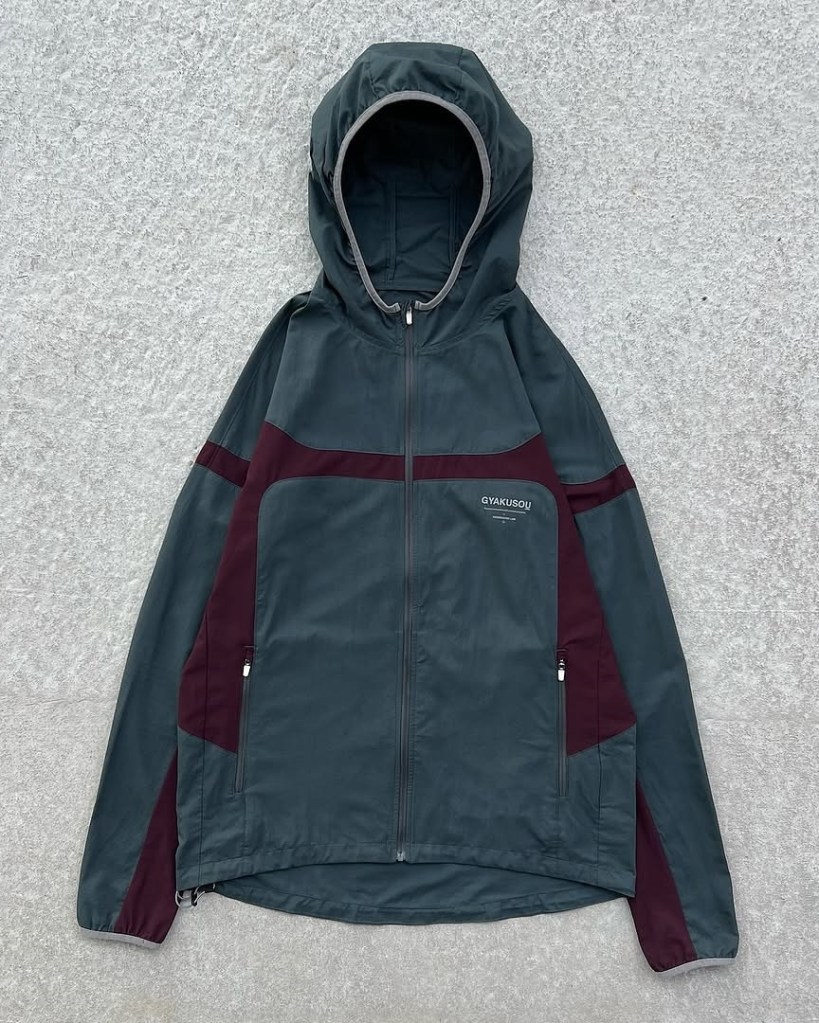
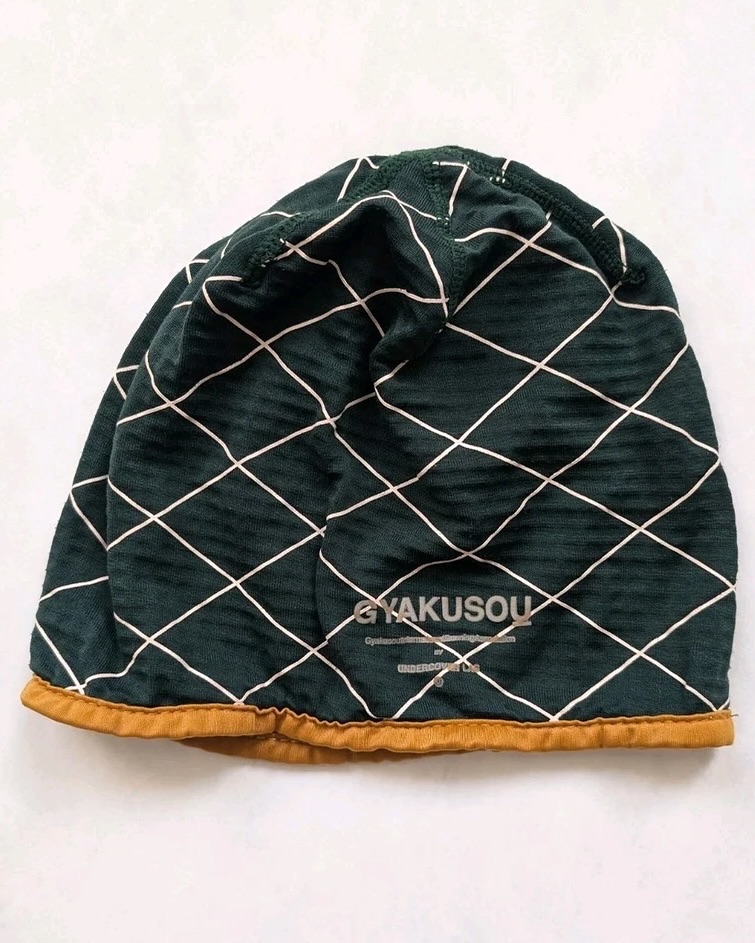
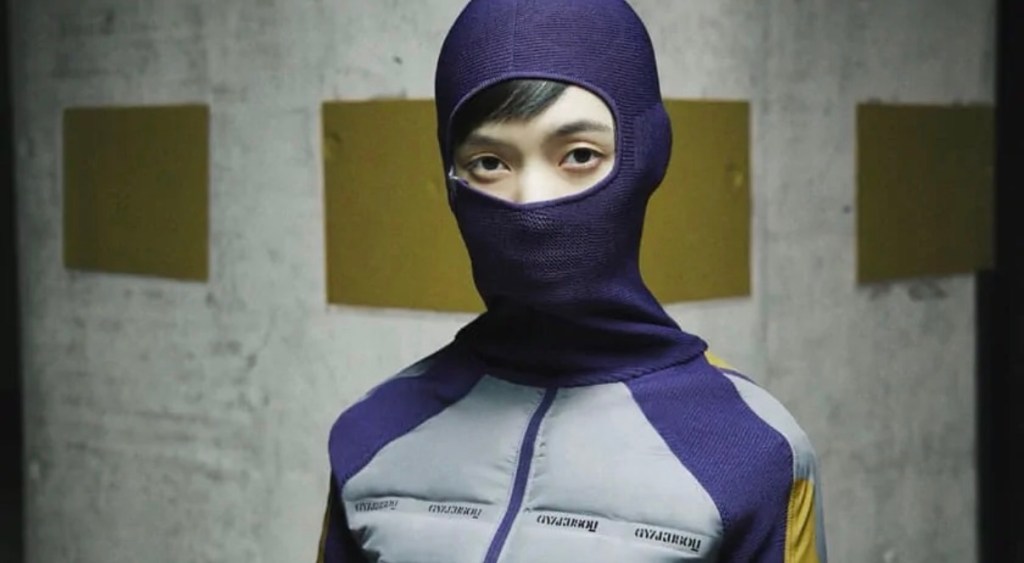

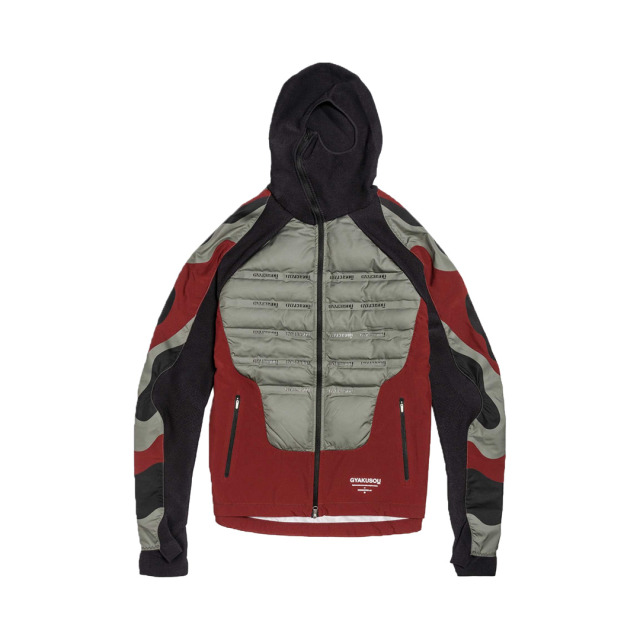
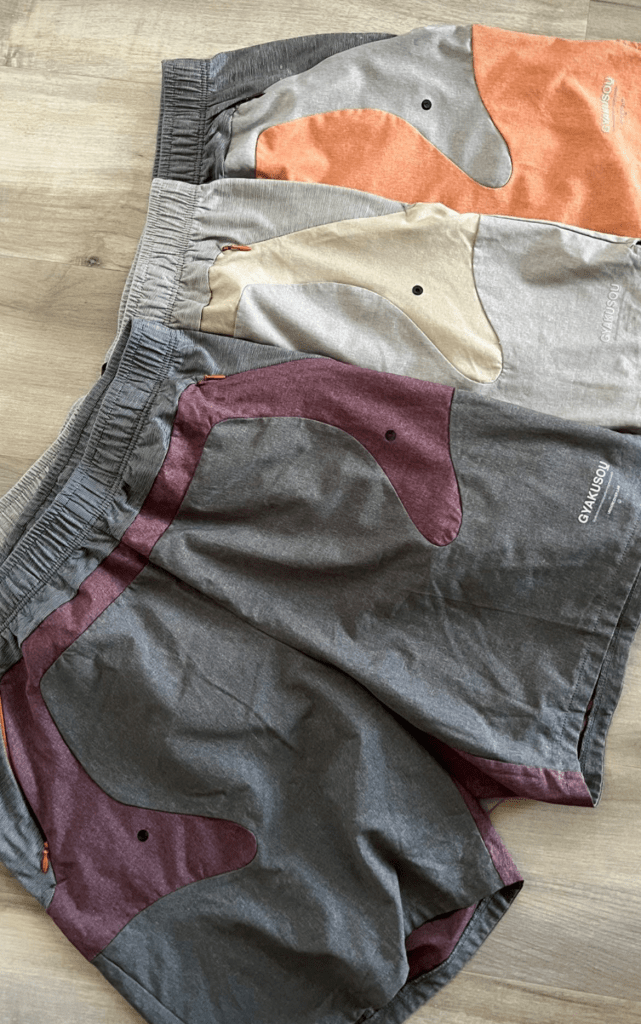
Long before running became fashion’s latest obsession, Nike Gyakusou had already built the blueprint.
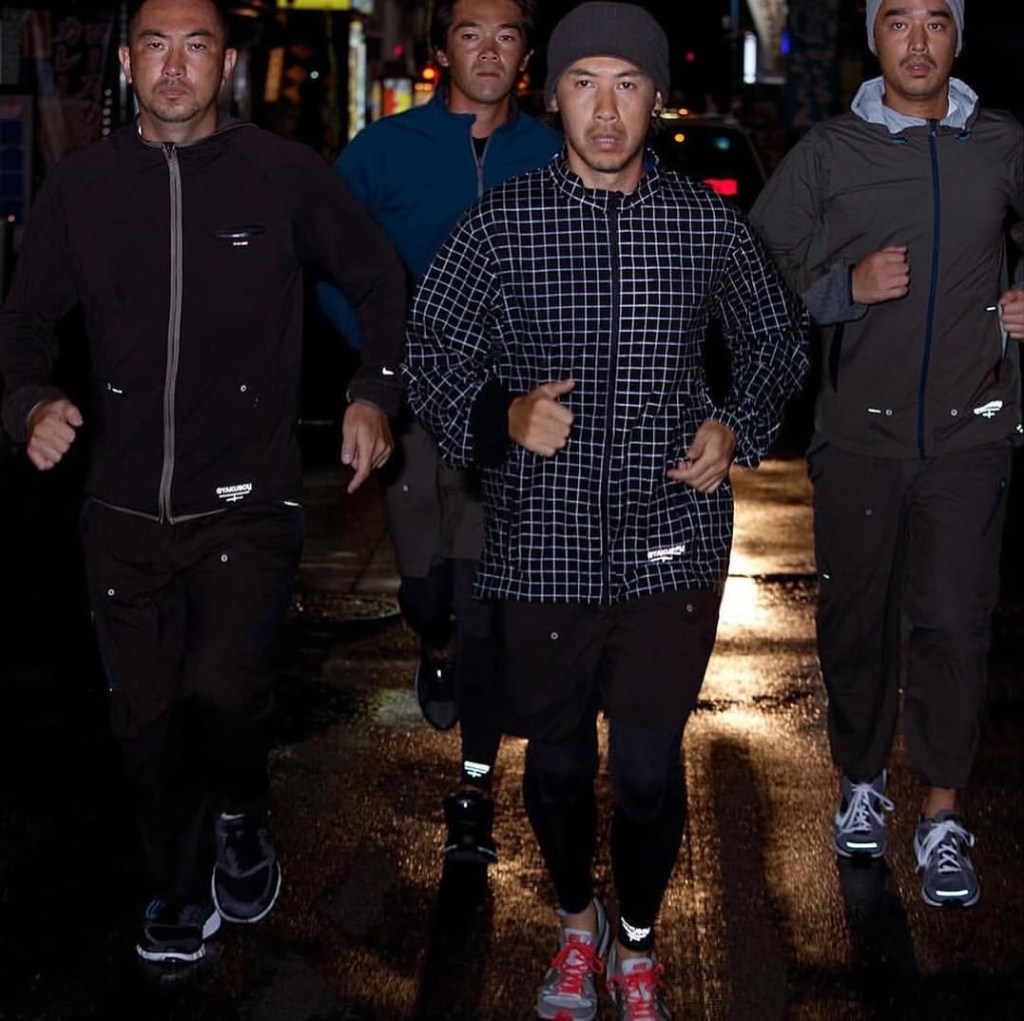
Launched in 2010 through a partnership between Nike and Undercover founder Jun Takahashi, Gyakusou emerged not from a marketing initiative, but from Takahashi’s own relationship with running. A dedicated runner, Takahashi regularly trained with a small collective known as the Gyakusou International Running Association in Tokyo’s Yoyogi Park. The group often ran in the opposite direction of the park’s designated route, a simple act that became symbolic of the project’s philosophy. The word “gyakusou” roughly translates to “running in reverse” or “running against the flow,” an idea that would come to define every aspect of the line.
At the time, performance running apparel existed largely within two worlds. Brands either prioritized pure functionality with little consideration for aesthetics, or produced fashion pieces that referenced sport without truly understanding the experience of movement. Gyakusou occupied a space between the two, merging technical innovation with a deeply considered design language rooted in both performance and personal expression.
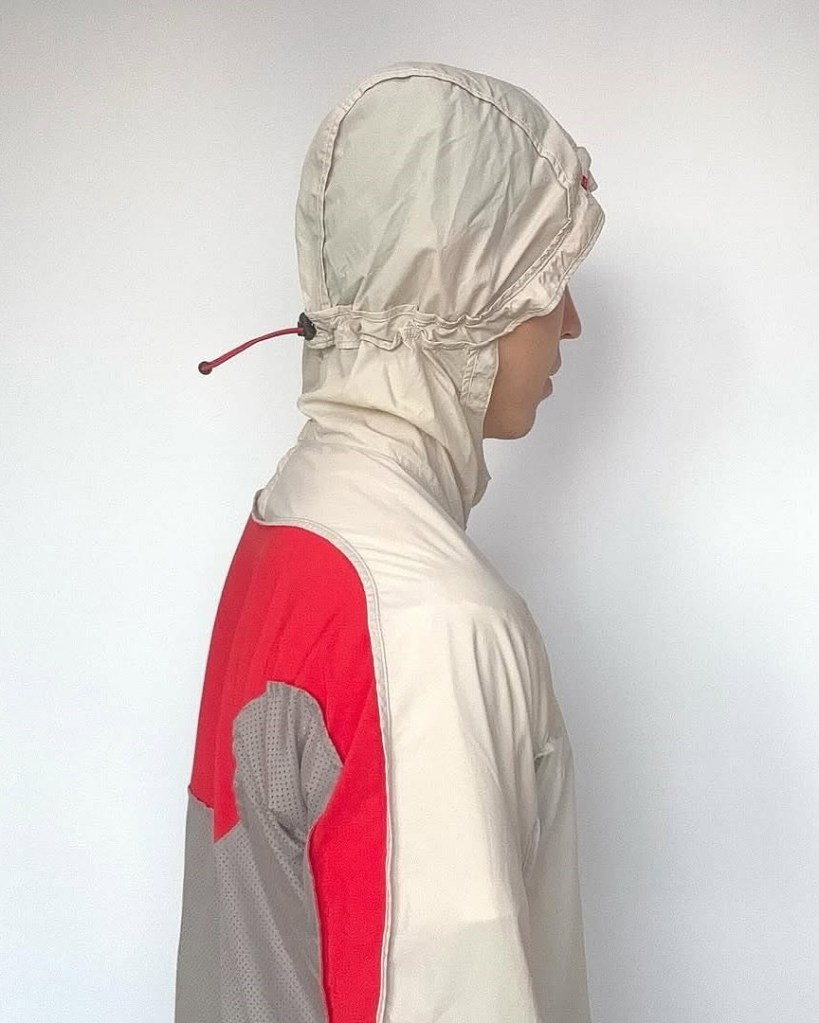
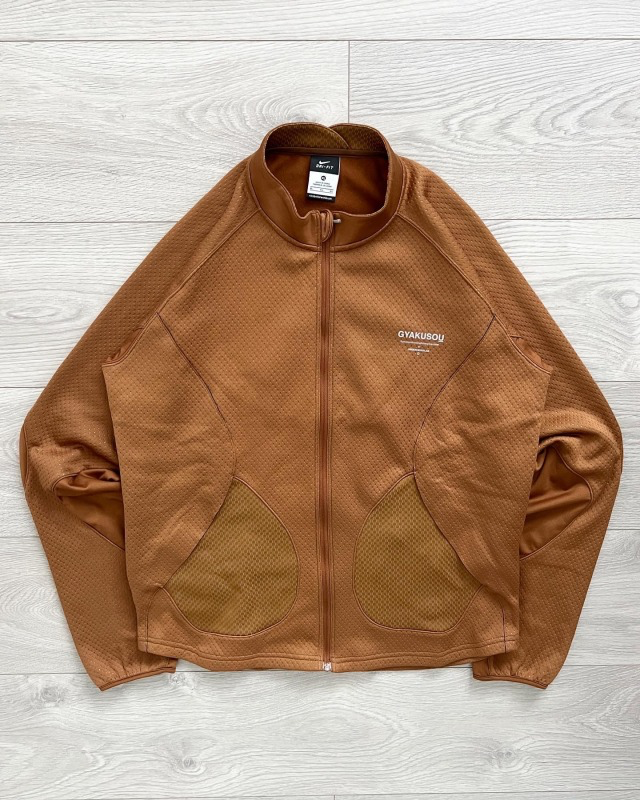
Takahashi approached the collaboration as a runner first and a designer second. Every collection was informed by real world experience, with garments extensively tested during training sessions before reaching consumers. Seams were strategically repositioned to minimize chafing during long distances. Ventilation panels corresponded to areas of the body that generated the most heat. Pockets, closures, and silhouettes were designed around the realities of movement rather than visual appeal alone. The result was apparel that felt purposeful in every detail.
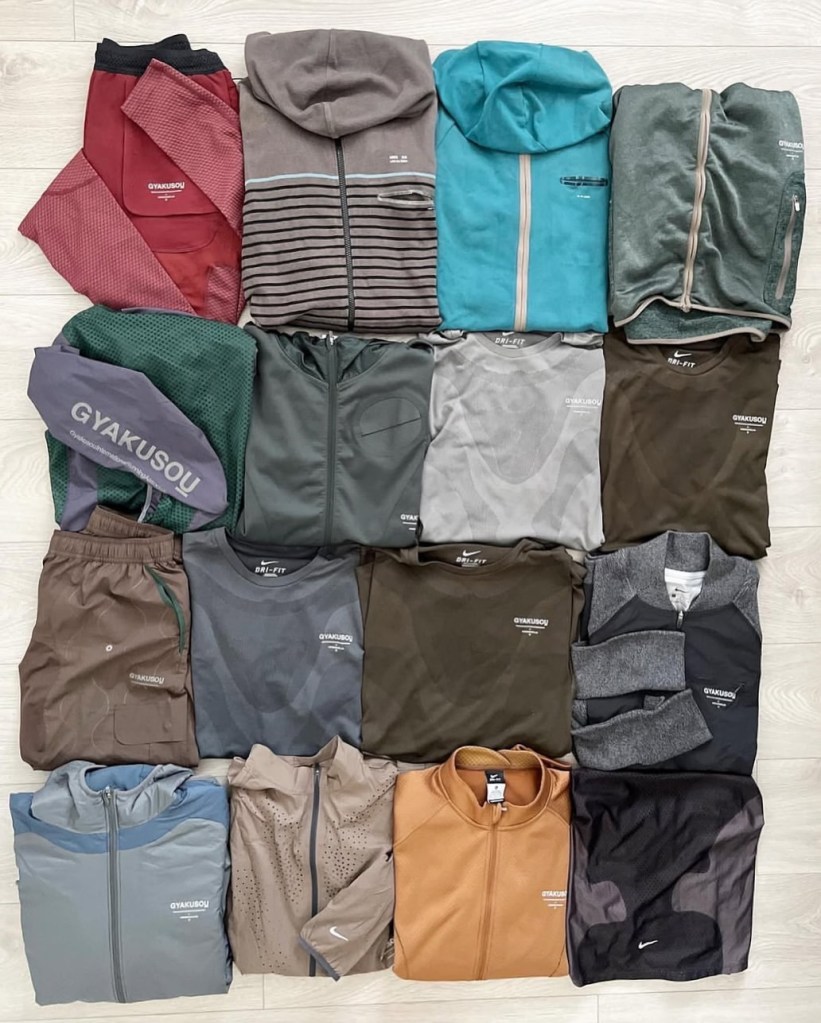
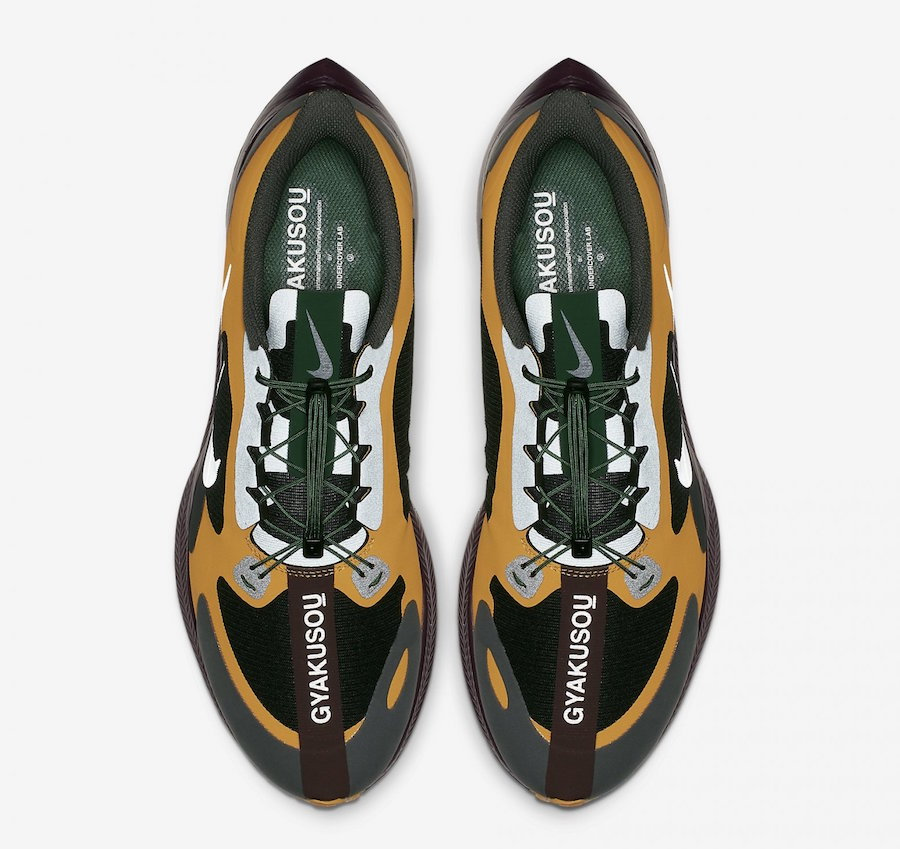
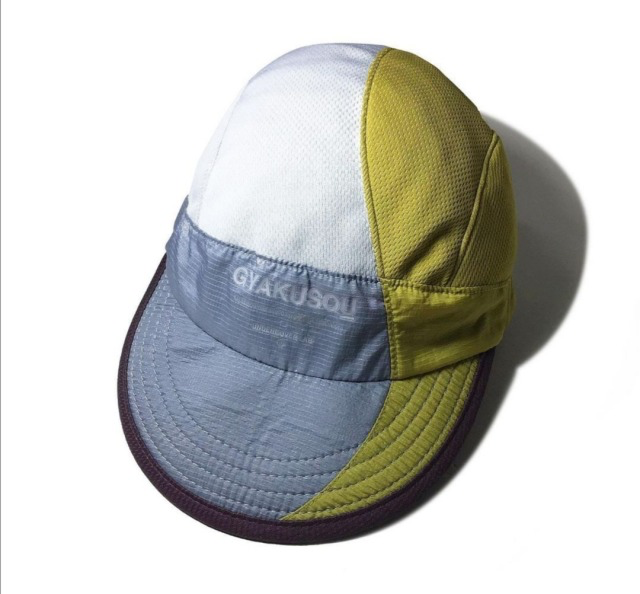
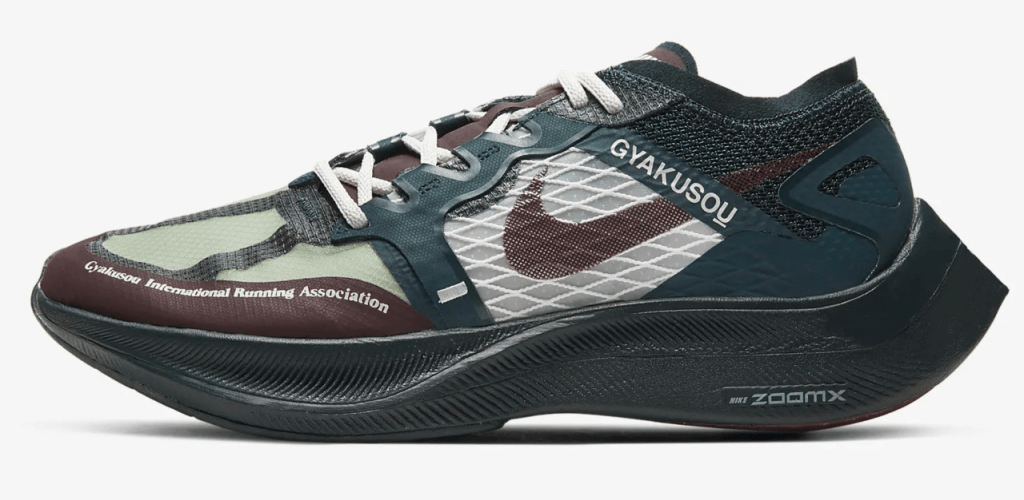
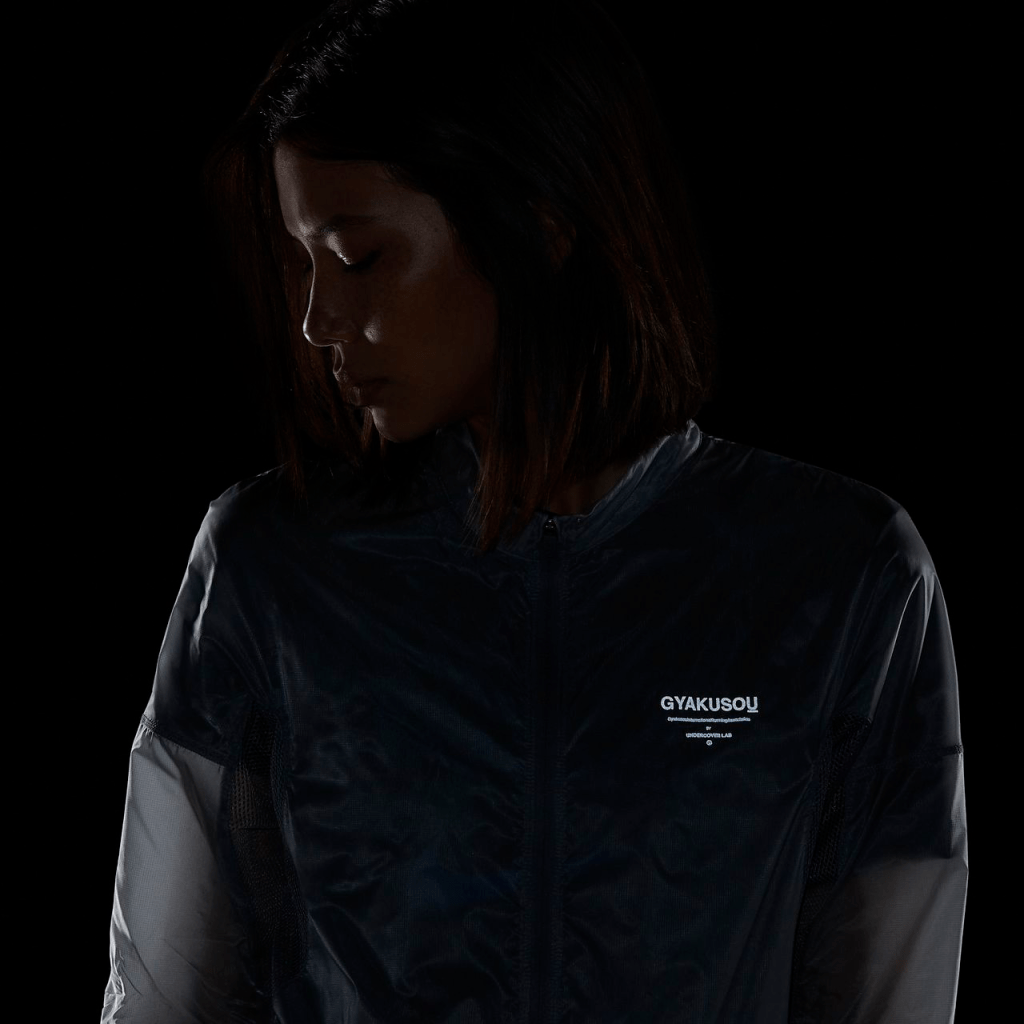
Visually, Gyakusou stood apart from nearly everything else in the running market. Rather than embracing the bright neons and overt branding that dominated performance apparel during the early 2010s, Takahashi introduced a more restrained aesthetic. Earth tones, deep greens, burgundies, muted oranges, and understated graphics reflected both Japanese design sensibilities and Undercover’s experimental spirit. The collections felt less like traditional sportswear and more like technical uniforms for a new generation of creative runners.
The collaboration’s influence extends far beyond apparel. Long before running clubs became cultural institutions and before technical sportswear entered everyday wardrobes, Gyakusou presented running as something larger than competition or performance metrics. Running became a meditative practice, a source of clarity, and an extension of one’s creative life. This philosophy resonates throughout contemporary running culture, where community, identity, and personal wellbeing often hold equal importance to pace and distance.
Many of today’s most influential performance focused brands operate within a space that Gyakusou helped establish. The rise of labels such as Satisfy and District Vision, along with fashion’s broader embrace of technical running apparel, can all be viewed as part of a lineage that traces back to Takahashi’s original vision.
More than fifteen years after its debut, Nike Gyakusou remains one of the most important collaborations in modern sportswear history. It did not simply influence how running apparel looked. It fundamentally reshaped how the industry thought about movement, proving that performance clothing could be technically rigorous, emotionally resonant, and culturally significant all at once.
Many of the ideas shaping contemporary running culture can still be traced back to Jun Takahashi choosing to move against the flow.