

Shady Lane comes out of Minnesota with a perspective that feels inseparable from where it was built. Founded by Izaak Nosbisch, a runner from Ely, Minnesota, the brand describes itself as a “Northland Essential Design Experiment,” a phrase that feels less like marketing language and more like a framework for everything surrounding the project. Running is the foundation, but the clothing is shaped just as much by weather, landscape, regional identity and the idea that performance pieces can still carry a strong visual point of view.
Nosbisch comes to the brand with a background that naturally connects those ideas. He grew up around running, competed in track and has continued racing throughout Minnesota, including marathon and half marathon distances. He also studied mechanical engineering at North Dakota State University, giving Shady Lane an interesting balance between physical experience and technical thinking. There is a sense that the clothing is meant to be used, tested and refined rather than simply designed around what running is supposed to look like.
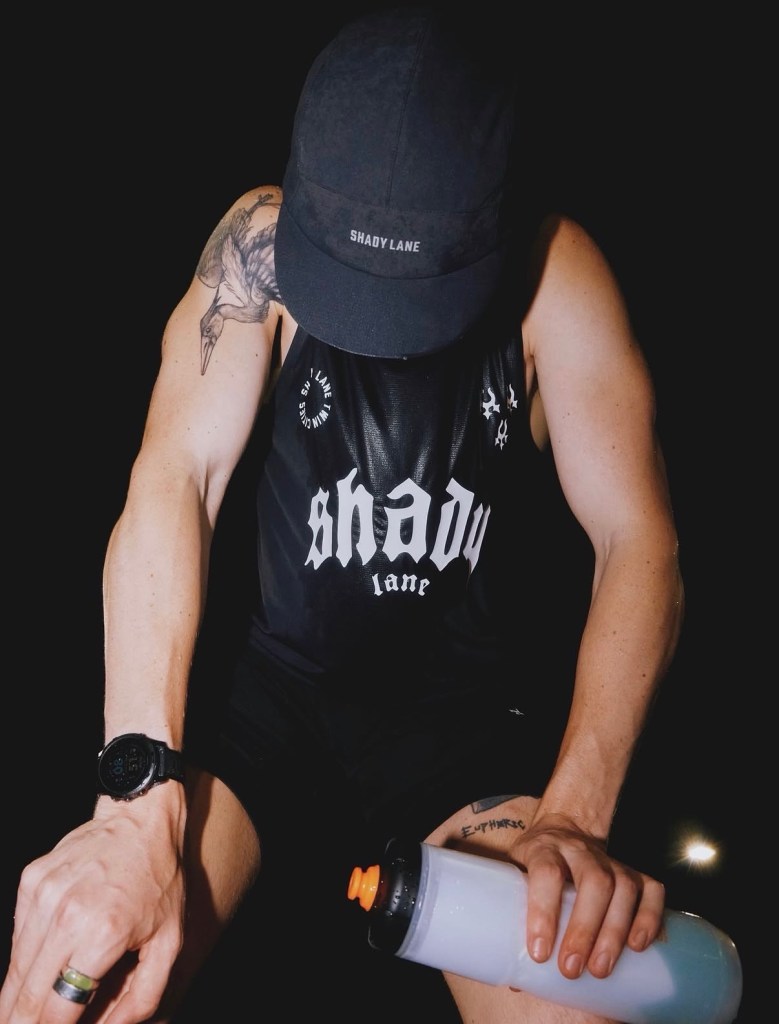
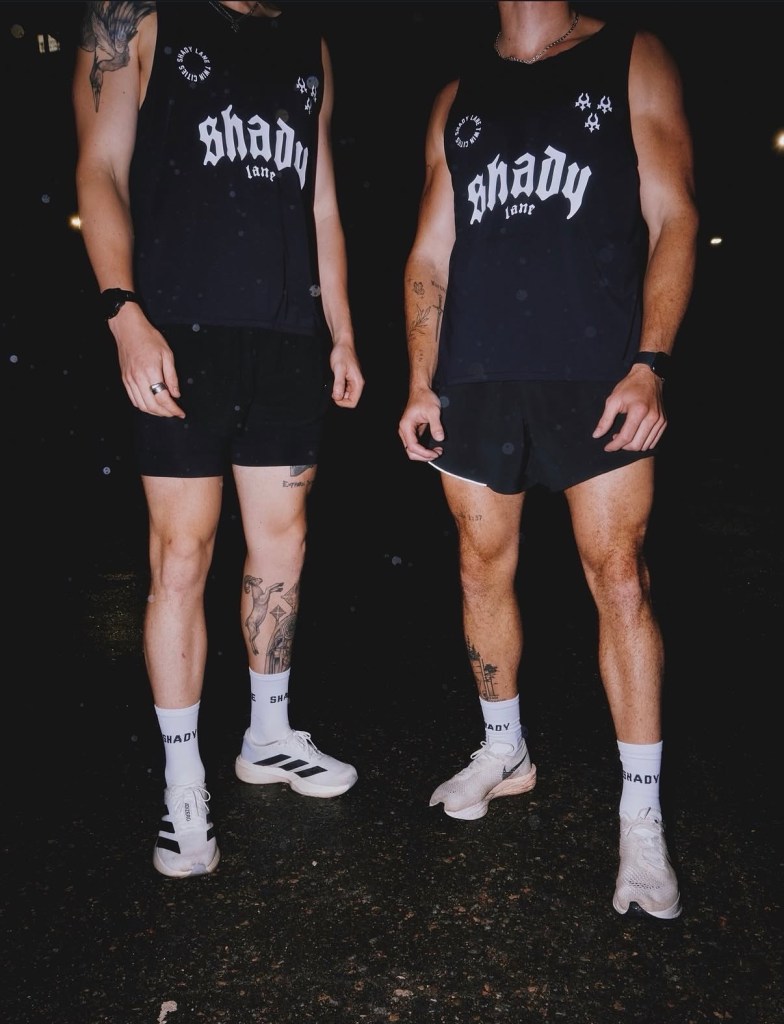
That approach is clear in the way Shady Lane has developed its product range. Performance sits at the center through race singlets, technical tanks, running shorts, half tights and headwear, but the brand never limits itself to traditional athletic design. Its Debut Shorts were created with a five inch silhouette, liner and multiple storage options, while MicroVent tanks focus on ventilation for warmer conditions. Race pieces are built for actual training and competition, yet they still carry the graphics, proportions and styling that make the brand immediately recognizable.
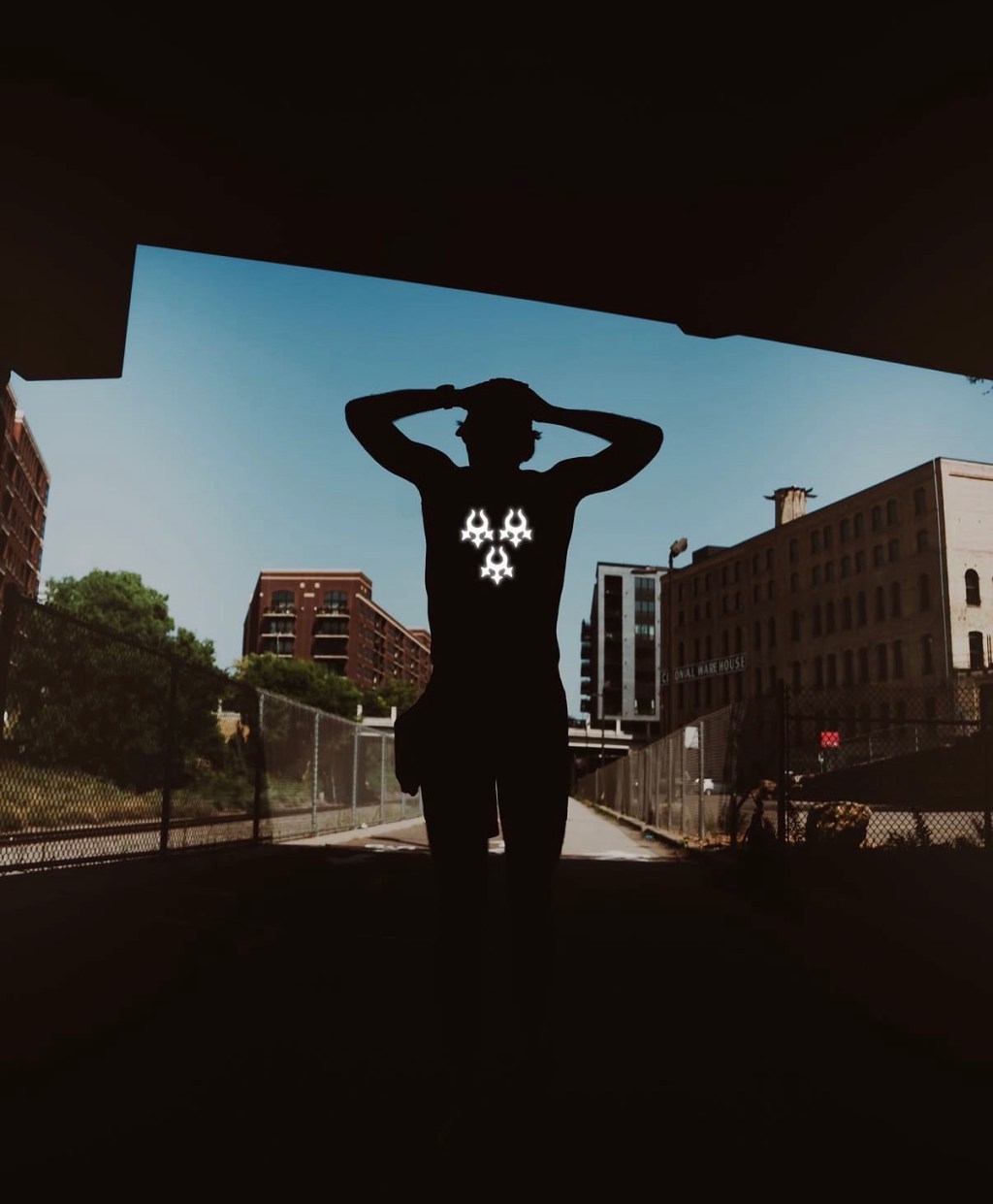
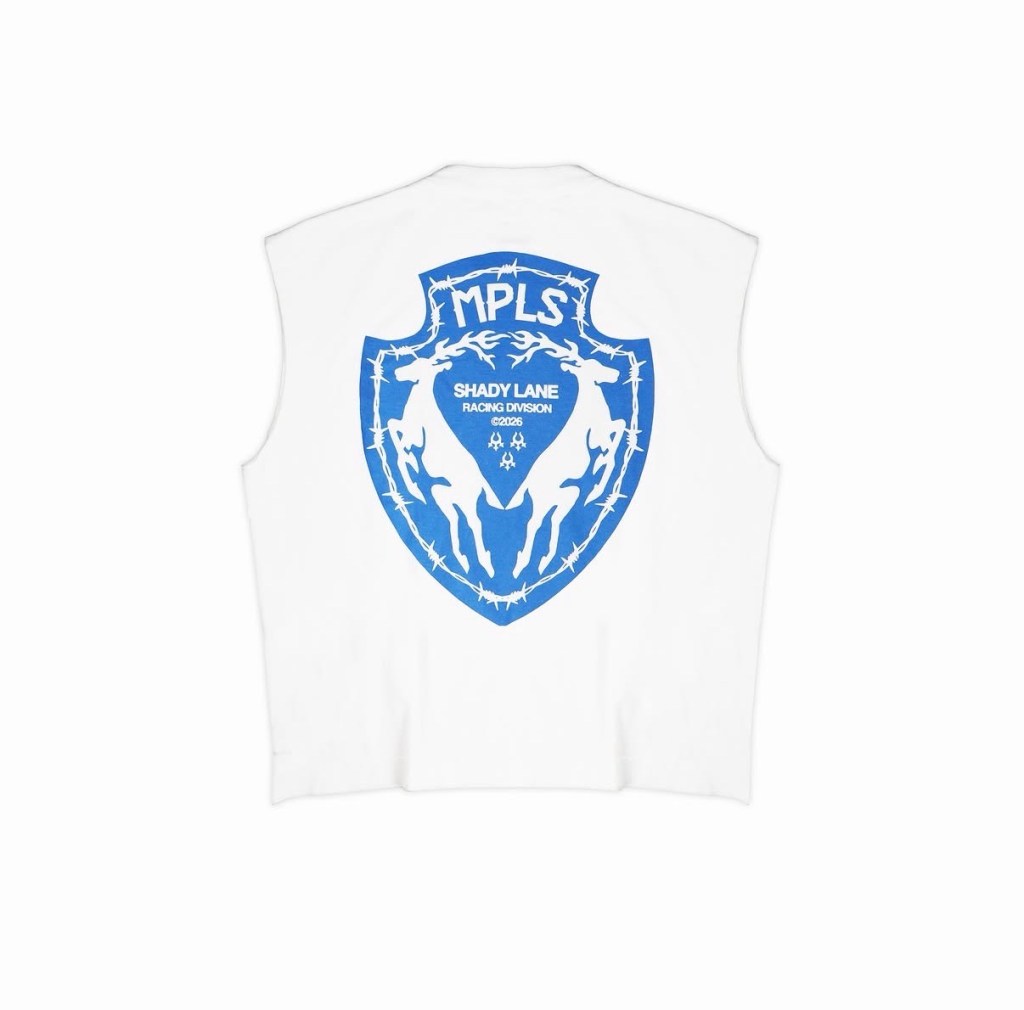
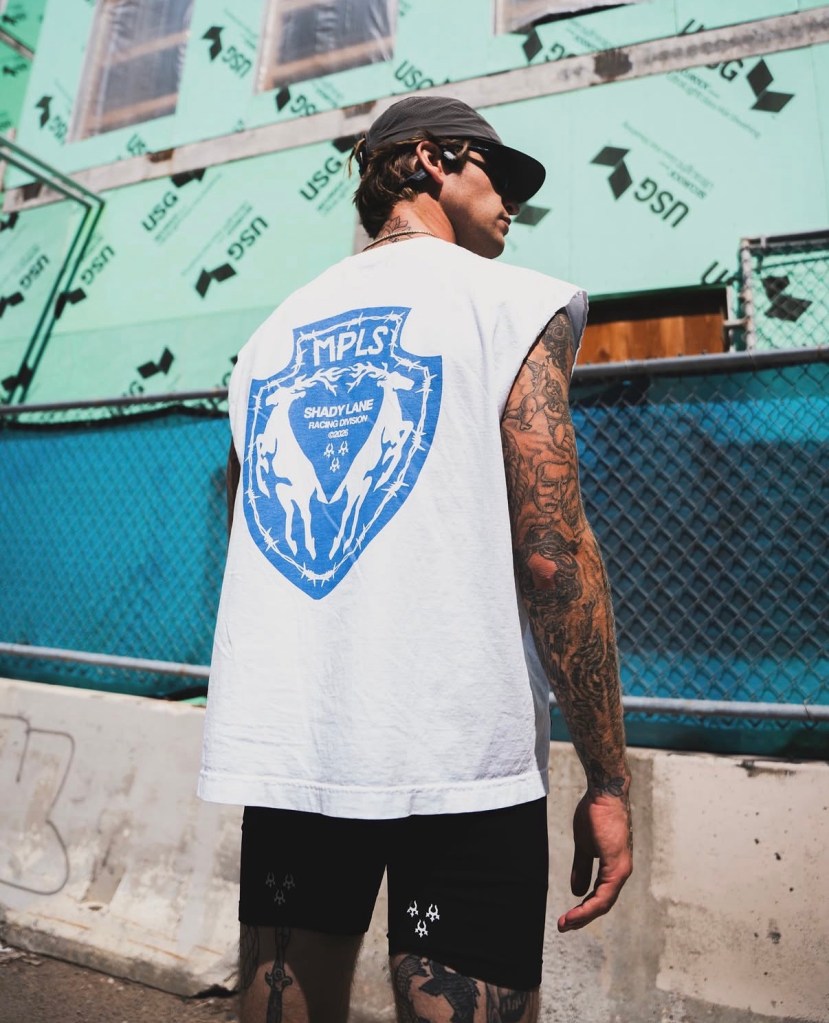
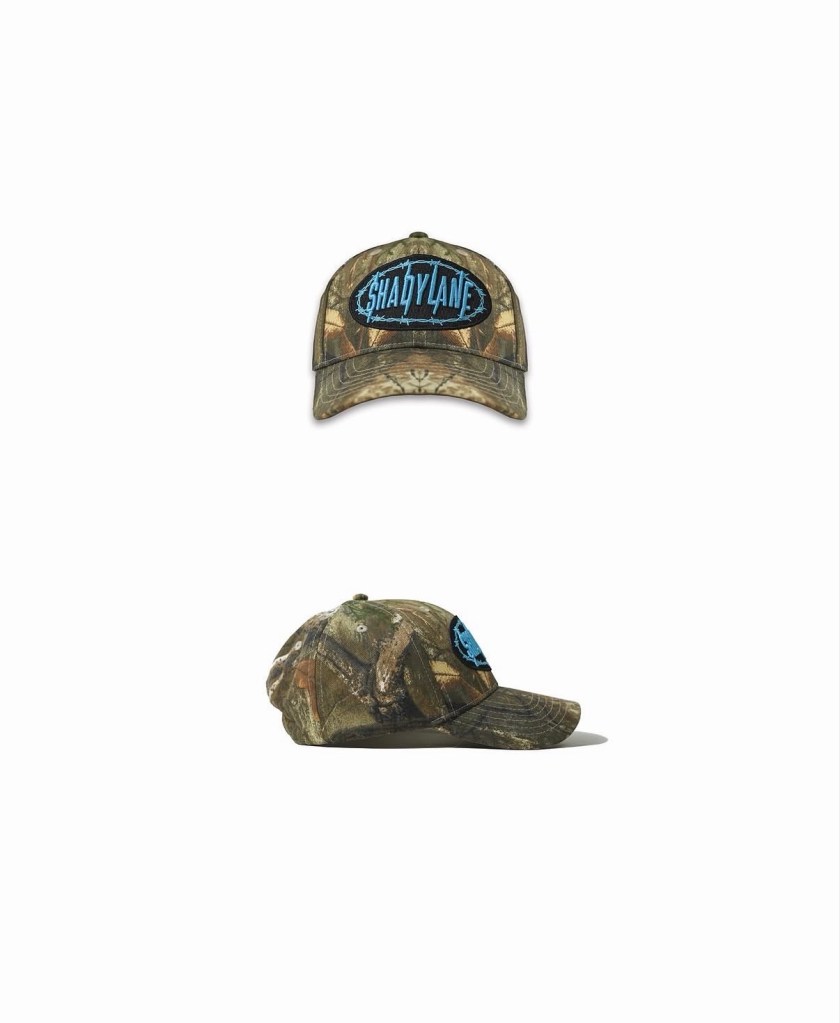
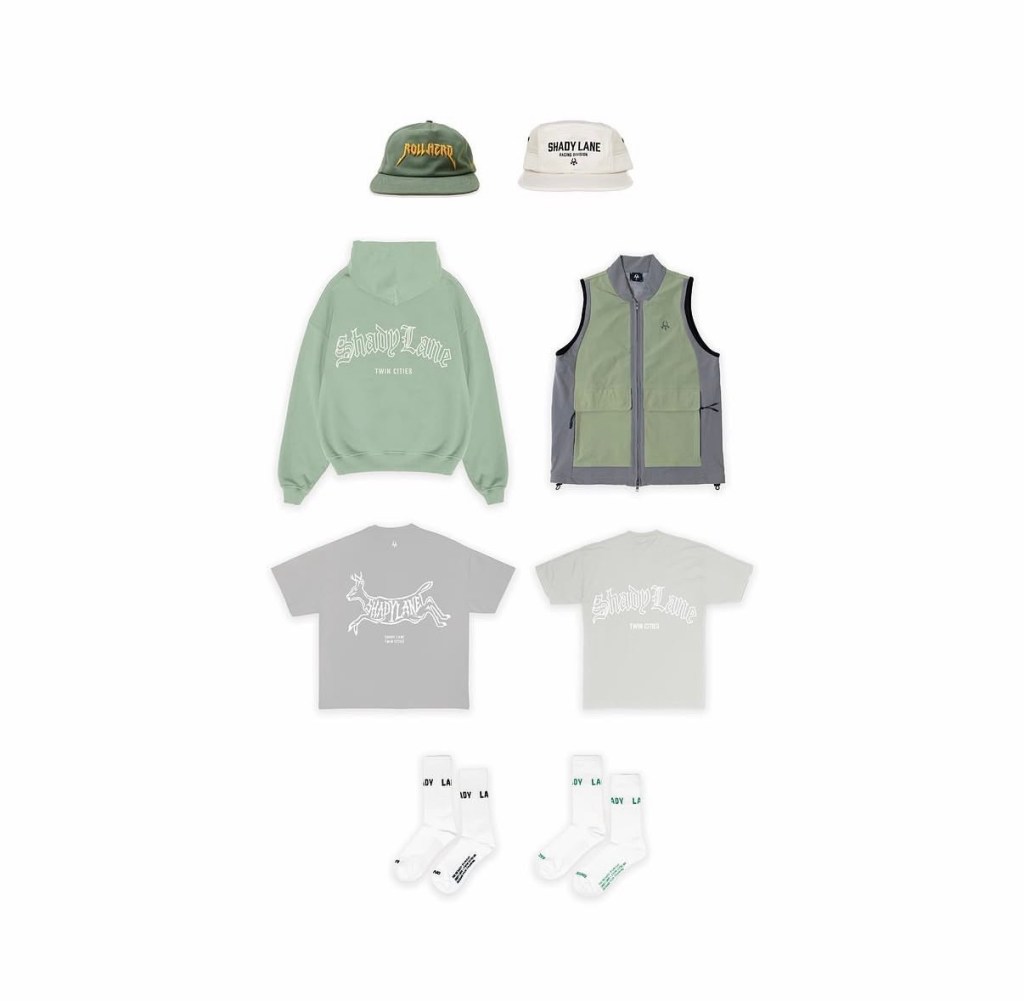
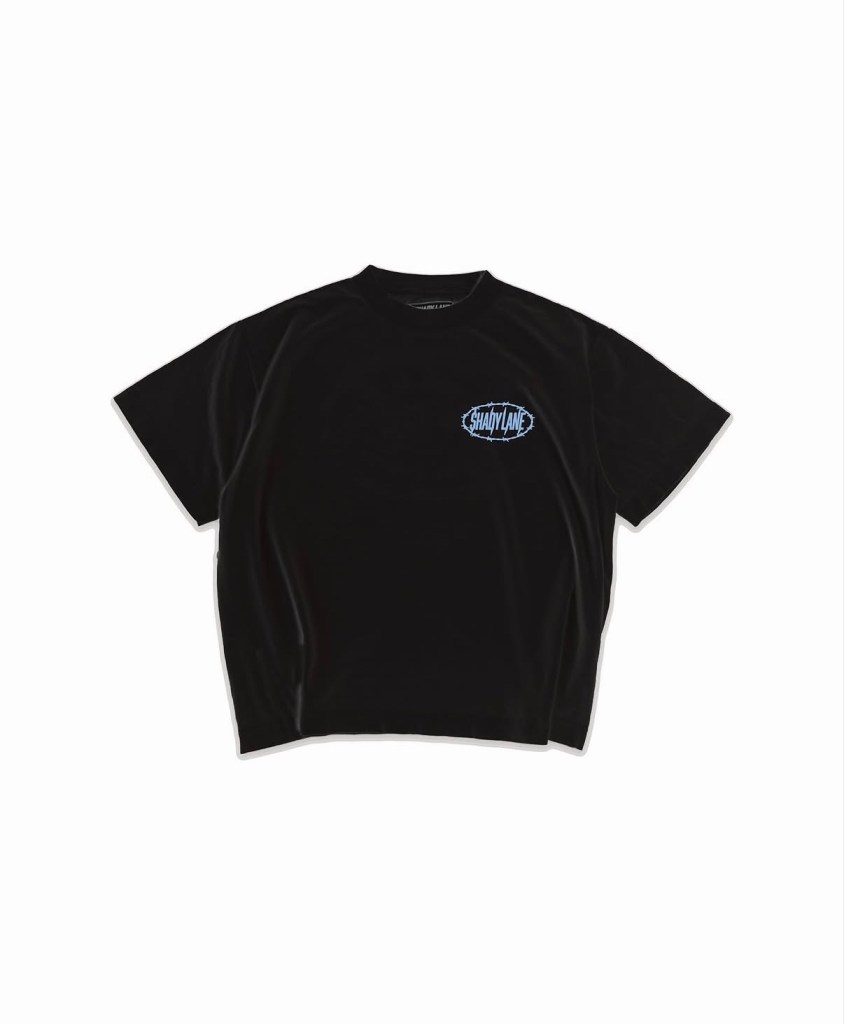
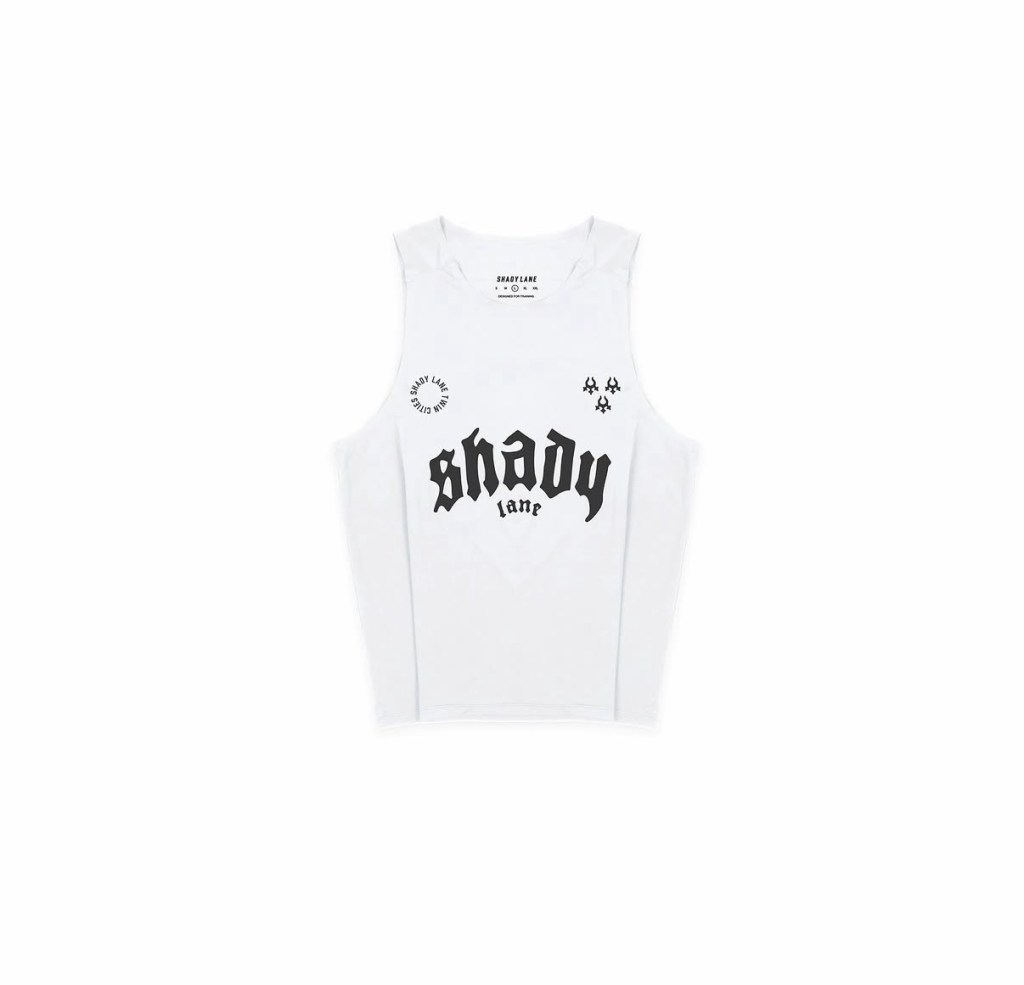
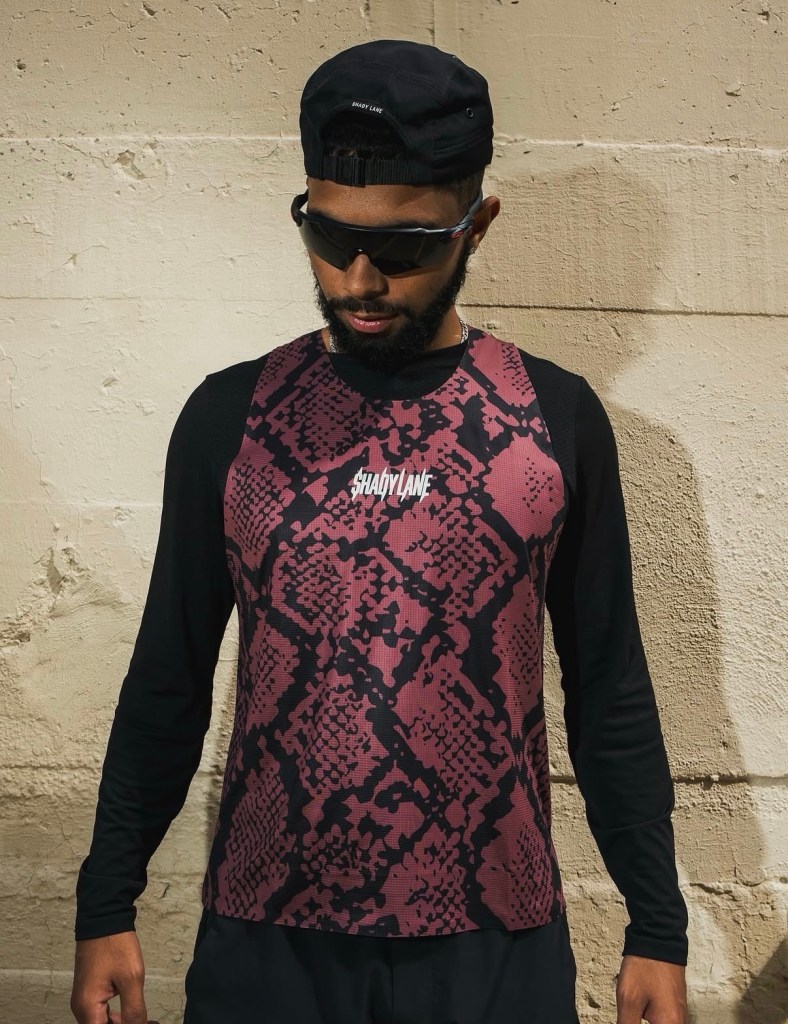
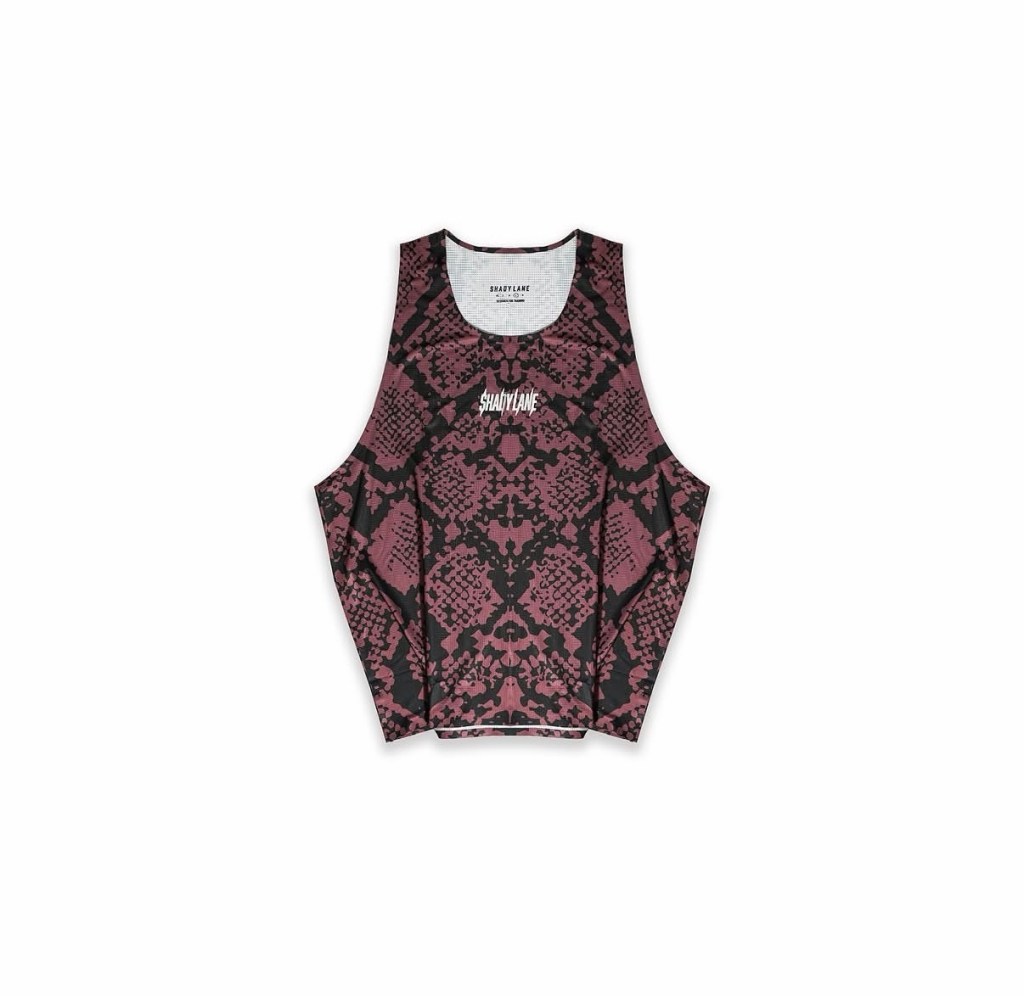
The visual side is where Shady Lane begins to separate itself. A snakeskin patterned race singlet brings a completely different energy to a piece that could have easily been reduced to simple technical apparel. Camouflage caps are finished with bright Shady Lane embroidery. Sleeveless cotton pieces use oversized MPLS graphics across the back, while other tanks lean into gothic lettering and repeated symbols more commonly associated with independent clothing labels than conventional running companies. Even when the pieces are minimal, there is still enough detail to make them feel connected to the wider Shady Lane world.
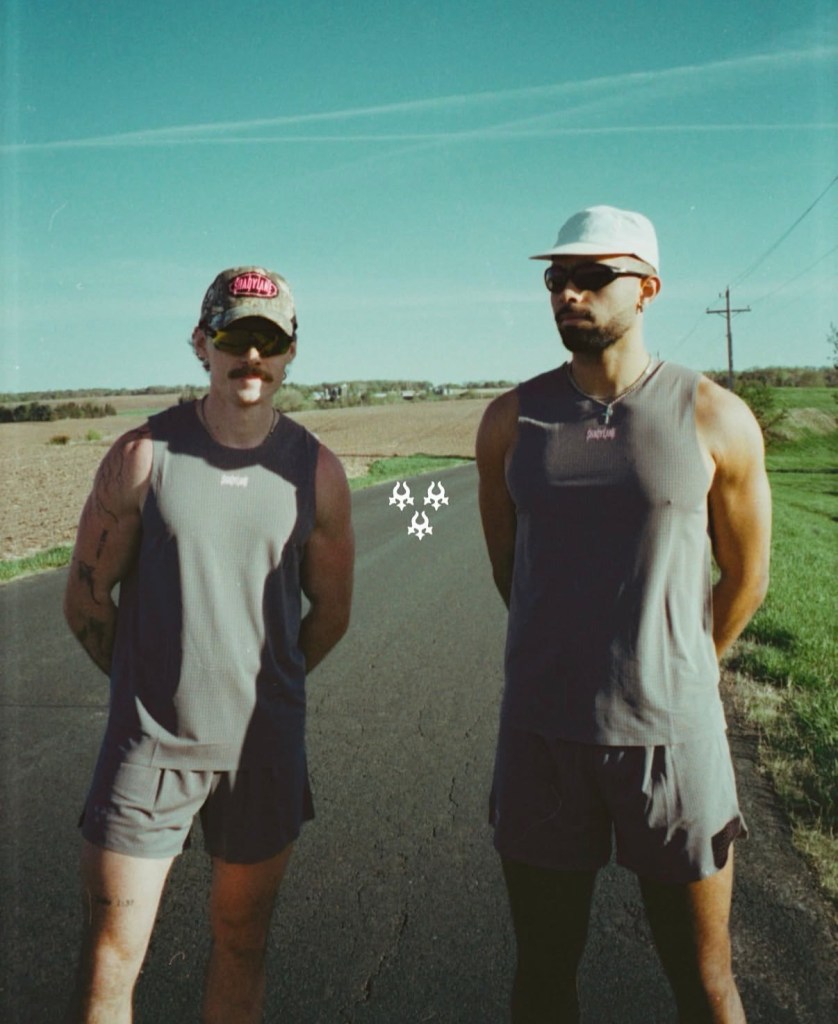
That world moves easily between performance and everyday clothing. Technical tanks are layered over long sleeves. Running shorts are styled with graphic tops and casual headwear. Cotton tees and sleeveless pieces sit next to race equipment without feeling disconnected from it. Shady Lane understands that the person running ten miles in the morning does not suddenly lose their interest in clothes once the workout is over. The wardrobe continues beyond training, allowing running gear to exist alongside the rest of someone’s personal style instead of being treated as a separate uniform.
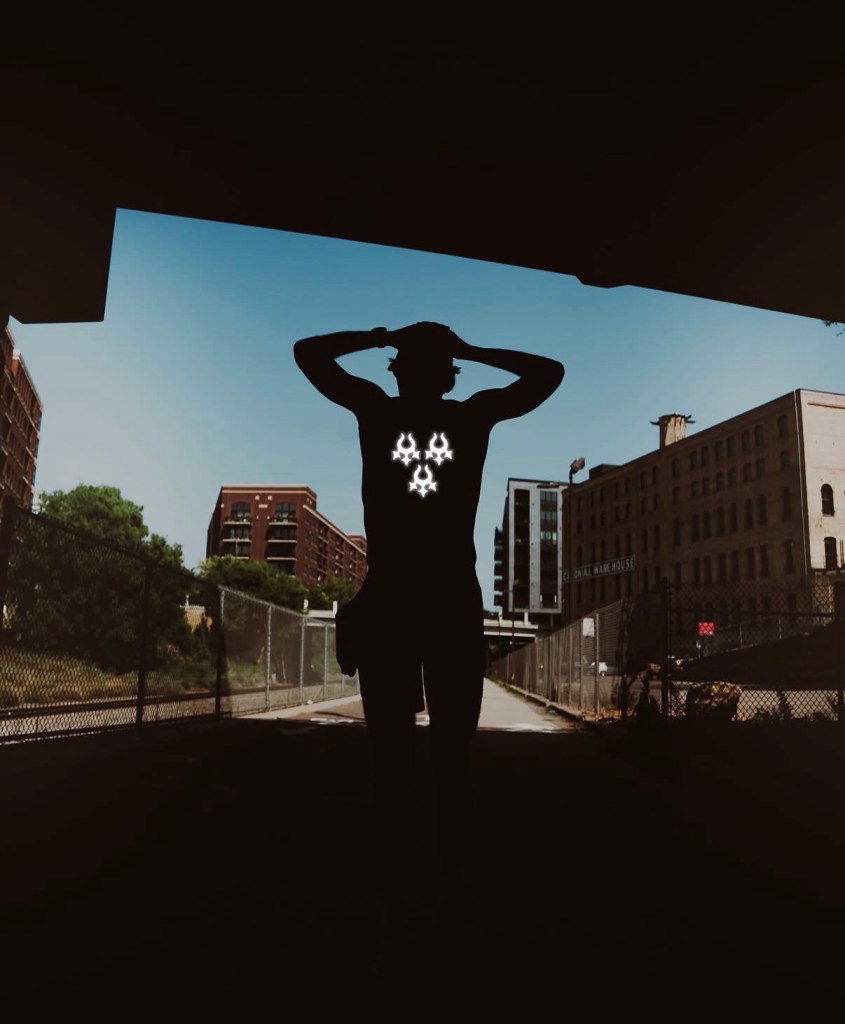
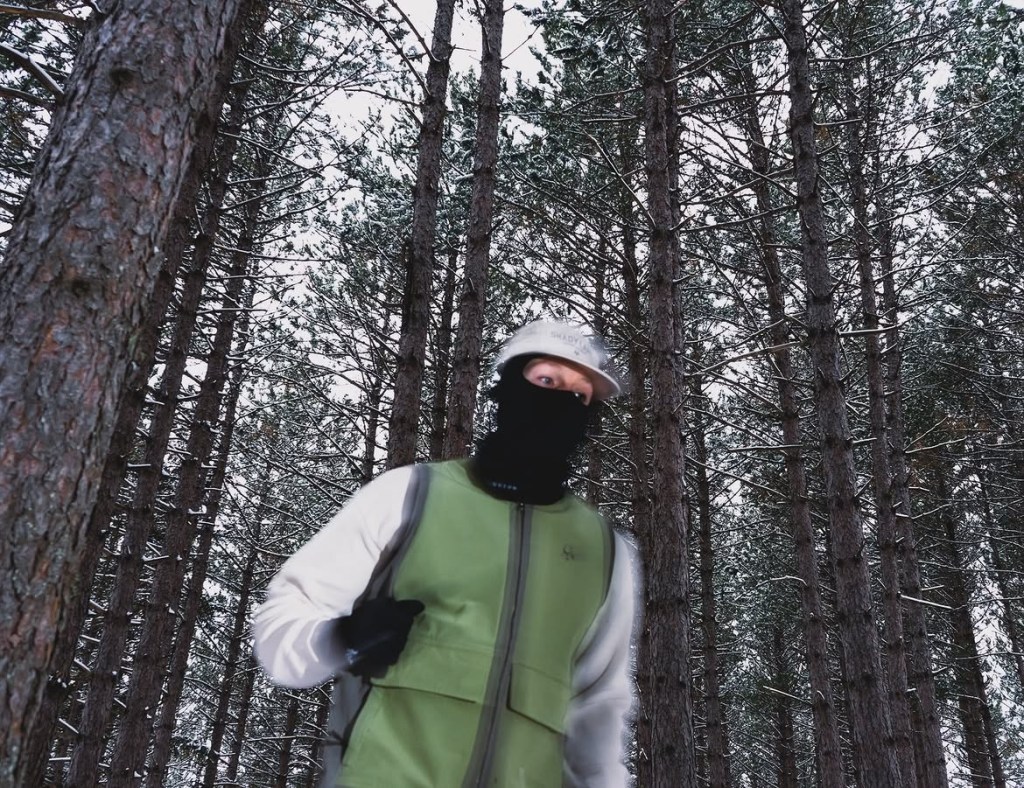
Minnesota plays an equally important role in shaping that identity. The brand regularly places its clothing inside the environments surrounding it, from rural roads and Minneapolis streets to rocky terrain, wooded trails and colder northern conditions. Those locations give the imagery a sense of place that is often missing from performance brands. Rather than creating an anonymous version of running culture that could exist anywhere, Shady Lane allows the North to remain visible throughout the project.
That relationship with the environment also creates a natural reason for the product to keep changing. Minnesota demands completely different clothing depending on the season. Summer calls for ventilation and lighter fabrics, while winter brings layering, protection and heavier materials into the conversation. The climate becomes part of the design process, turning Shady Lane’s surroundings into a testing ground for how different pieces need to perform.
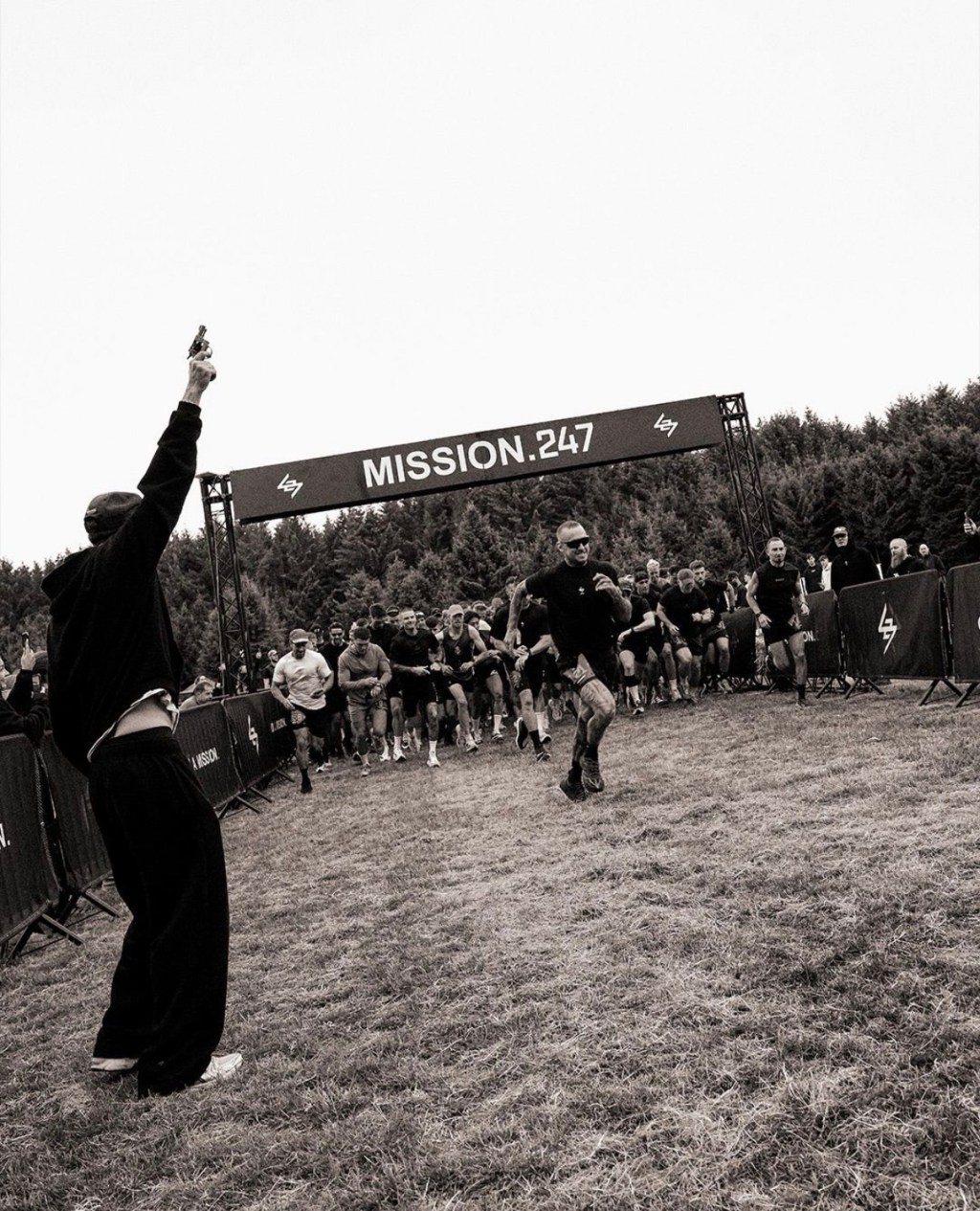
The photography carries the same thinking. Instead of presenting runners only through race times and training statistics, Shady Lane treats them as part of a larger visual culture. They appear on empty roads, outside construction sites, moving through forests and climbing across rock formations. Sunglasses, tattoos, graphic pieces and everyday styling become just as present as the technical clothing. The result feels less like traditional sports advertising and more like documentation of the people who actually occupy the space between running, fashion and outdoor culture.
That balance is what gives Shady Lane its identity. Performance matters, but it is never the only story. The brand is taking the realities of endurance and filtering them through Minnesota, engineering, graphic design and personal style, creating clothing that feels connected to both the run and everything surrounding it. Shady Lane is not simply dressing runners for movement. It is building a visual language around what running in the North can look like.
Explore the world of Shady Lane at https://www.shadylaneclo.com