
Satisfy is not just a running brand. It is one of the clearest examples of how endurance sports became a culture product.
Founded in Paris in 2015 by Brice Partouche, Satisfy came from outside the traditional running industry. Partouche had already built April77, a cult denim label tied to punk, rock, skate, and indie fashion. When he started running seriously, he liked the feeling but hated the culture around the clothes. In an early interview, he said running felt meditative and almost like skateboarding, but the brands around it did not speak to that experience.
Partouche’s background explains the whole brand. He grew up in the Alps around snowboarding and skateboarding, went to flea markets with his father, and learned clothing through vintage fabric, denim, and subculture. His father had a denim brand in the 1980s, which shaped his understanding of design before Satisfy ever existed.
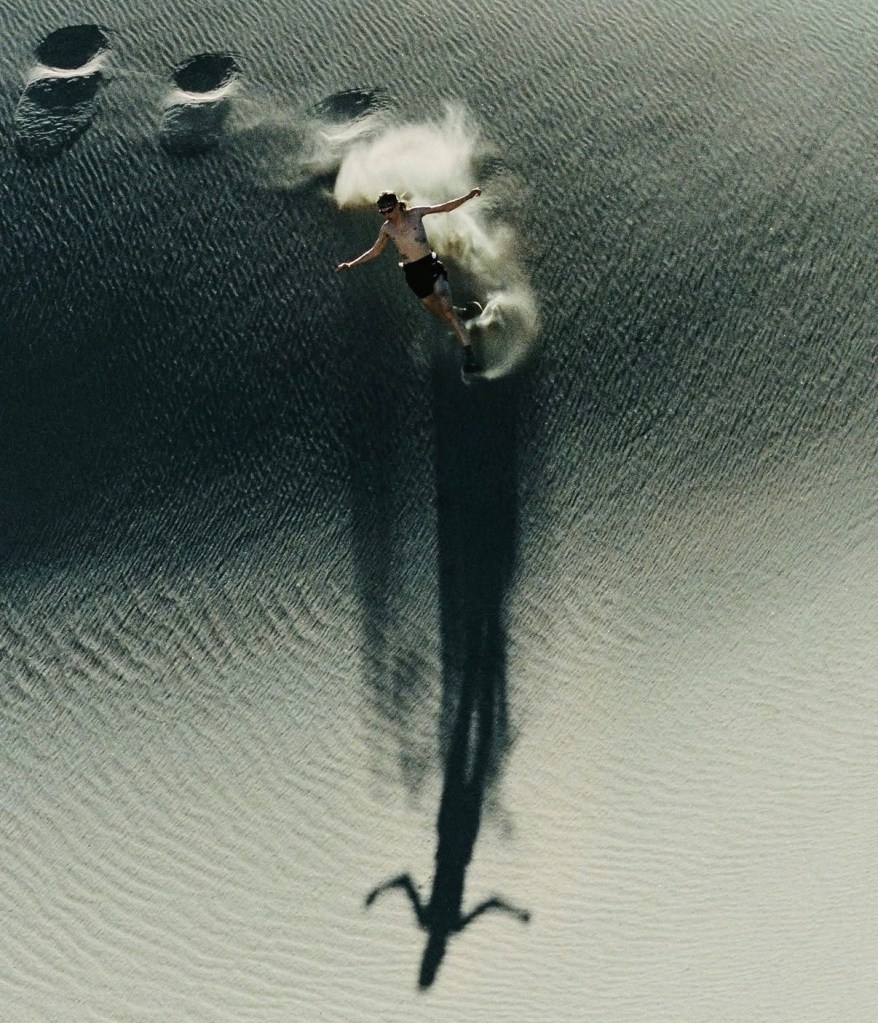
The core idea behind Satisfy is “unlock the High.” The brand describes its work as technical equipment made to reduce distractions so runners can reach that feeling. That phrase matters because Satisfy does not sell running as punishment, discipline, or data. It sells running as a state of mind.
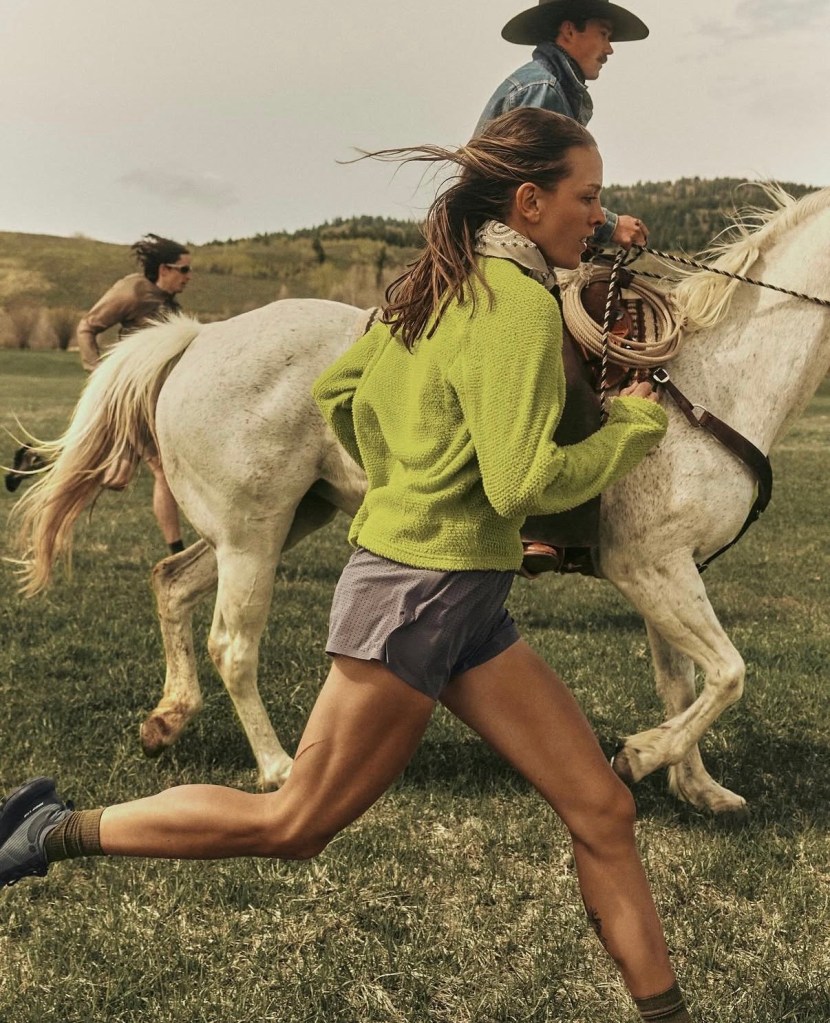
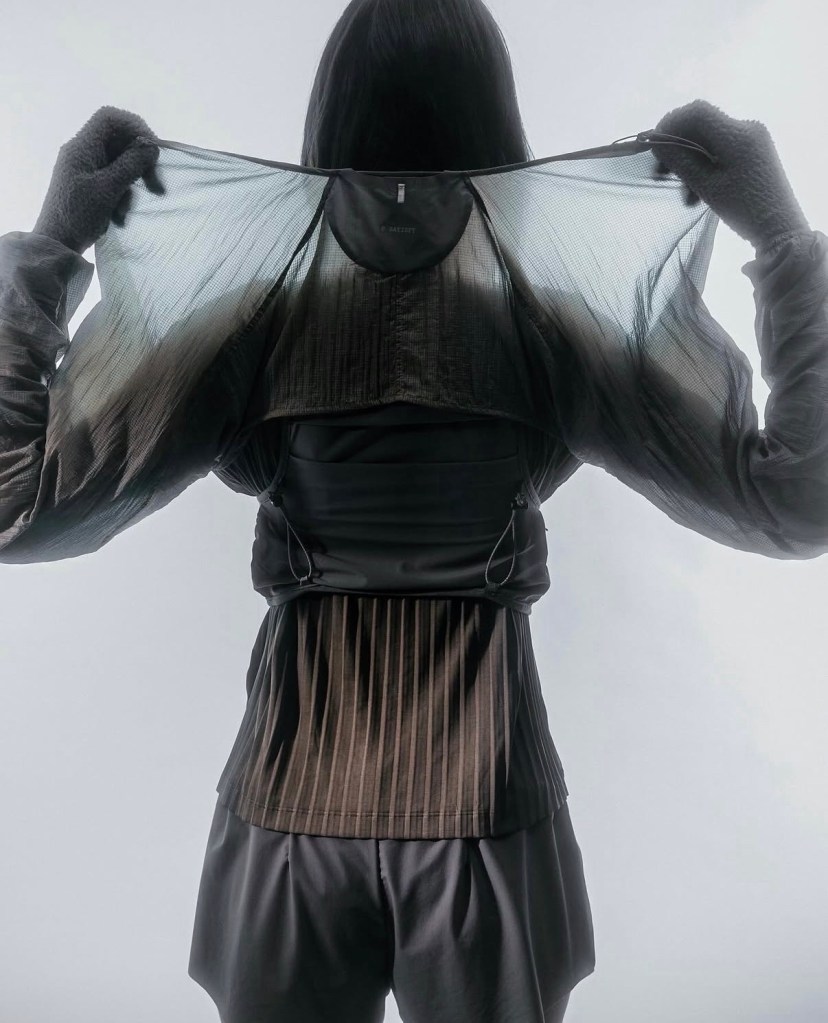
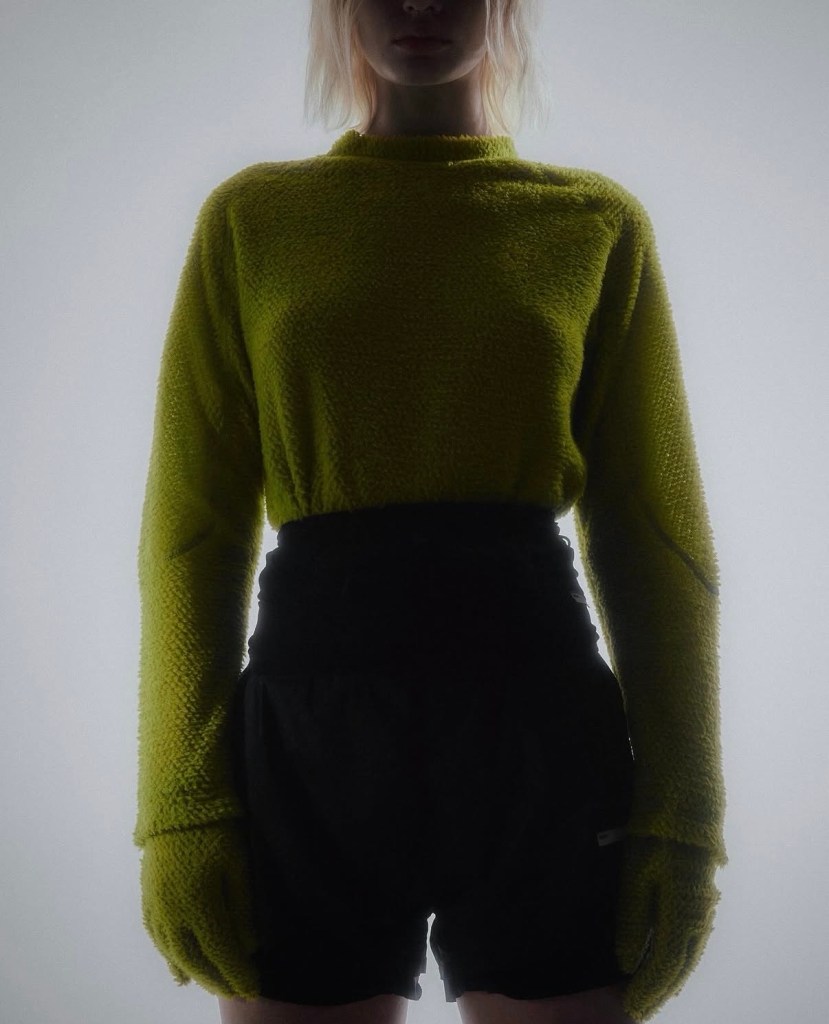
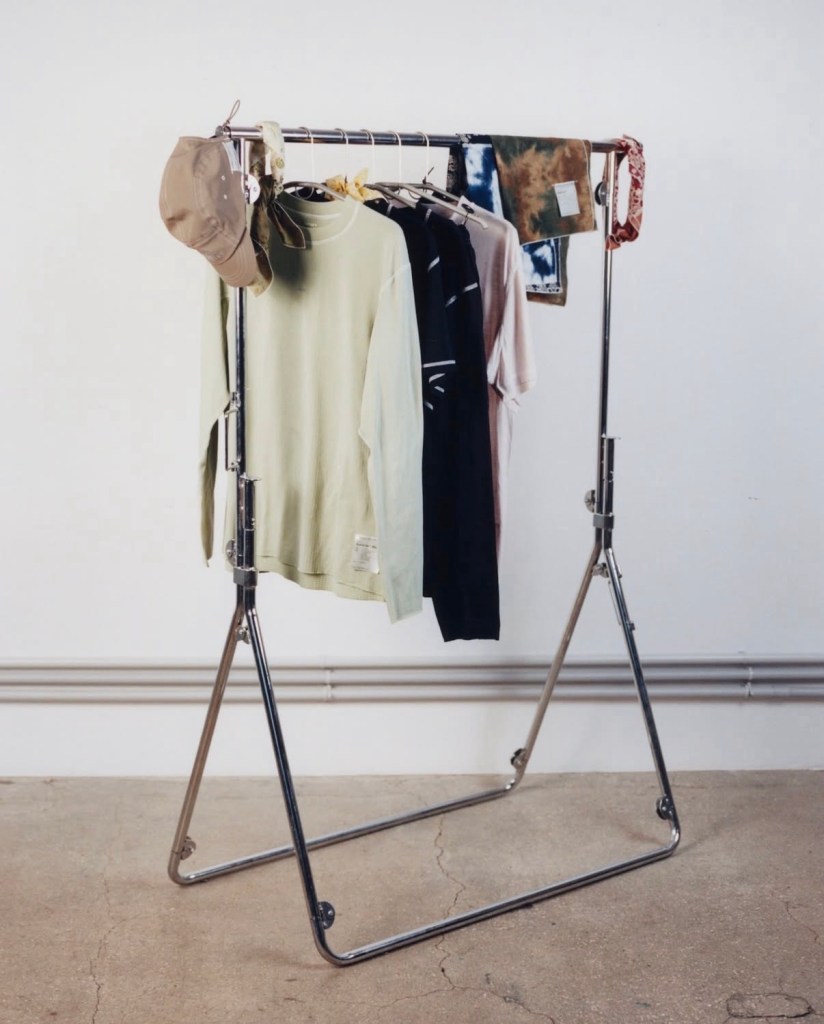
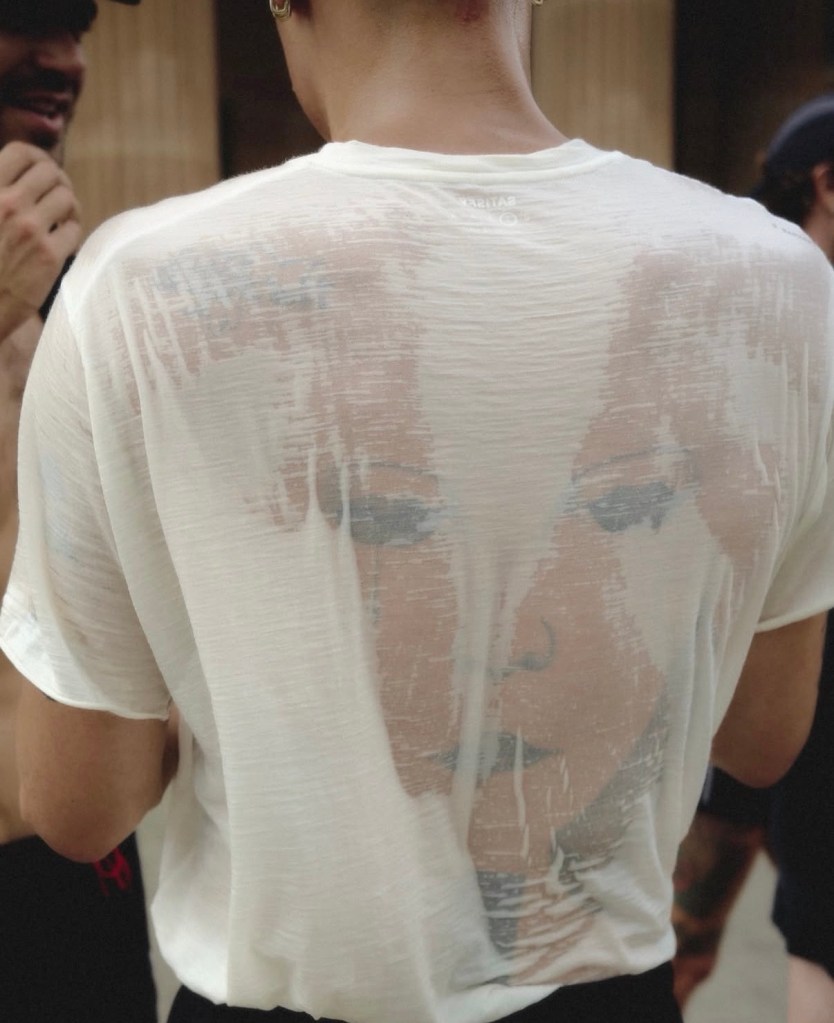
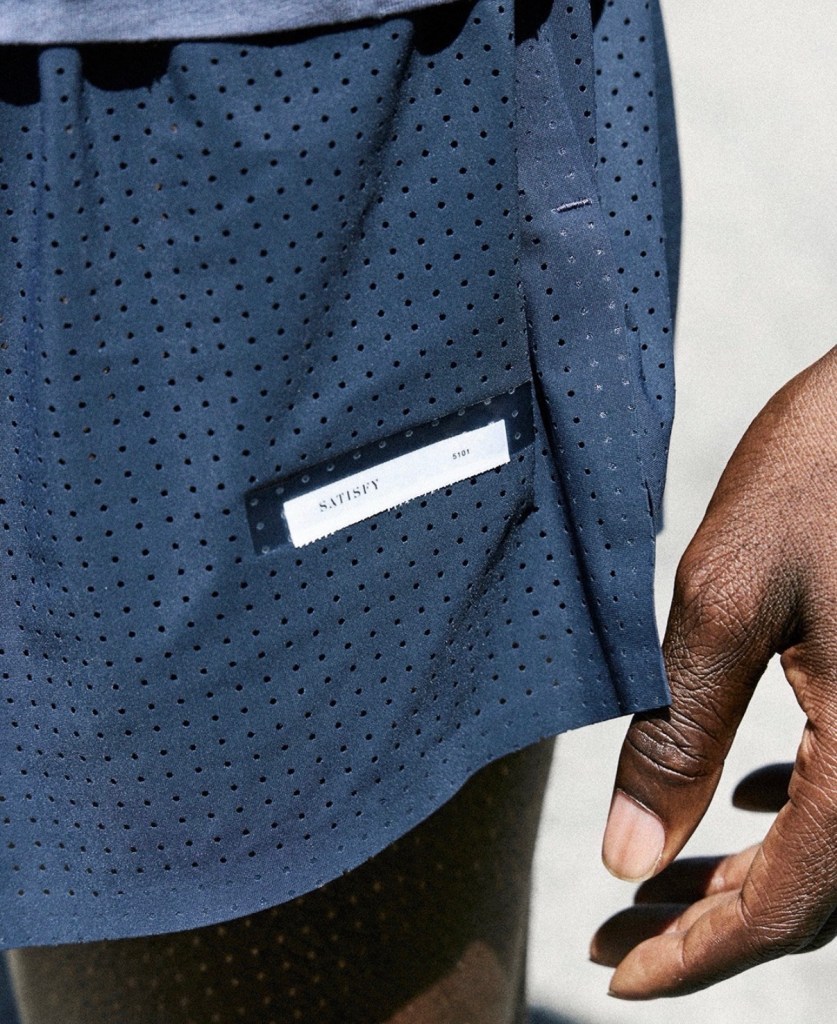
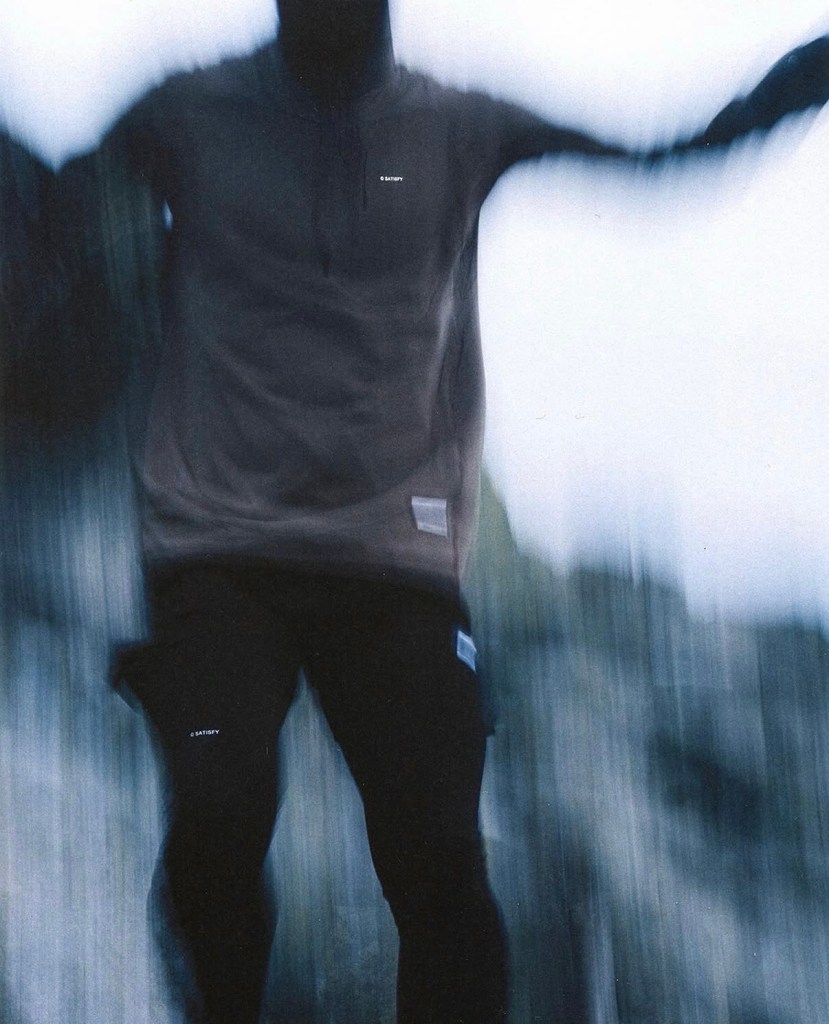
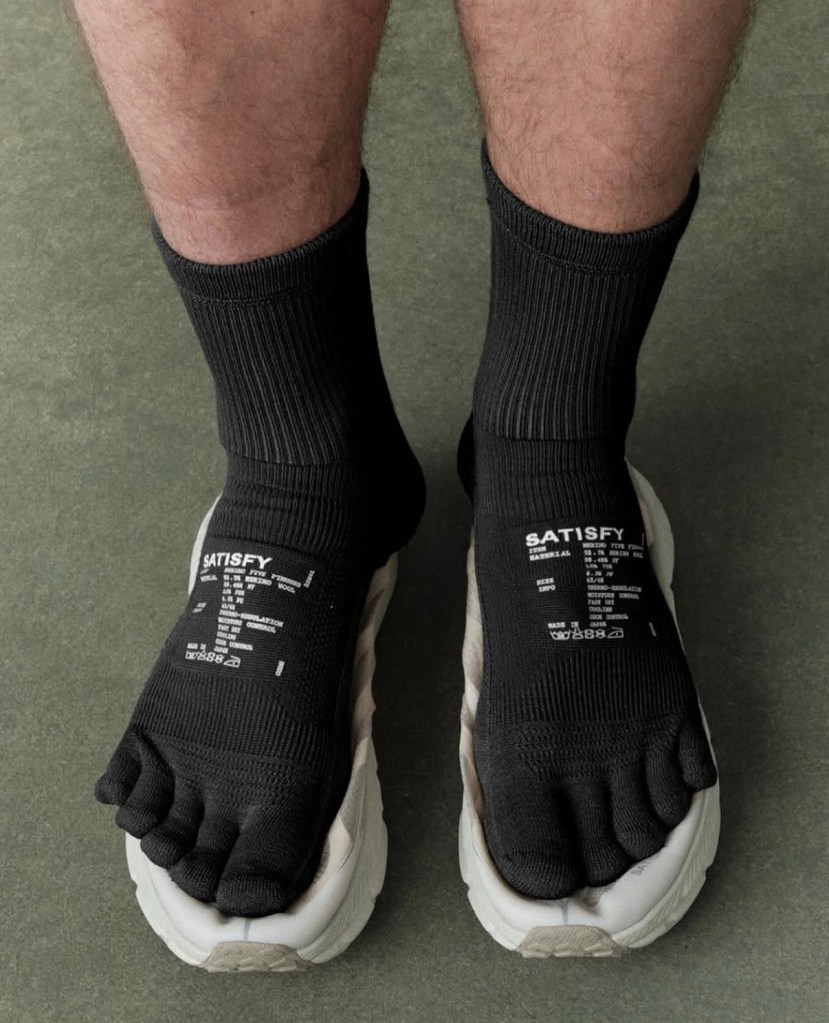
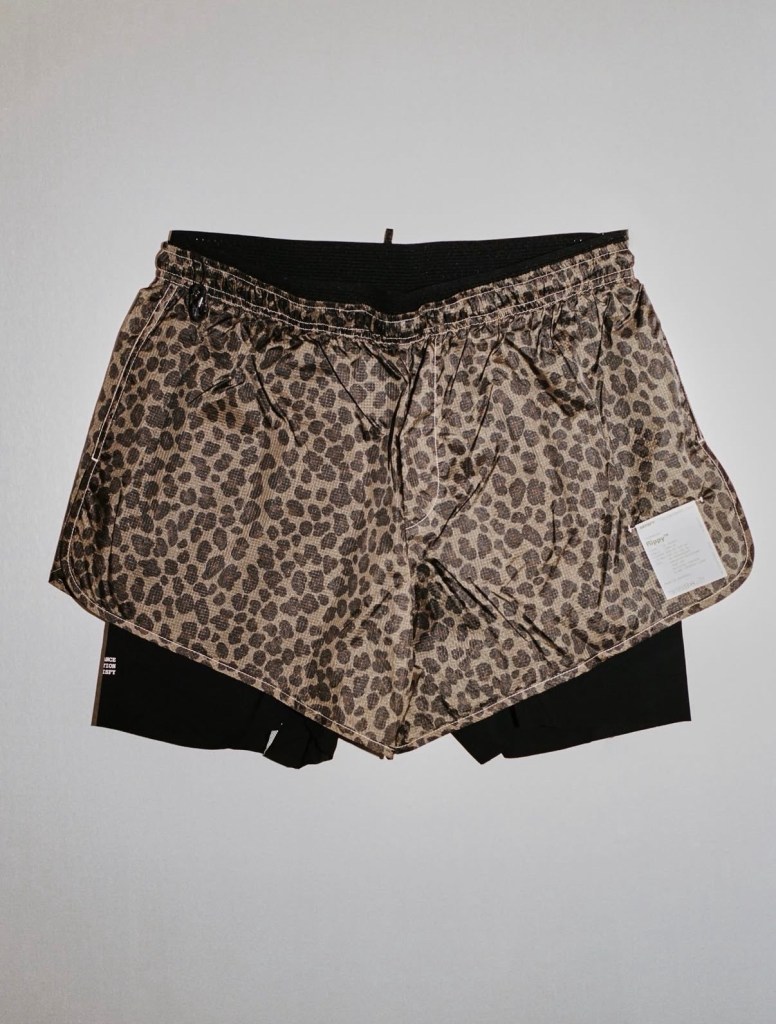
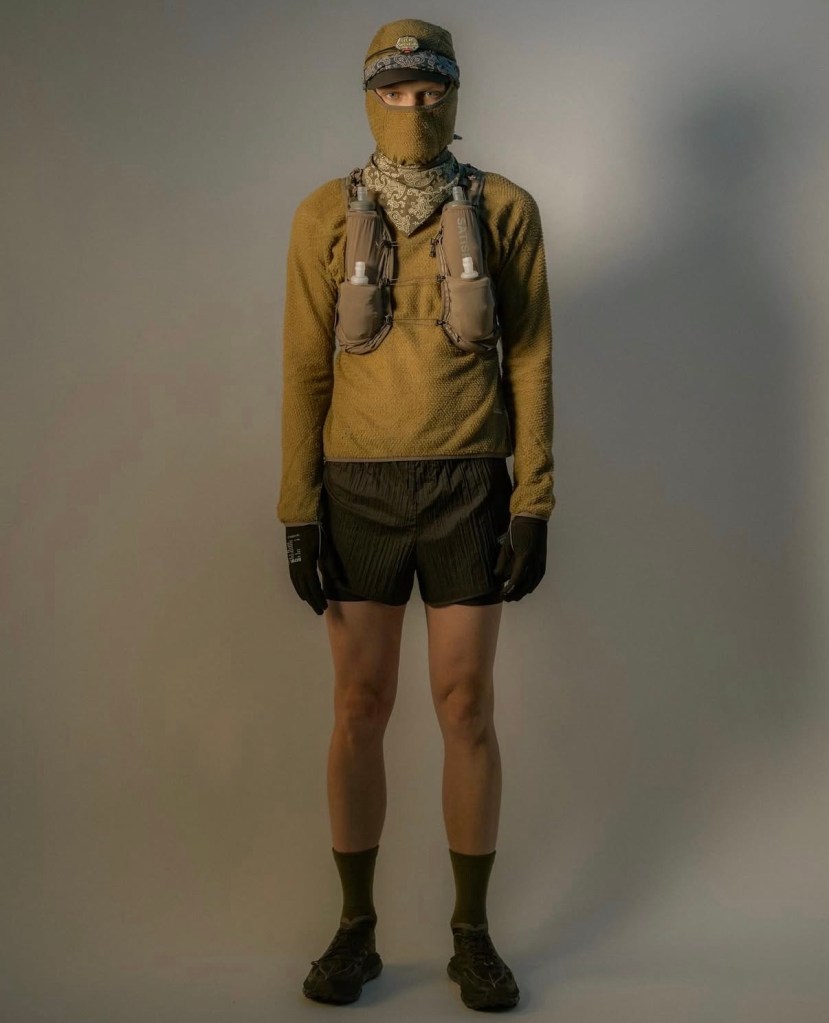
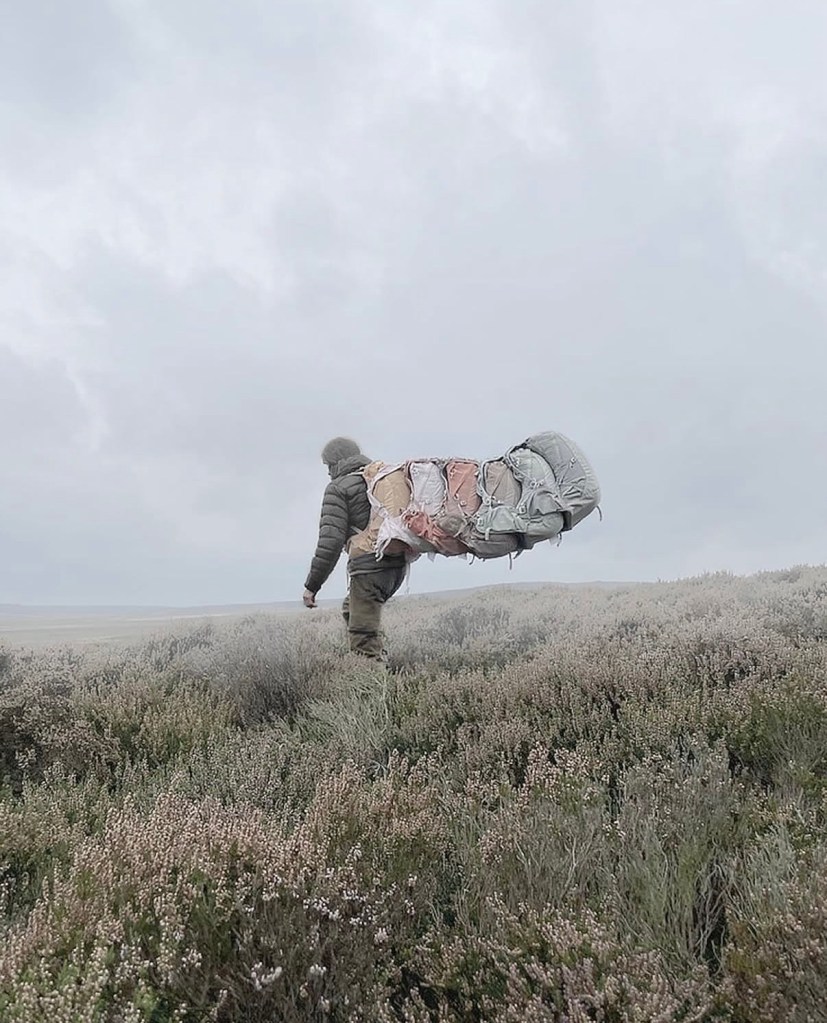
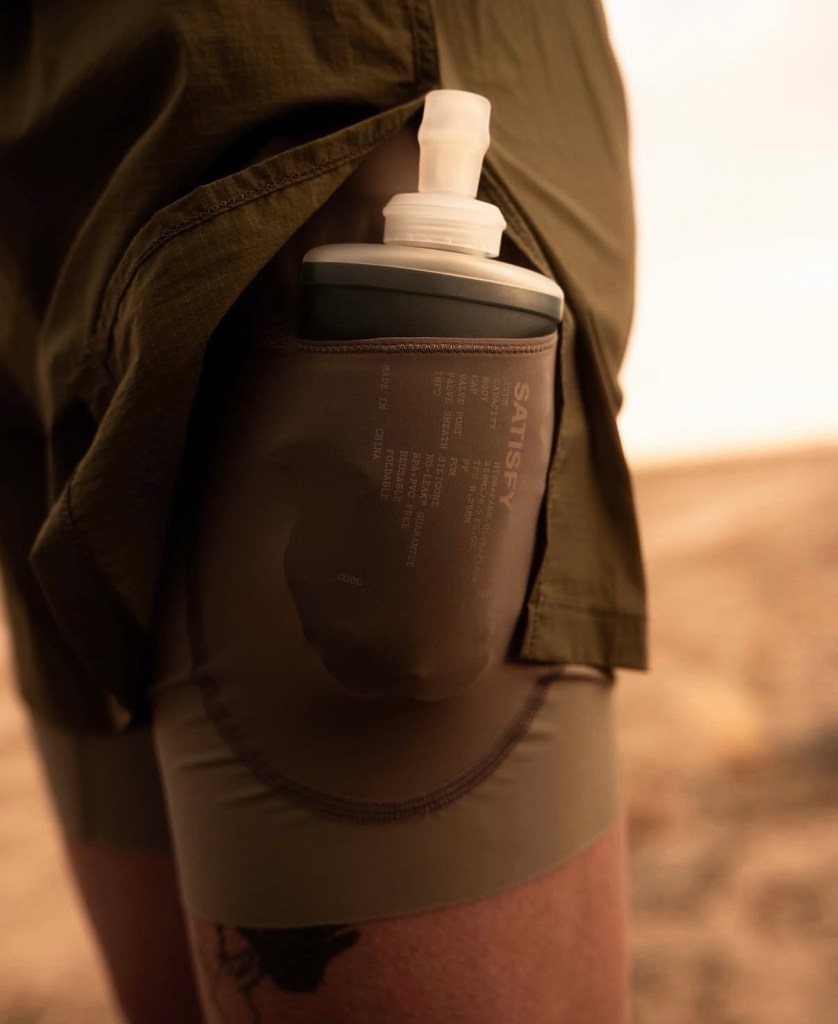
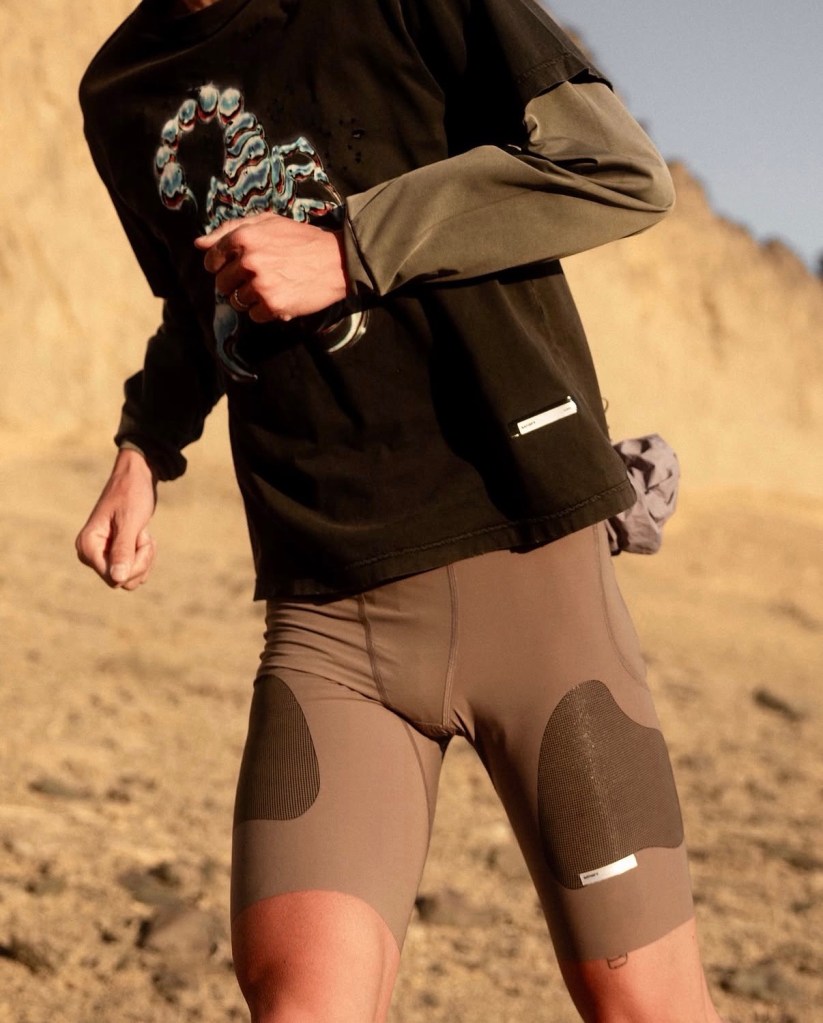
Its design language is why the brand broke through. Satisfy took the seriousness of performance apparel and filtered it through punk, outdoor utility, vintage military references, trail running, music, and fashion. Where major running brands often looked corporate, Satisfy looked personal. Ripped details, washed fabrics, raw edges, mineral colors, technical vests, caps, lightweight shorts, merino layers, and strange little functional choices made the clothes feel like gear with a soul.
The brand built its identity around proprietary and named fabrics such as MothTech, AuraLite, TechSilk, CloudMerino, CoffeeThermal, Justice, PeaceShell, Pertex, SoftCell, and Rippy. Those names became part of the world-building. It made product feel less like “shirt, short, jacket” and more like an archive of tools.
Satisfy also understood scarcity early. The brand grew through limited drops, high pricing, exact product storytelling, and a strong visual universe. It did not chase the average runner first. It captured the runner who cared about taste, music, photography, objects, fit, fabric, and identity. That is why the brand could sit beside HOKA, Oakley, Our Legacy, Crocs, and other collaborators without feeling forced.
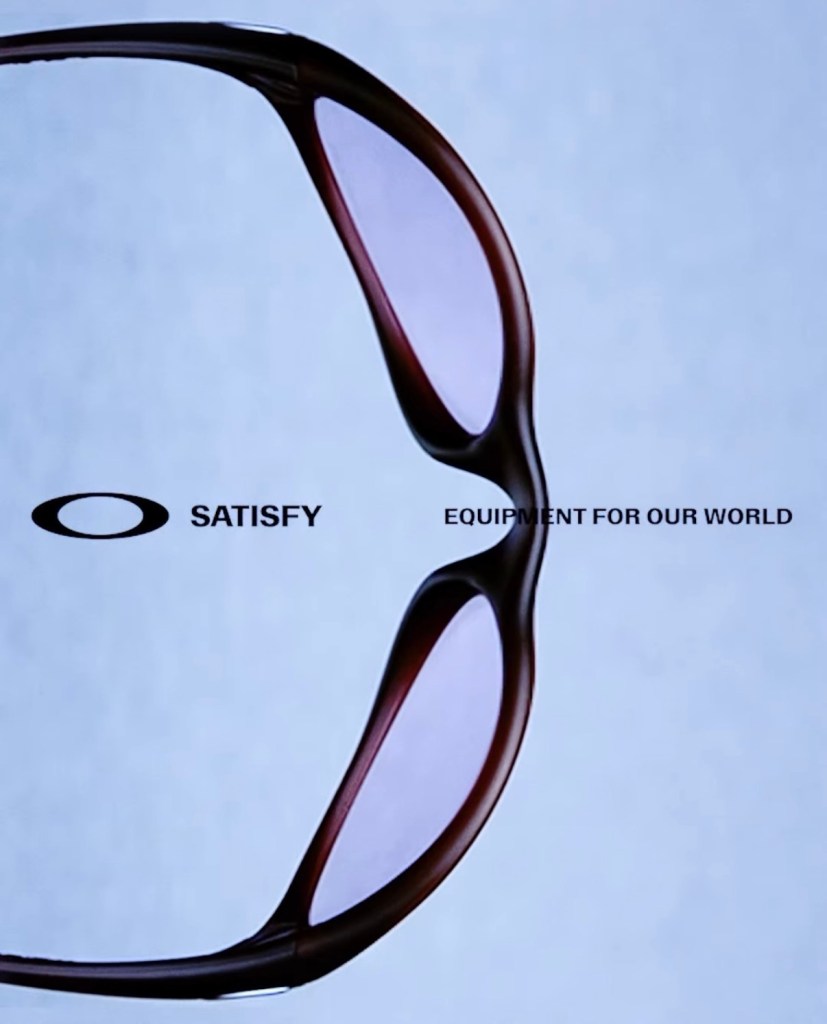
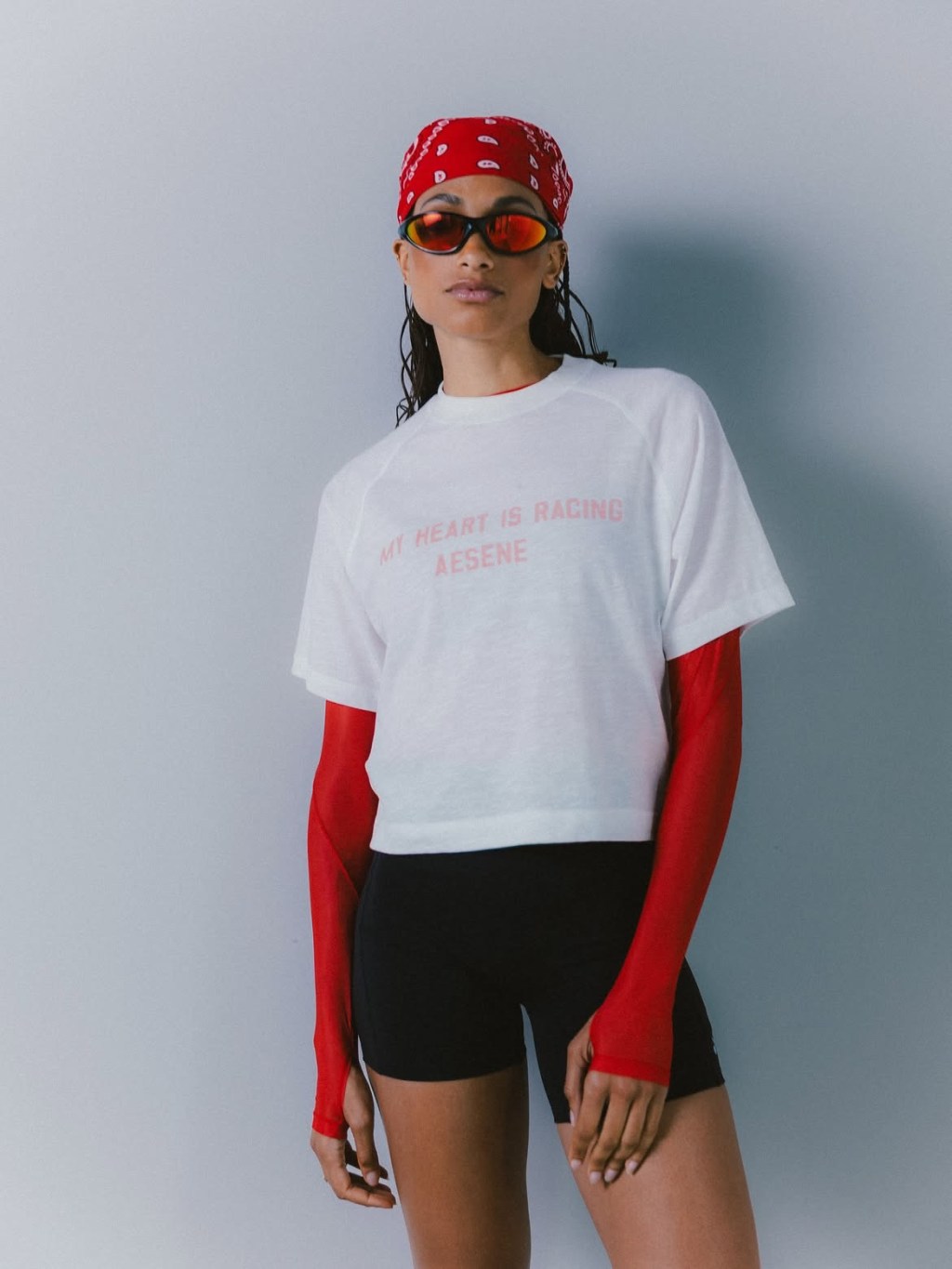
Its collaborations helped define the modern “fashion running” lane. The HOKA projects gave Satisfy footwear credibility before it had its own shoe. Oakley placed it inside performance eyewear. Our Legacy connected it to a more fashion-literate audience. Crocs pushed the recovery and lifestyle angle. Sonic Youth connected the brand directly to the music references that shaped Partouche’s creative point of view.
The next major chapter is footwear. Satisfy introduced TheROCKER as its first trail shoe, built for ultra-distance movement across mixed terrain, from concrete to mud, desert trails, and wet forest floor. The shoe uses details like Euforia, Vibram TuneLugs, and Rippy 66 Monomesh, showing that the brand wants to move from apparel cult favorite into full performance ecosystem.
The business has also moved into a new phase. Satisfy raised about €11 million in Series B funding, after an earlier €2.5 million round, and passed €10 million in revenue in 2024. Antoine Auvinet joined as CEO at the end of 2024, with the brand reportedly targeting much larger scale, including a long-term push toward €100 million revenue.
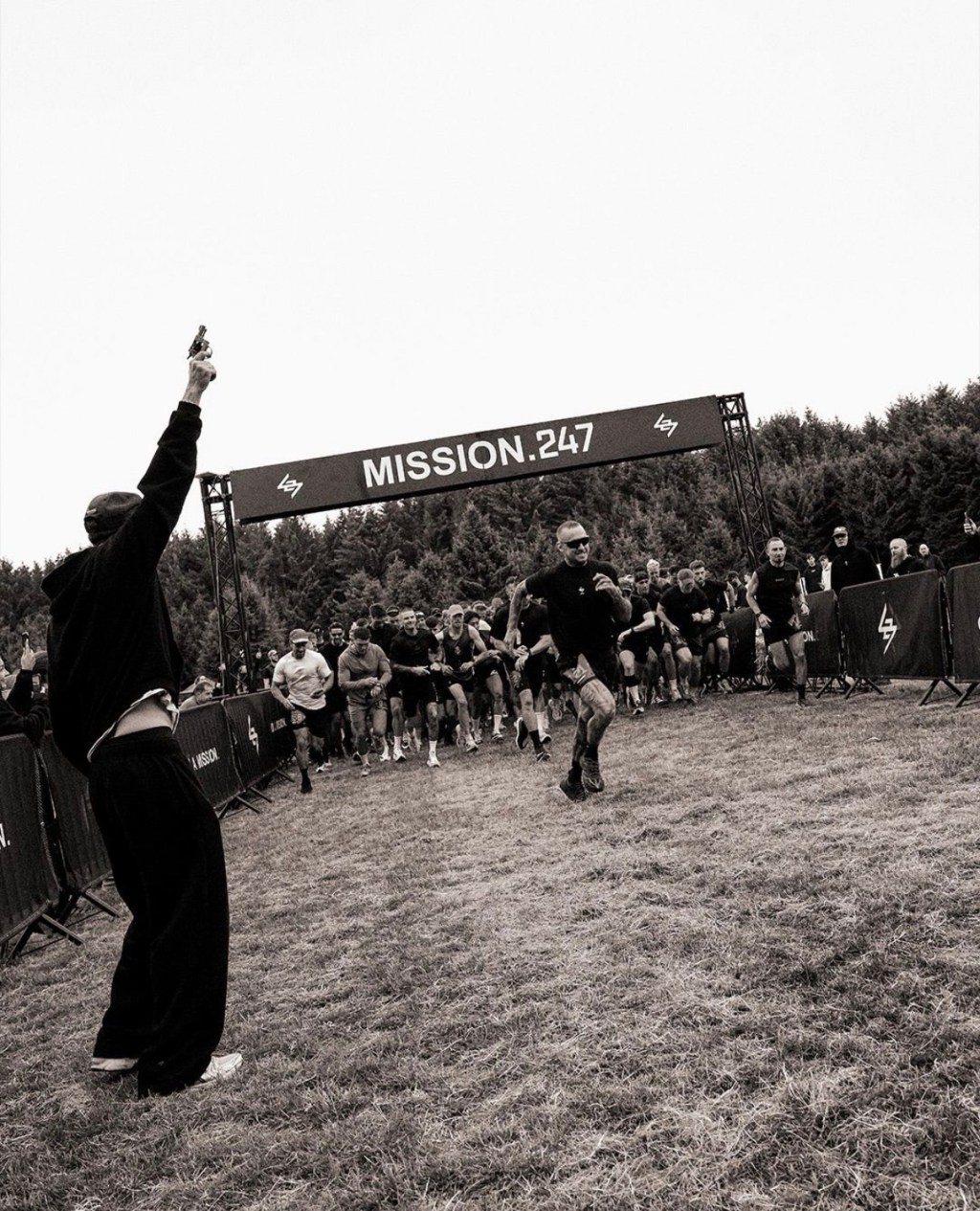
The timing is perfect. Running has become one of the strongest lifestyle categories in the world. Marathons, run clubs, trail races, recovery culture, hybrid training, and creator-led fitness have turned running into a social and visual language. Satisfy entered before the wave got crowded, which gives it credibility now that everyone wants in.
The full story is this: Satisfy took running out of the purely athletic aisle and placed it inside culture. It made gear for people who run seriously but do not want to look like the sport was designed by a corporate spreadsheet. It gave running a darker, stranger, more emotional visual identity. In that sense, Satisfy is not just competing with Nike, HOKA, or Salomon. It is competing for what running is supposed to feel like.

 Motion Magazine