
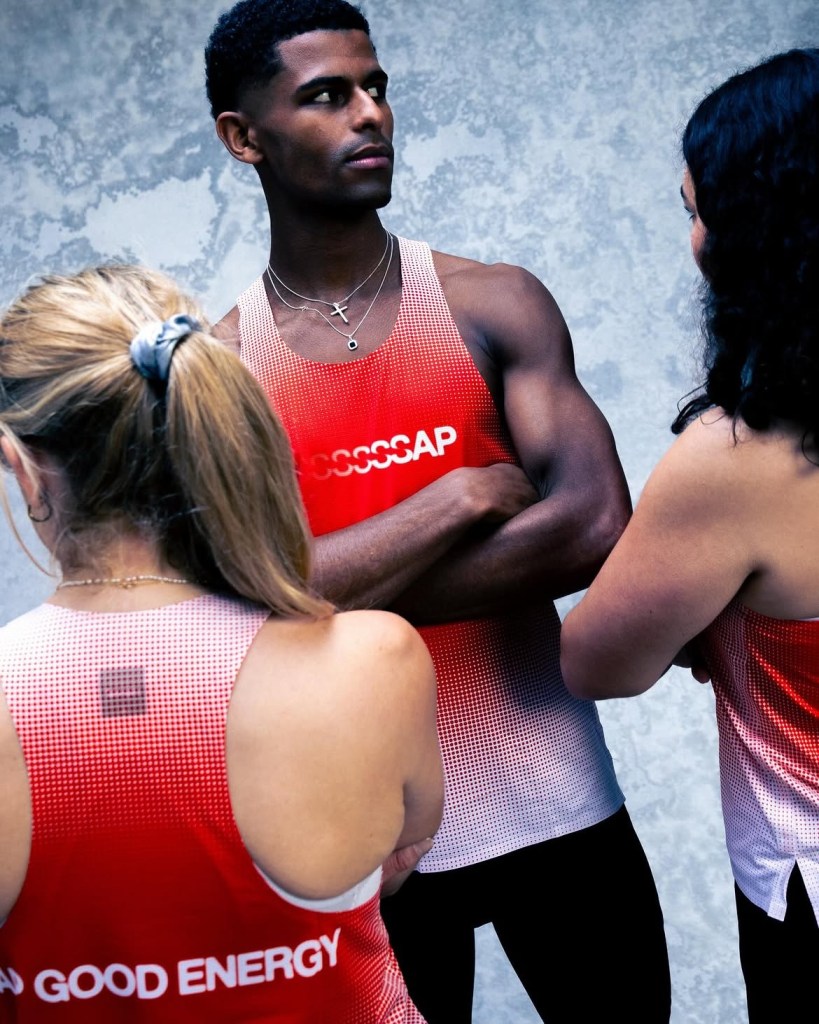
Over the last decade, running has transformed from a niche endurance sport into one of today’s defining cultural movements. Local run clubs have become social spaces, marathon weekends have evolved into community events, and performance apparel has found its place within everyday fashion. Yet while nearly every part of running culture has evolved, one category remained surprisingly stagnant: sports nutrition.
For years, runners accepted energy gels as a necessary inconvenience. Most were packed with artificial ingredients, preservatives, synthetic flavors, and thick textures that were difficult to consume while moving. They served a purpose, but few athletes actually enjoyed them. Fueling became something runners endured rather than embraced.
SAP Good Energy was founded on the belief that there had to be a better way.
The company began with endurance athletes James Warnock and Conor McNamee, who met through Cape Town’s running community. Like many long distance runners, both had spent years experimenting with different fueling products while training and racing, yet neither felt completely satisfied with what was available. The products on the market often prioritized shelf life and manufacturing efficiency over ingredient quality and the overall experience of consuming them.
Instead of trying to engineer another highly processed sports gel, the pair looked toward one of nature’s simplest energy sources: maple syrup.
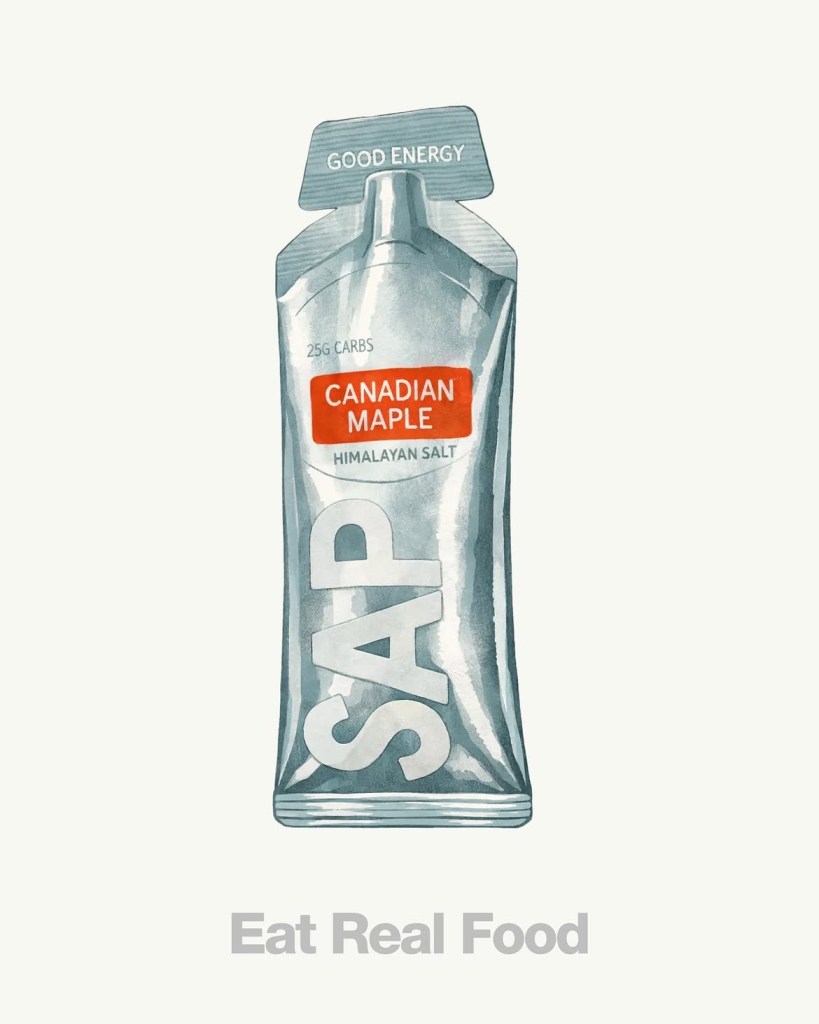
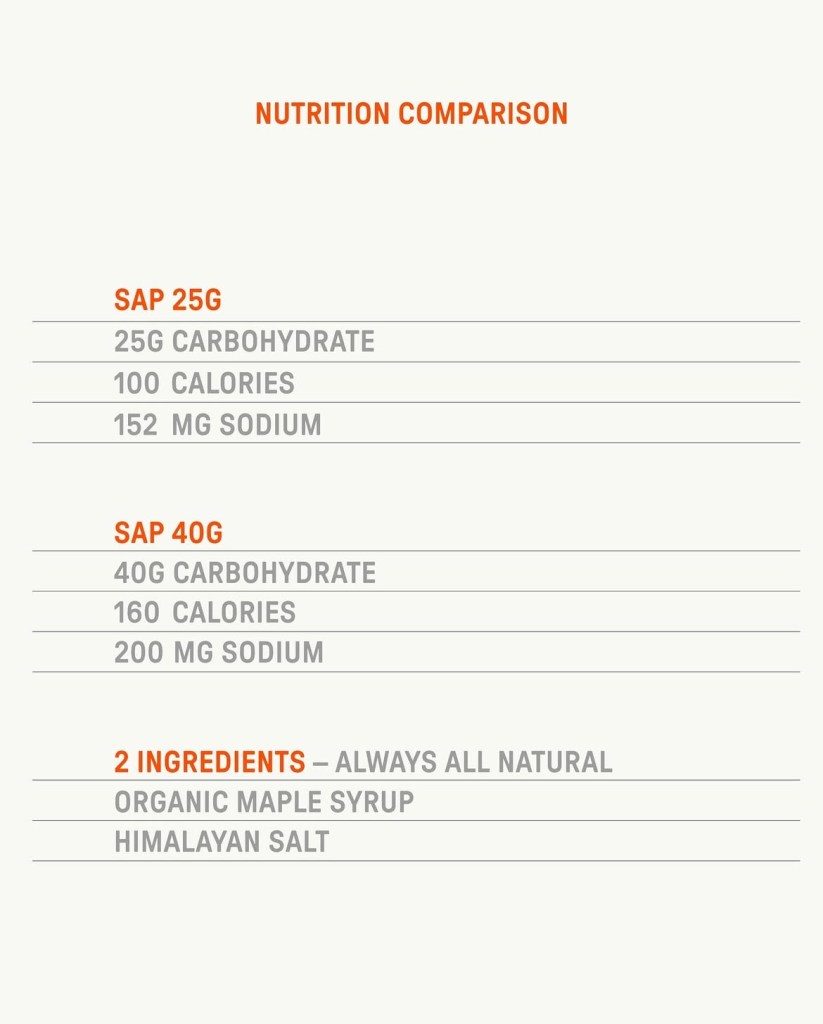
Rich in naturally occurring carbohydrates, organic Canadian maple syrup provides a balance of glucose and fructose that allows the body to absorb energy efficiently during prolonged exercise. Combined with Himalayan salt to replace sodium lost through sweat, they realized they could create an endurance fuel from just two ingredients.
That decision became the foundation of SAP Good Energy.
Rather than filling their gels with artificial sweeteners, preservatives, gums, stabilizers, and flavor enhancers, SAP deliberately removed everything that wasn’t essential. The company wasn’t trying to create the most technologically advanced nutrition product on the market. It was trying to create one that athletes could actually trust.
The simplicity of the formulation quickly became one of the brand’s greatest strengths.
As consumers across industries began paying closer attention to ingredient labels, SAP arrived at the intersection of performance nutrition and the broader movement toward clean, transparent food. Instead of asking runners to understand complicated ingredient lists, the company offered complete transparency. Every ingredient served a clear purpose, reinforcing the idea that better performance didn’t necessarily require greater complexity.
But SAP’s rise cannot be explained by its product alone.
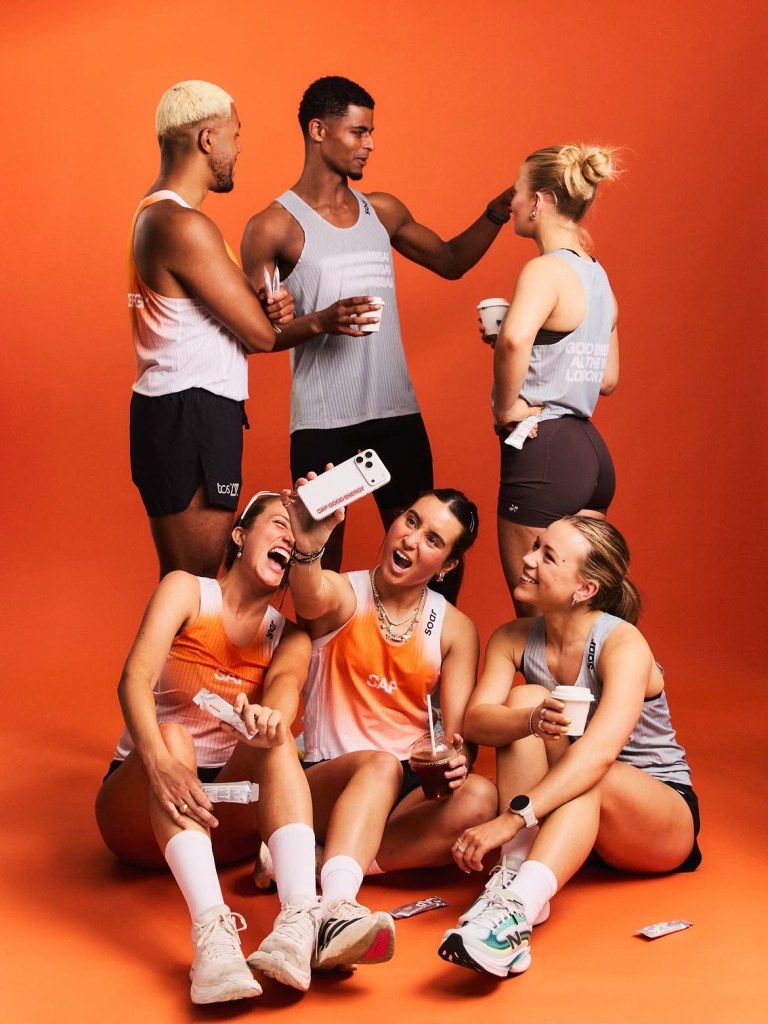
At the same time the company launched, running itself was undergoing a cultural transformation. Across cities throughout the United Kingdom and beyond, local run clubs were becoming creative communities where athletes, designers, photographers, musicians, and entrepreneurs gathered around a shared passion for movement. Running was becoming less about competition and more about connection.
SAP understood this shift earlier than many brands.
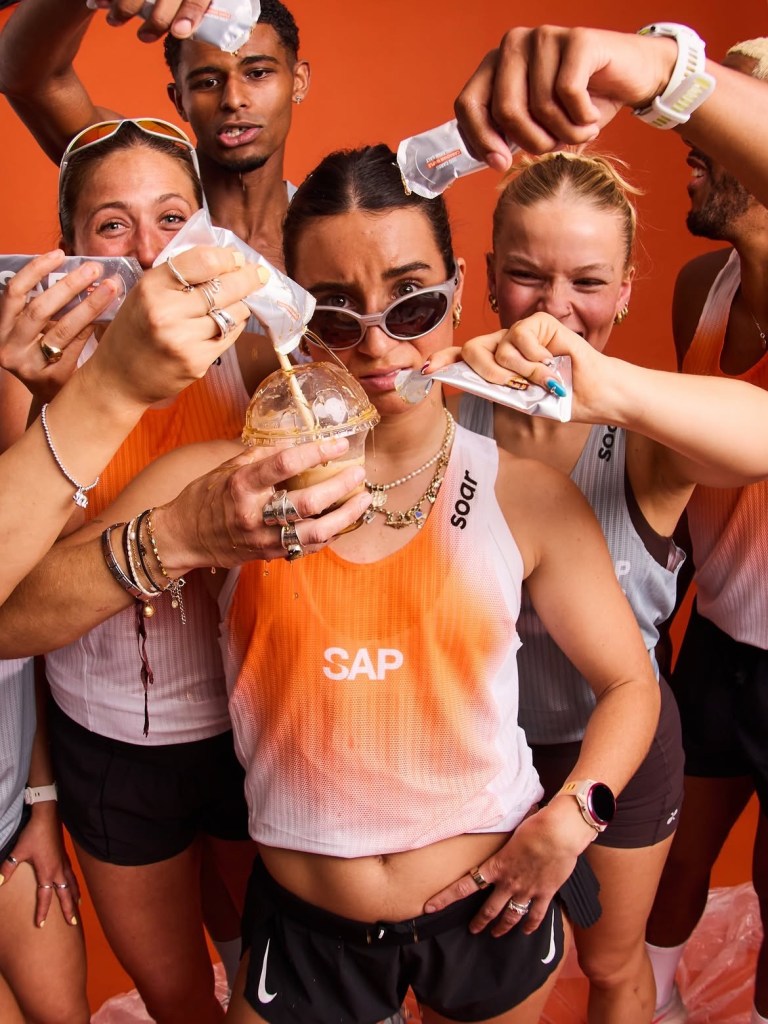
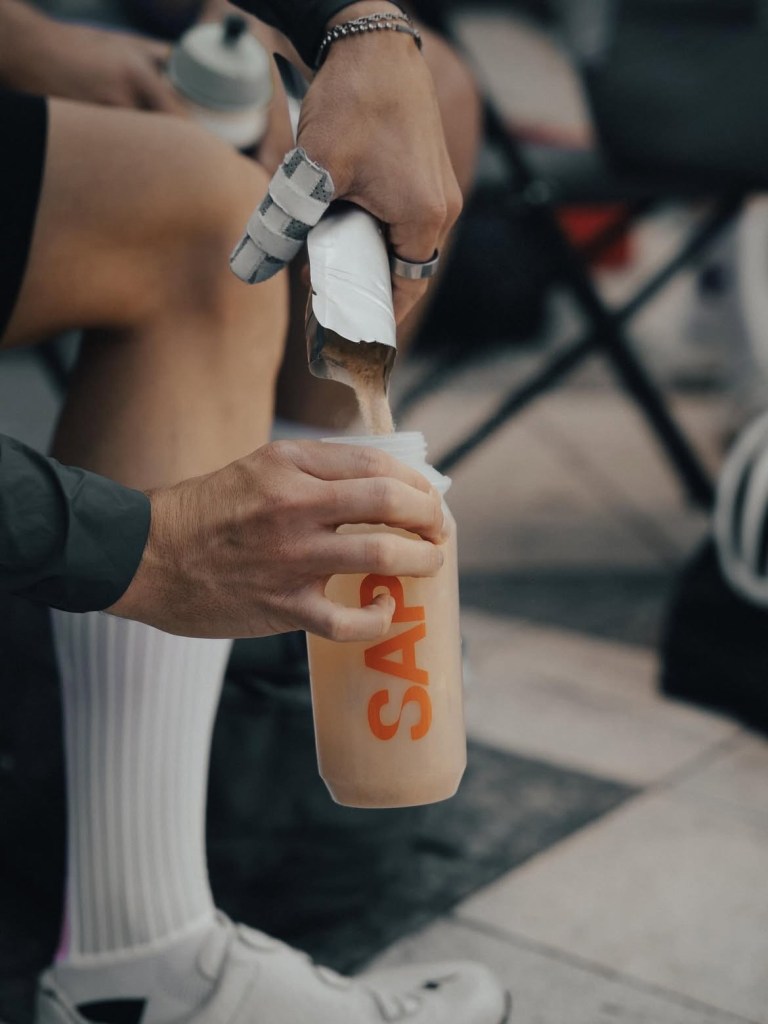
Rather than relying on expensive advertising campaigns or celebrity endorsements, the company invested directly into the communities that were driving modern running culture. It became a familiar presence at local shakeout runs, marathon weekends, grassroots races, and community events, allowing athletes to experience the product in the environments it was designed for.
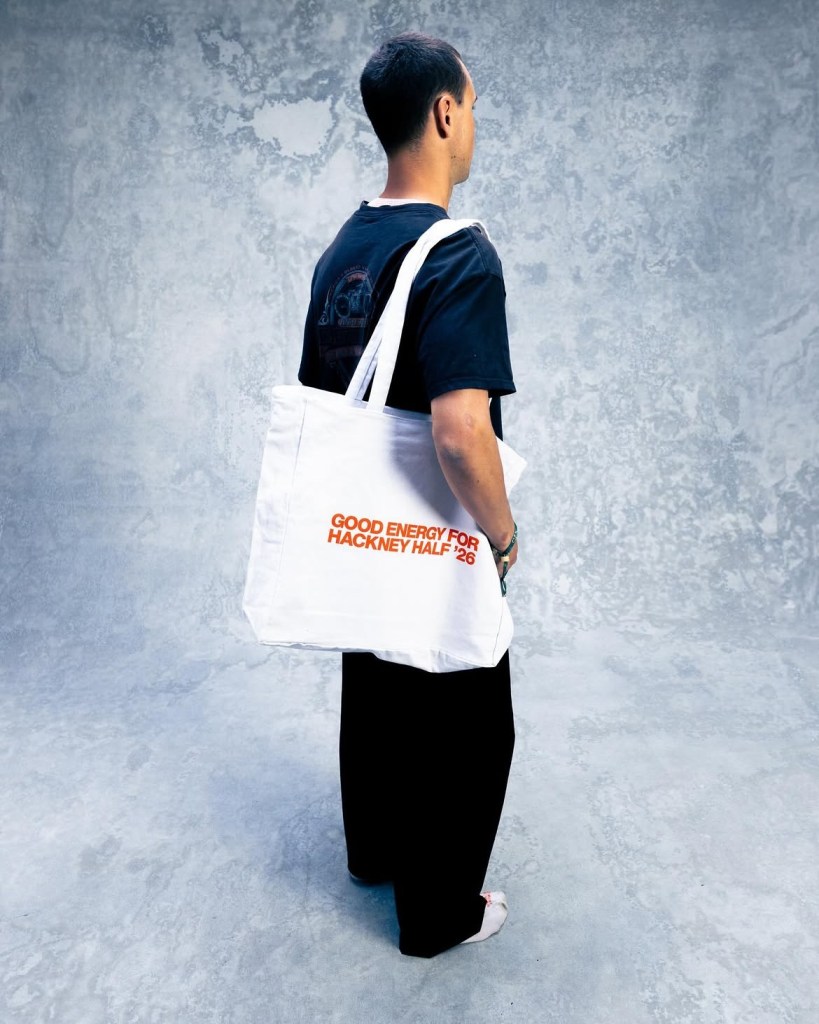
That grassroots approach eventually led to SAP becoming the official fuel partner of the HOKA Hackney Half Marathon, one of the United Kingdom’s most celebrated running events. The partnership reflected more than commercial success. It demonstrated that SAP had become woven into the culture of running itself.
The company’s branding follows the same philosophy as its product.
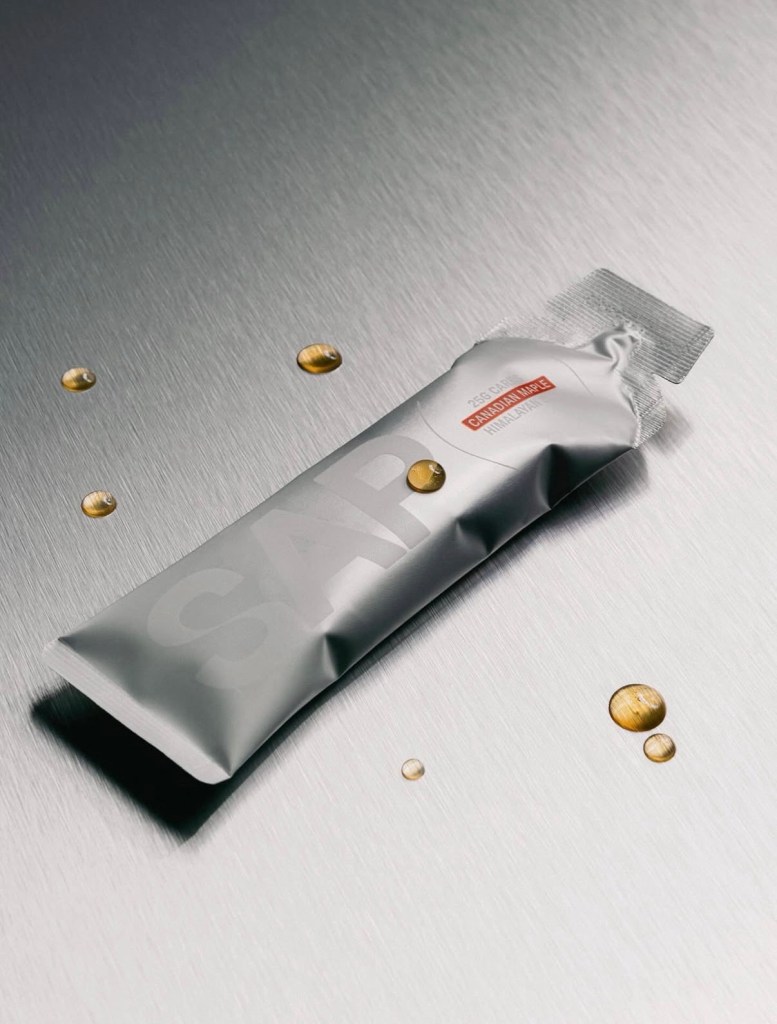
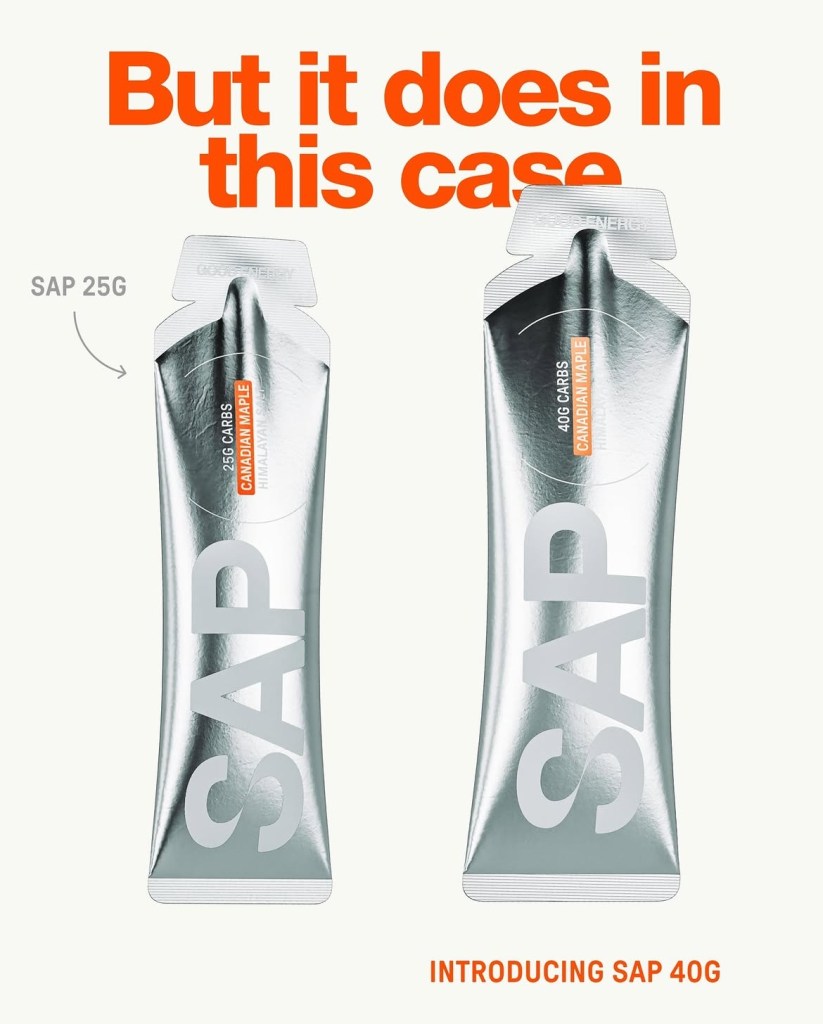
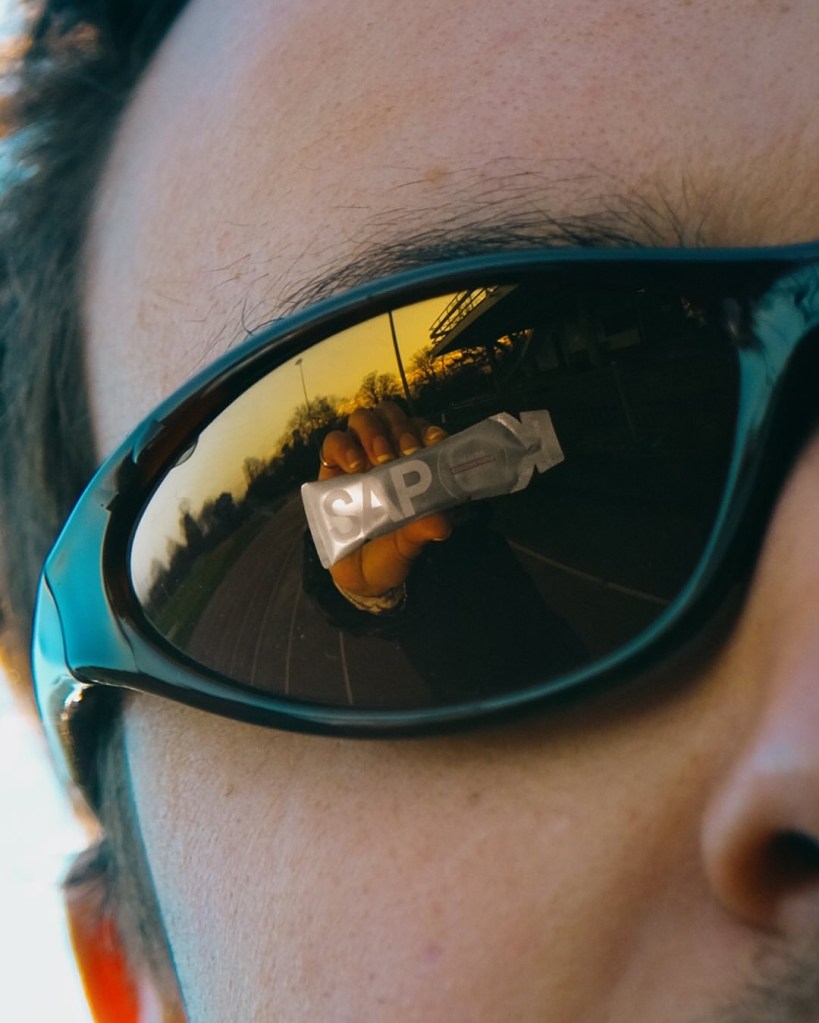
Minimal silver packaging, restrained typography, and understated design stand apart from an industry often dominated by loud colors and technical marketing language. SAP presents itself less like a supplement company and more like a contemporary design brand, reflecting the growing overlap between performance, fashion, and lifestyle.
That aesthetic has helped the brand resonate with a new generation of runners who view performance products as an extension of their identity rather than simply equipment. In today’s running culture, people care just as much about the brands they align with as the miles they log.
SAP understands that modern athletes aren’t only buying fuel. They’re buying into values.
Transparency. Simplicity. Community. Thoughtful design.
Those principles have allowed the company to stand out in an increasingly crowded endurance nutrition market without constantly expanding its product line or chasing trends. While many competitors continue introducing increasingly complicated formulas and endless flavor variations, SAP has remained focused on refining a single idea exceptionally well.
In many ways, SAP Good Energy represents the direction performance brands are moving as a whole. Consumers increasingly value authenticity over marketing, ingredient transparency over technical jargon, and genuine community over traditional advertising. The brands shaping the future of endurance sport are no longer simply selling products. They’re creating cultures people genuinely want to be part of.
SAP Good Energy proves that innovation doesn’t always come from adding more. Sometimes it comes from stripping everything back to what matters most. In doing so, the company hasn’t just reimagined the energy gel. It has helped redefine what modern performance nutrition can look like.
Explore more from SAP Good Energy here: https://sapgoodenergy.com