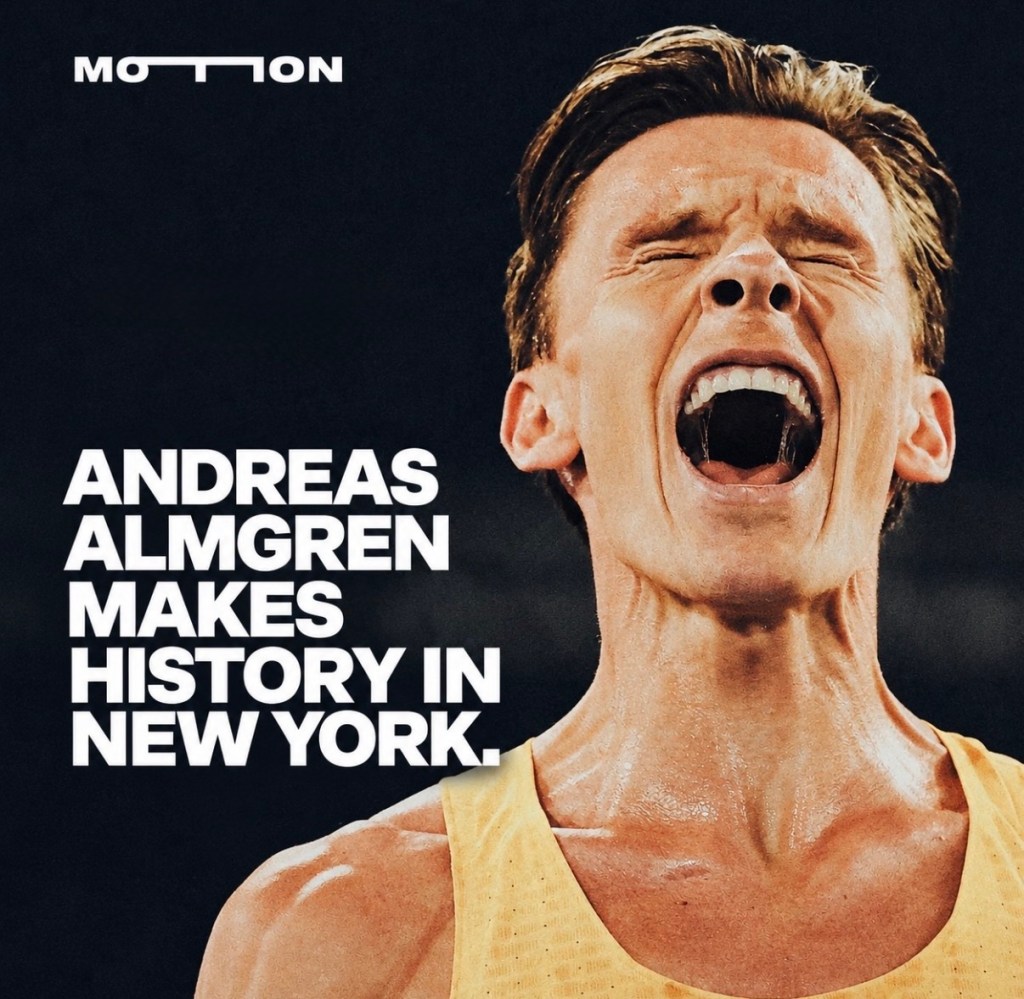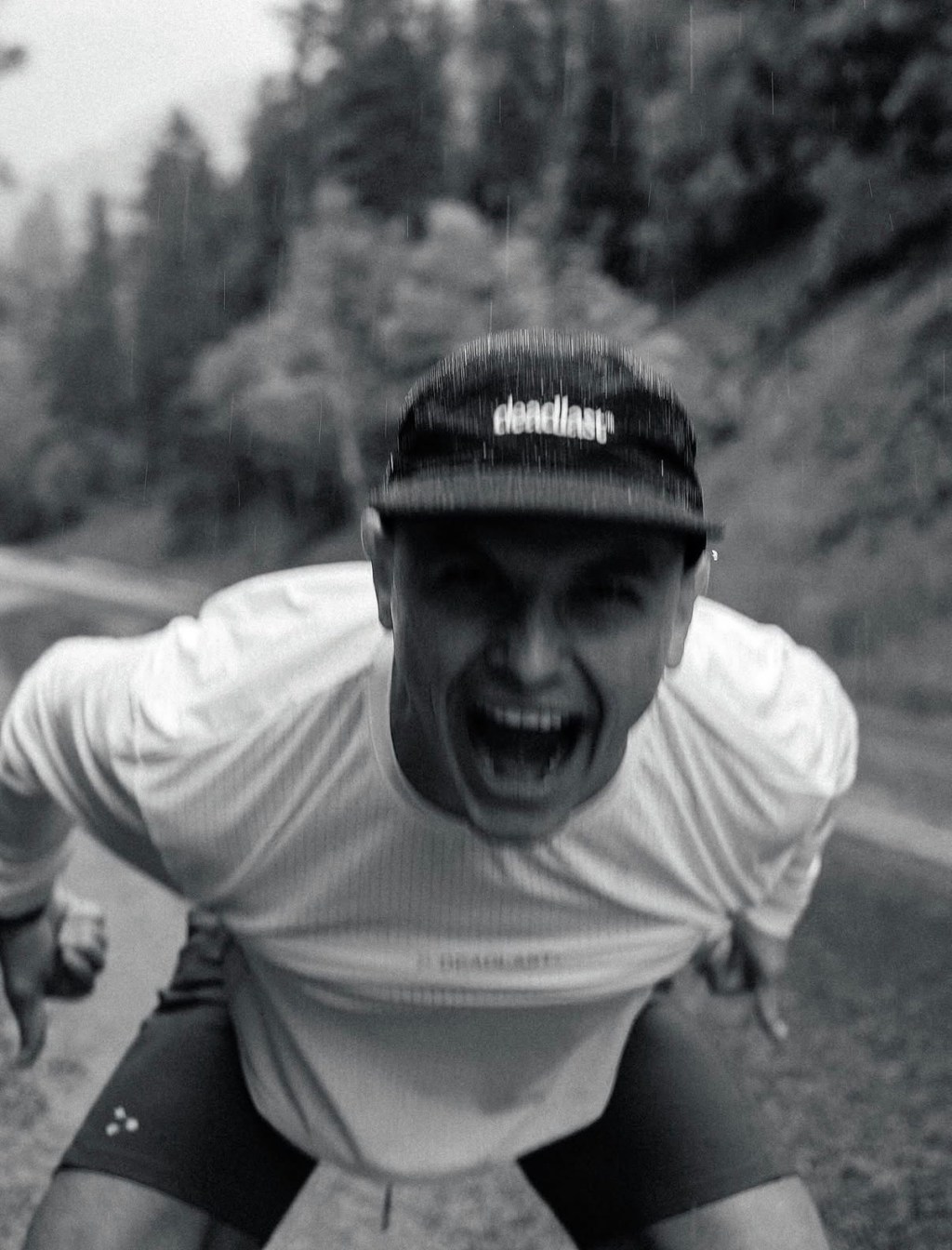
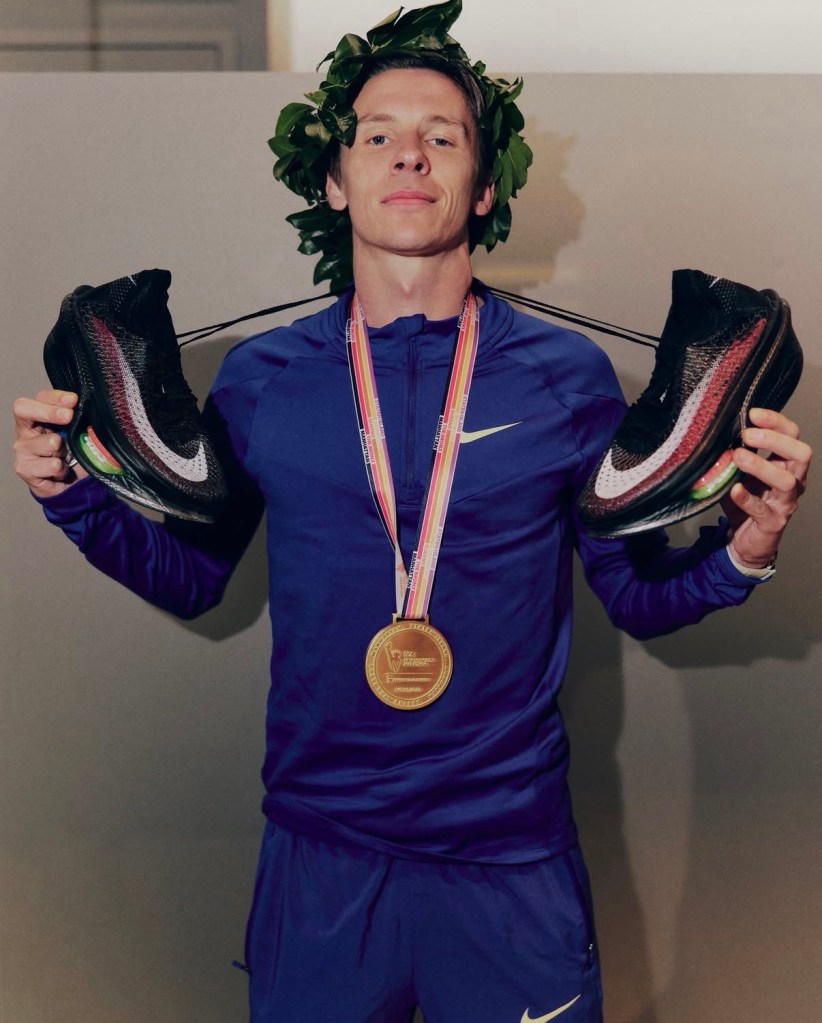
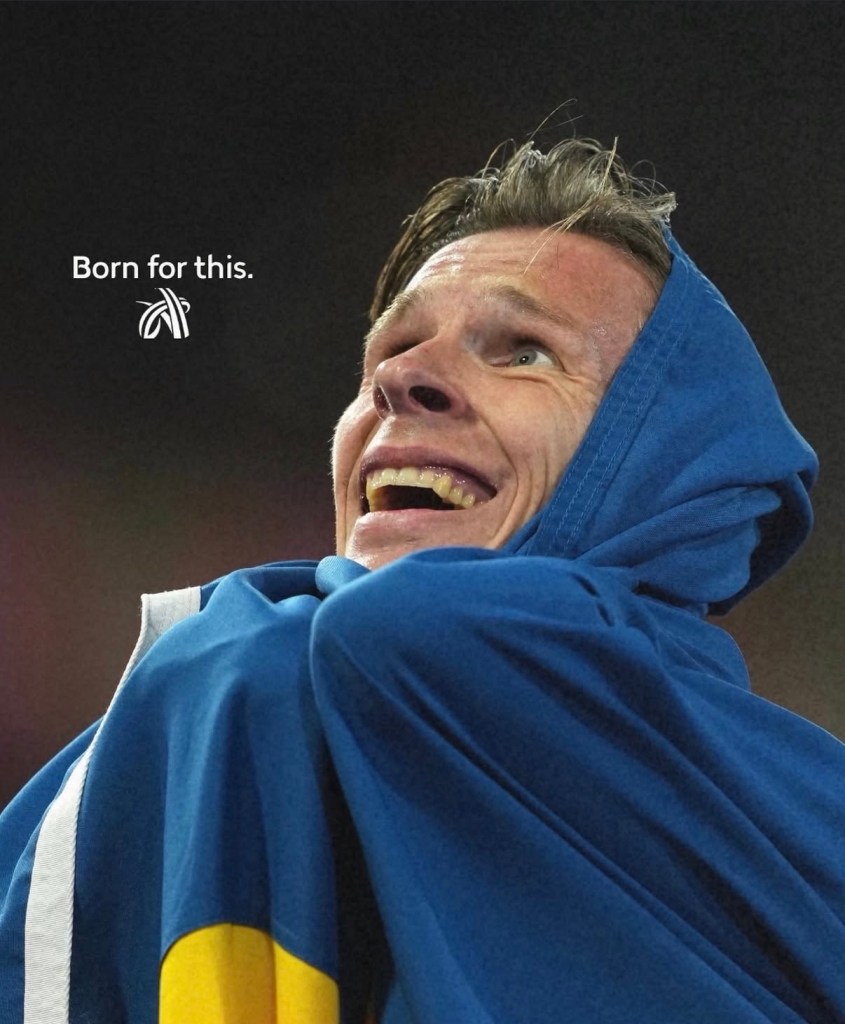
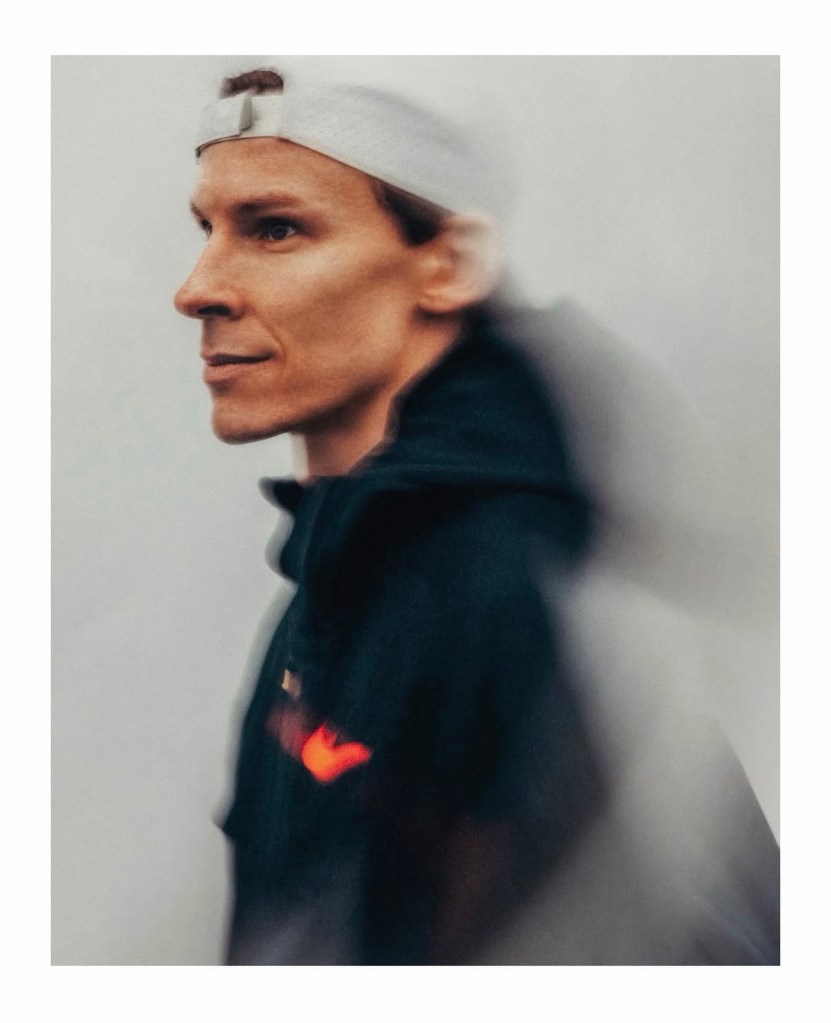
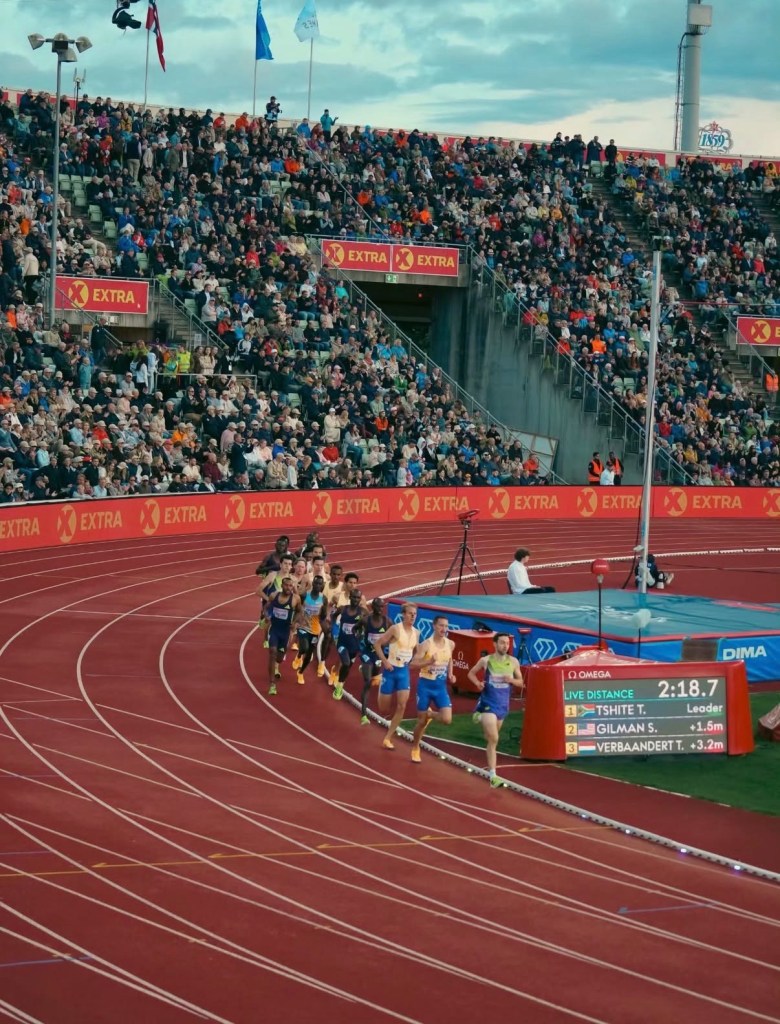

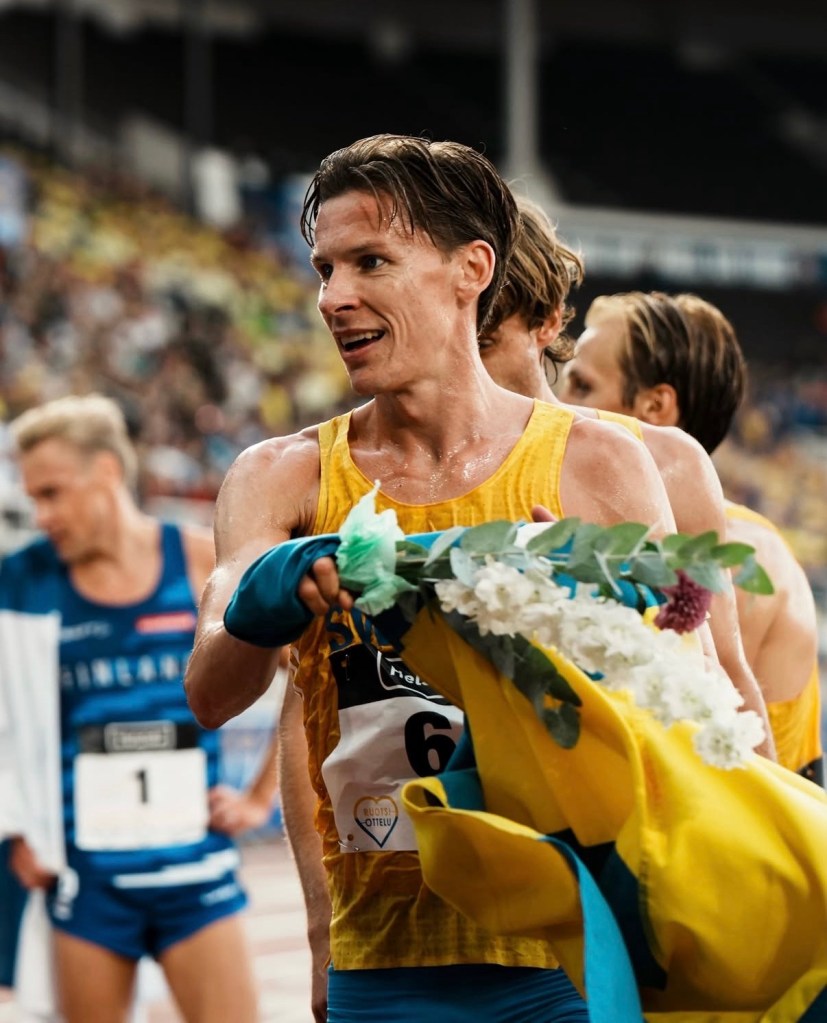

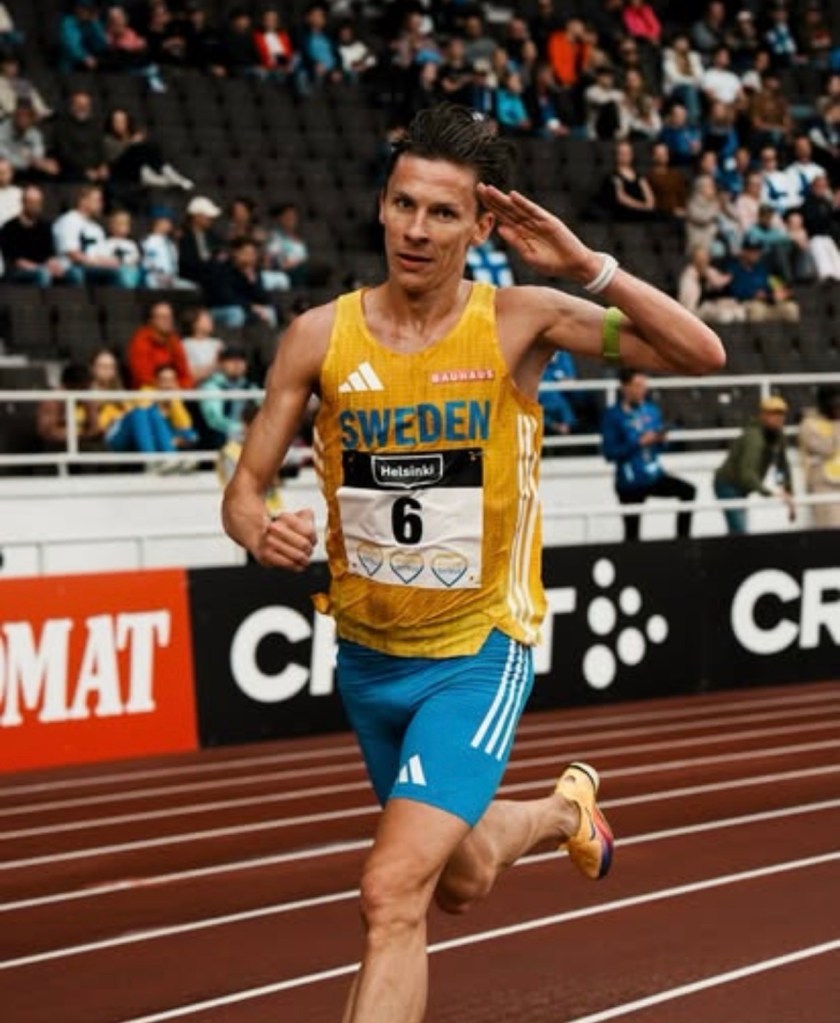
In November 2025, Andreas Almgren traveled to New York City to watch the marathon. He stood along the streets of Brooklyn, watched runners make their way into Manhattan, and eventually found himself in Central Park, observing the final miles of one of the world’s most celebrated races. It was there that the Swedish distance runner began considering a future of his own at the event. One year later, he returned to those same streets, this time as a competitor, and crossed the finish line as champion.
On November 1, 2026, Almgren won the New York City Marathon in his debut over 26.2 miles, finishing in 2:06:01, the third-fastest time in the race’s history. He defeated Italy’s Yemaneberhan Crippa by 13 seconds, becoming the first Swedish athlete to win the event and the first European-born man to claim the title since 1996. At 31 years old, he had accomplished something extraordinary in a discipline he had never originally intended to pursue.
To understand the significance of the victory, it is worth looking at how far Almgren’s career has taken him from where it began.
Growing up in Sollentuna, just outside Stockholm, Almgren initially imagined a future in football. He played in the youth system of Swedish club AIK, developing as a talented young defender before injuries eventually pushed him toward athletics. His transition to running happened relatively early, and by 2014, he had established himself as one of Sweden’s most promising middle-distance athletes. That summer, at the World Junior Championships in Eugene, Oregon, he earned bronze in the 800 meters with a time of 1:45.65.
At that point, his career appeared to be moving toward a future in middle-distance racing. The 800 meters demanded speed, positioning, and the ability to withstand an intense final stretch. His ambitions revolved around two laps of a track, not the endurance required to cover 42.2 kilometers. But the years that followed would gradually reshape both his approach to running and his understanding of his own abilities.
Repeated stress fractures and other injuries interrupted his development, preventing him from building the consistency required to compete regularly at the highest level. Although his performances continued to improve, setbacks repeatedly arrived at critical moments. In 2024, after producing some of the fastest distance-running performances in European history, another stress fracture ended his hopes of competing at the Paris Olympics. It was another painful interruption in a career that had already demanded considerable patience.
Rather than continuing along the same path, Almgren began taking greater responsibility for understanding what his body needed. With an academic background in mathematics and experience working in risk analysis and data science, he approached training with an unusually analytical perspective. He became increasingly involved in designing his own workouts, studying heart rate, lactate measurements, training intensity, and recovery to understand how different demands affected his performance.
His development also drew on the Norwegian-inspired double-threshold approach, which uses carefully controlled aerobic sessions to build endurance while managing fatigue. Alongside his longtime mentor Urban Aruhn and an expanding group of specialists, Almgren began refining a system built around sustainable progress. After joining forces with Nike running innovation specialist Jordan Donnelly, his preparation expanded to place greater emphasis on areas including heat adaptation, altitude training, nutrition, and recovery. The objective was not simply to become faster, but to remain healthy long enough to compete when it mattered most.
By 2025, that work was beginning to produce a different kind of career. In June, Almgren won the 5,000 meters at the Stockholm Diamond League in 12:44.27, breaking the European record in front of a home crowd. Three months later, at the World Athletics Championships in Tokyo, he earned bronze over 10,000 meters, securing his first senior global championship medal after years of injuries and missed opportunities.
The following season brought even greater achievements. In August 2026, he won the European 10,000-meter title in Birmingham, running 27:23.44 and breaking a championship record that had stood since 1978. The victory demonstrated both his endurance and his growing confidence in controlling races against elite opposition. Just over a month later, he traveled to Copenhagen for the World Road Running Championships, winning the half marathon in a European record of 58:06 and claiming his first global gold medal.
Yet even with those achievements, the marathon remained unfamiliar territory.
Almgren’s decision to make his debut in New York was deliberate. Unlike faster courses where athletes often chase personal records behind pacemakers, New York is known for its hills, bridges, changing rhythms, and tactical racing. It offered an opportunity to use the speed he had developed on the track while testing the endurance he had spent years building. His preparation included demanding long runs, carefully planned fueling, and sessions designed to prepare him for the course’s changing terrain.
There was still uncertainty surrounding what his body could accomplish over the full distance. Success over 10,000 meters or the half marathon does not automatically translate to success over 26.2 miles, particularly against athletes who have spent years competing at that level. Defending champion Benson Kipruto arrived with victories across several major marathons, while Crippa and other contenders brought their own experience and ambitions.
On race day, Almgren resisted the temptation to force the pace early. The leading group remained tightly packed through much of the course, with several runners attempting to create separation as the field moved through the five boroughs. At the halfway mark, the leaders passed in approximately 1:04:01. Even at 35 kilometers, 15 runners remained together, leaving the race to be decided in its final stages.
The decisive changes came late. Kipruto accelerated during the 23rd mile, running 4:38 and helping reduce the lead group to four. Almgren responded without losing control, remaining alongside the defending champion, Crippa, and American Zouhair Talbi. By 40 kilometers, he had moved marginally ahead. Talbi eventually lost contact, followed by Kipruto, leaving Almgren and Crippa to contest the victory.
As they approached Central Park, Almgren finally made his move. Drawing on the finishing speed developed through years of middle-distance competition, he accelerated away from Crippa with just over half a mile remaining. The Italian was unable to respond. Almgren continued alone toward the finish, celebrating as the crowd welcomed him through the closing meters.
His winning time of 2:06:01 placed him among the fastest athletes ever to complete the New York City course. Crippa finished second in 2:06:14, followed by Lesotho’s Kamohelo Mofolo in 2:06:26, who narrowly edged Kipruto for third. For Almgren, it was a victory made even more remarkable by the fact that he had never previously completed a competitive marathon.
The moment also brought his journey back to where it had started just twelve months earlier. In 2025, he had watched the race unfold from the sidelines, studying the experience and imagining what it might feel like to participate. In 2026, he returned with an entirely different perspective, becoming part of the history he had once traveled to witness.
What makes Almgren’s achievement particularly compelling is that his career has never followed a predictable progression. He began as a footballer, became an internationally competitive 800-meter runner, endured years of injuries, and gradually transformed himself into one of the world’s most accomplished distance athletes. Each transition required him to reconsider the kind of runner he wanted to become, while preserving the competitive instinct that had been present from the beginning.
His story is also one of persistence without certainty. The injuries were real, the missed championships were consequential, and his move toward longer distances offered no guarantee of success. What ultimately changed was his ability to adapt, combining years of athletic experience with a willingness to question his preparation and pursue opportunities beyond those he originally imagined.
Twelve years after emerging as an 800-meter prospect, Andreas Almgren has become the New York City Marathon champion. What began with two laps of a track has carried him through years of setbacks, records, and reinvention to a victory across 26.2 miles. The distance changed, but the ambition to discover how far he could go never did.