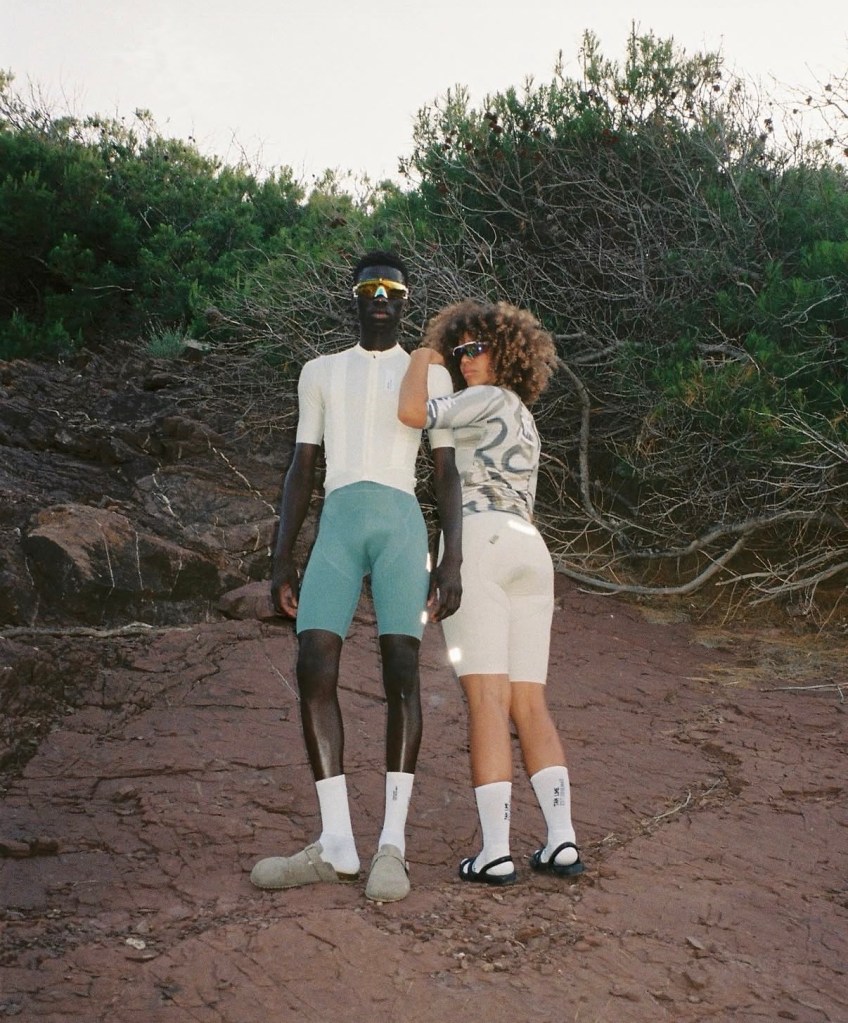
Founded in Madrid in 2018, TAN LINE has spent the better part of a decade exploring the relationship between cycling, fashion, and the culture that exists beyond competition. What began as an independent performance apparel label has developed into a recognizable name within contemporary cycling, bringing together technical clothing, expressive design, creative collaborations, and a growing community of riders.
At a time when cycling apparel was largely defined by traditional racing aesthetics and established performance brands, TAN LINE introduced a different perspective. Its approach was rooted in the belief that technical clothing could serve its purpose without sacrificing individuality. Cycling jerseys could be functional and expressive. Performance garments could draw inspiration from fashion. And a cycling brand could represent something larger than the products it sold.
The name itself captures that philosophy. TAN LINE refers to the distinctive marks left on the skin after hours spent riding beneath the sun. For cyclists, these lines are an unmistakable part of the sport, a physical reminder of early mornings, long distances, and time spent outdoors. By building its identity around something so familiar to riders, the brand established an immediate connection to the culture it wanted to represent.
Behind TAN LINE is founder Jorge Morcillo Sánchez, whose involvement in endurance sports helped shape the label’s direction. Rather than approaching cycling exclusively through the lens of professional racing, Morcillo recognized the broader lifestyle surrounding it. The friendships formed during rides, the places discovered along unfamiliar roads, and the personal expression that comes through what riders choose to wear were all part of the experience.
From its earliest collections, TAN LINE sought to bring those elements together.
Building an Identity Beyond Performance
The brand’s first collection arrived in spring and summer 2018, establishing the foundation for a design language that would continue to evolve over the following years. Technical construction remained central to the product, but TAN LINE was equally interested in how cycling clothing looked and felt.
Early collections favored considered silhouettes, distinctive colors, and a restrained visual identity. As the brand developed, its designs became increasingly adventurous, introducing graphic patterns, unconventional textures, and more expressive combinations of color.
The result is a collection of garments that moves between minimalism and experimentation.
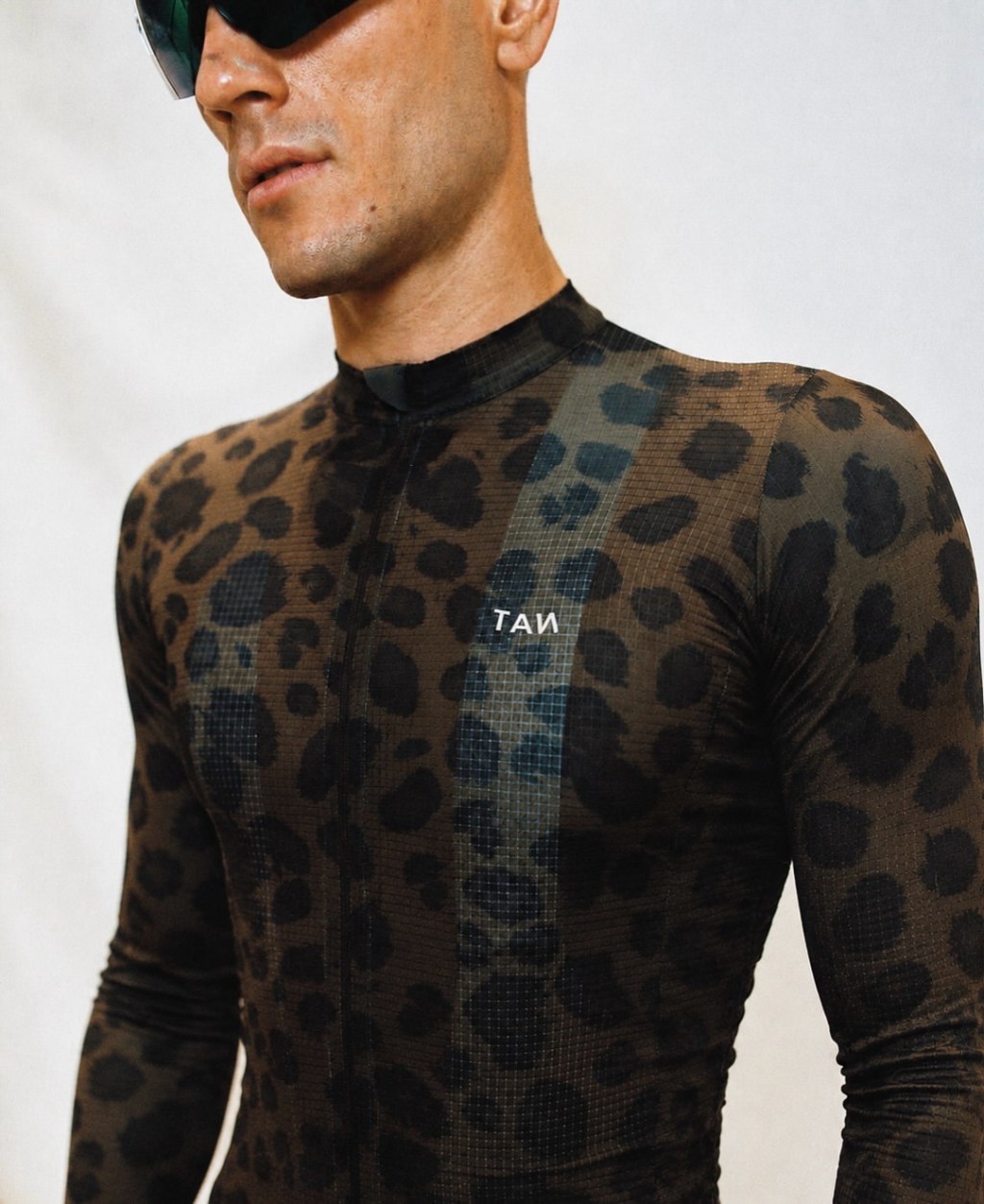
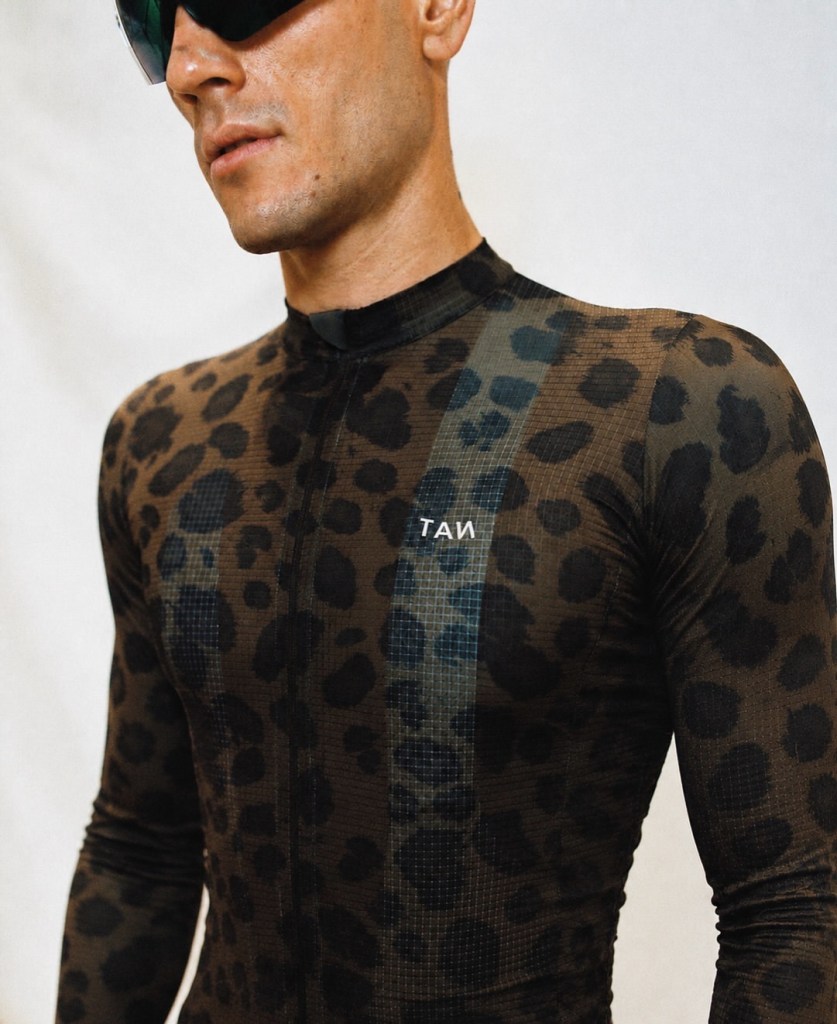
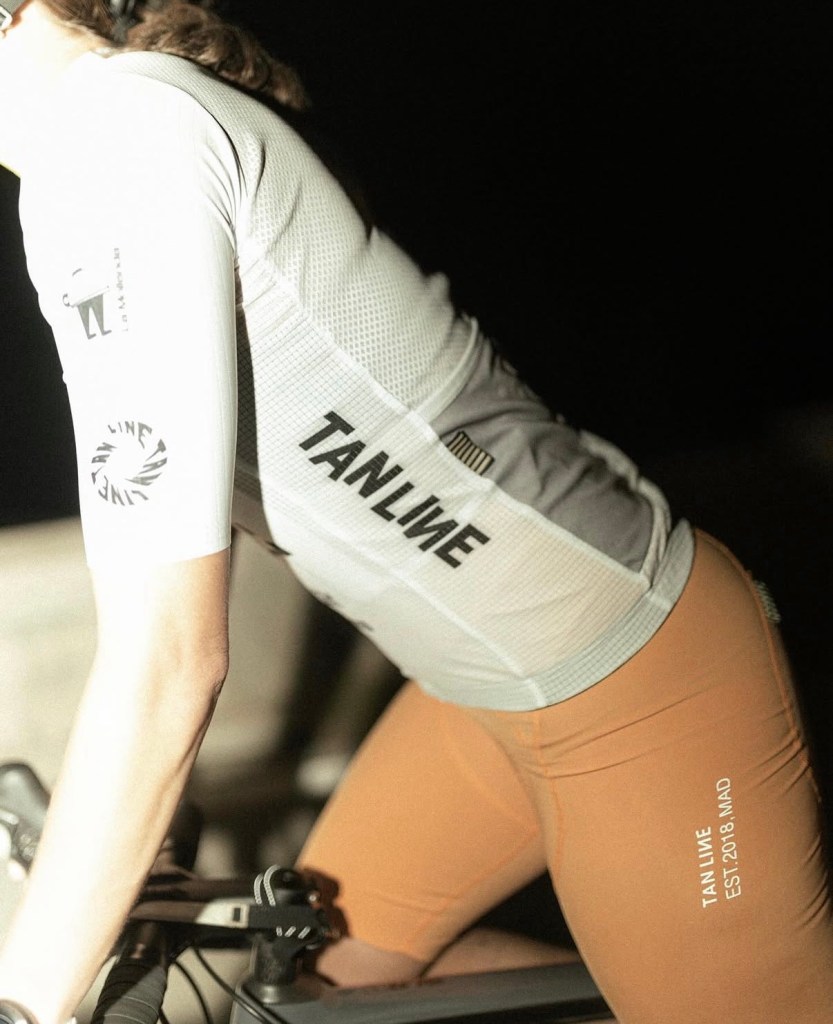
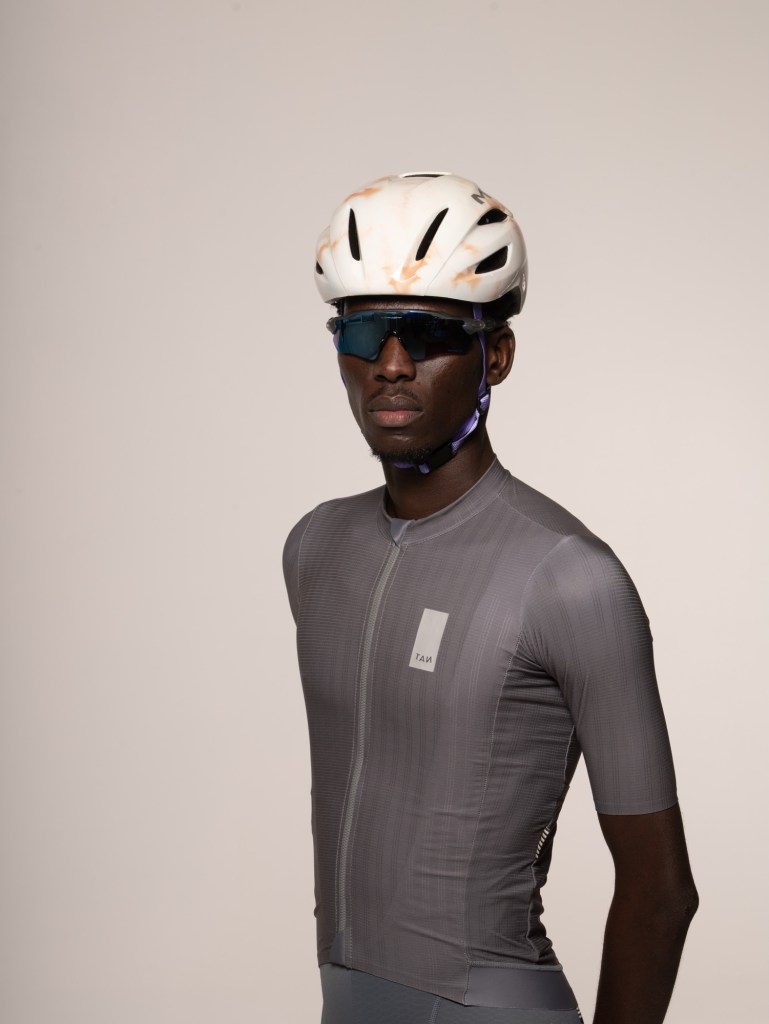
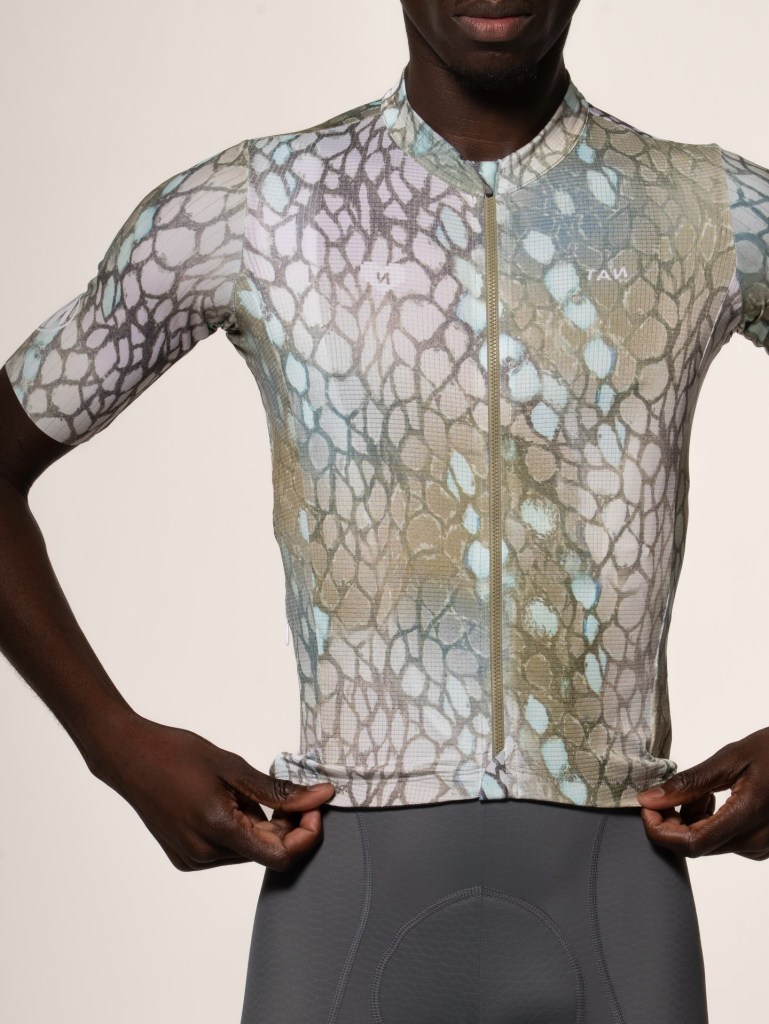
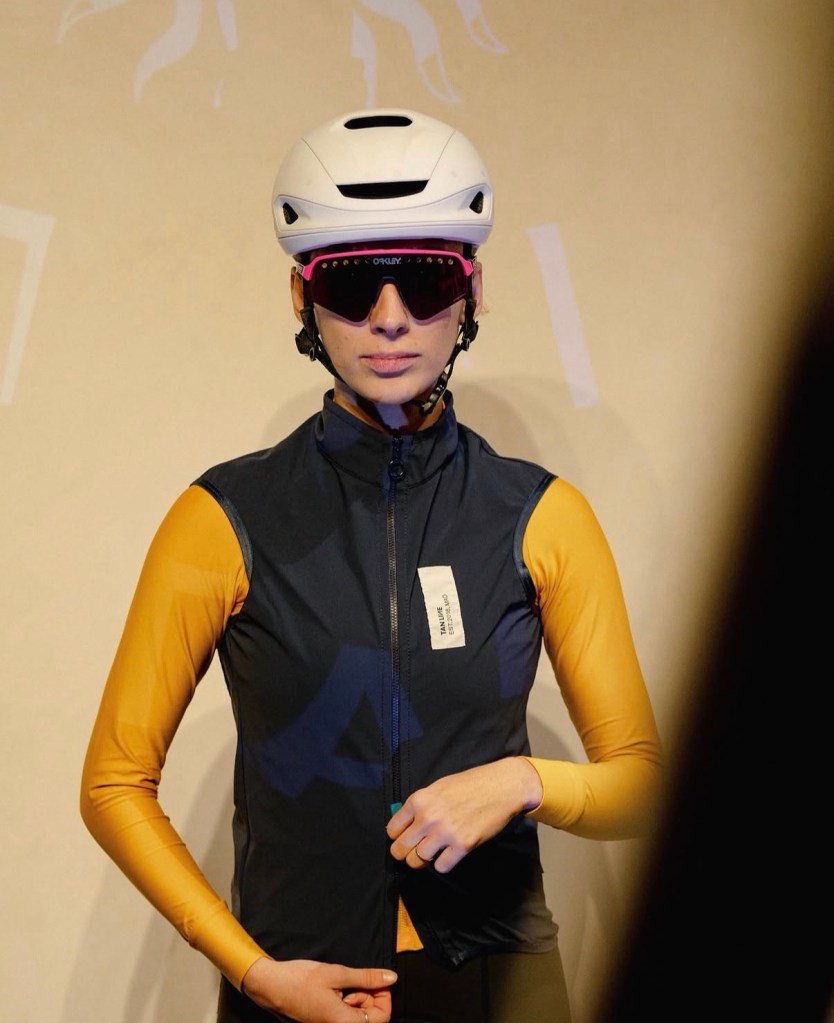
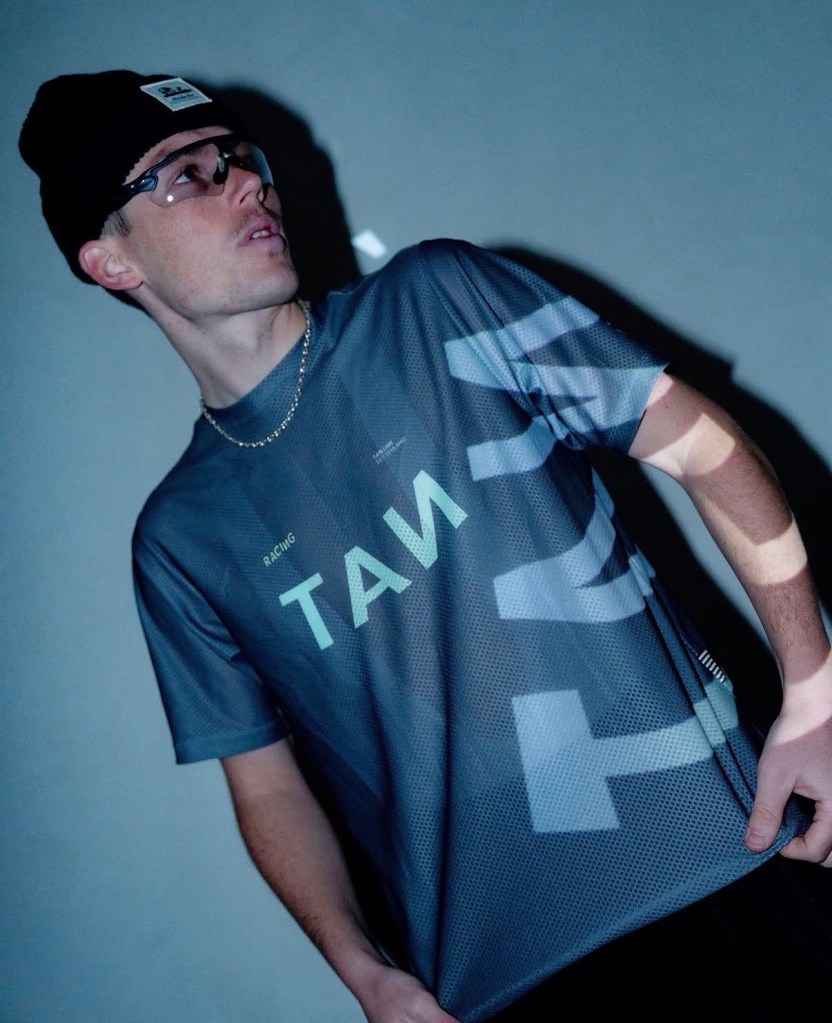
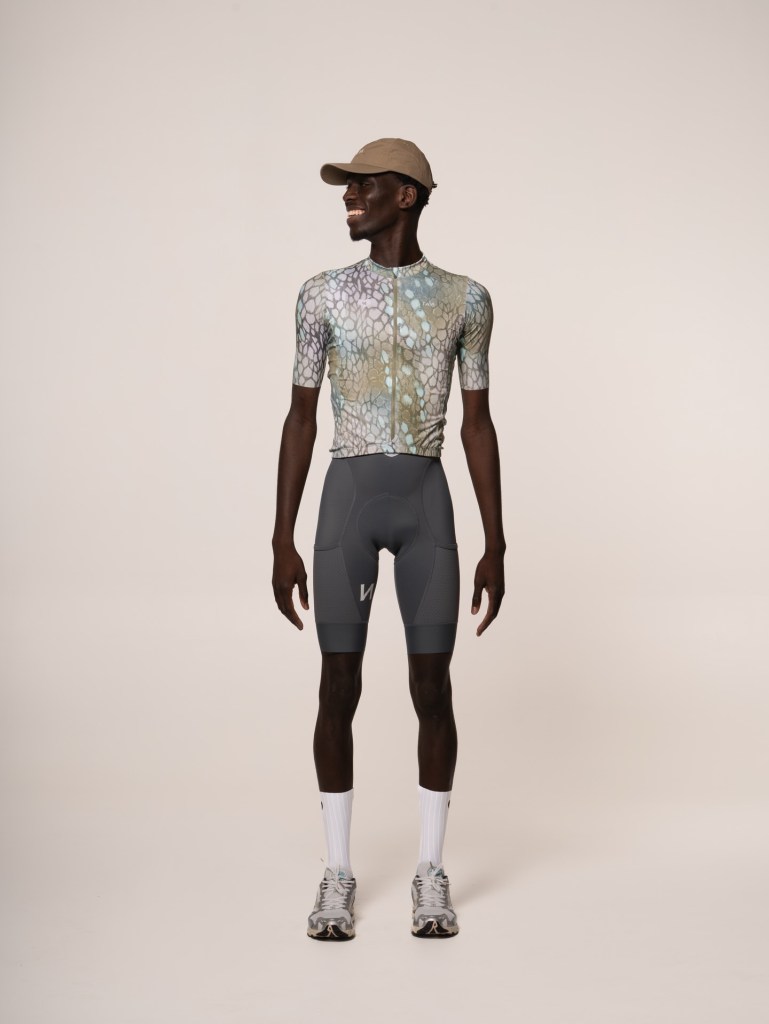
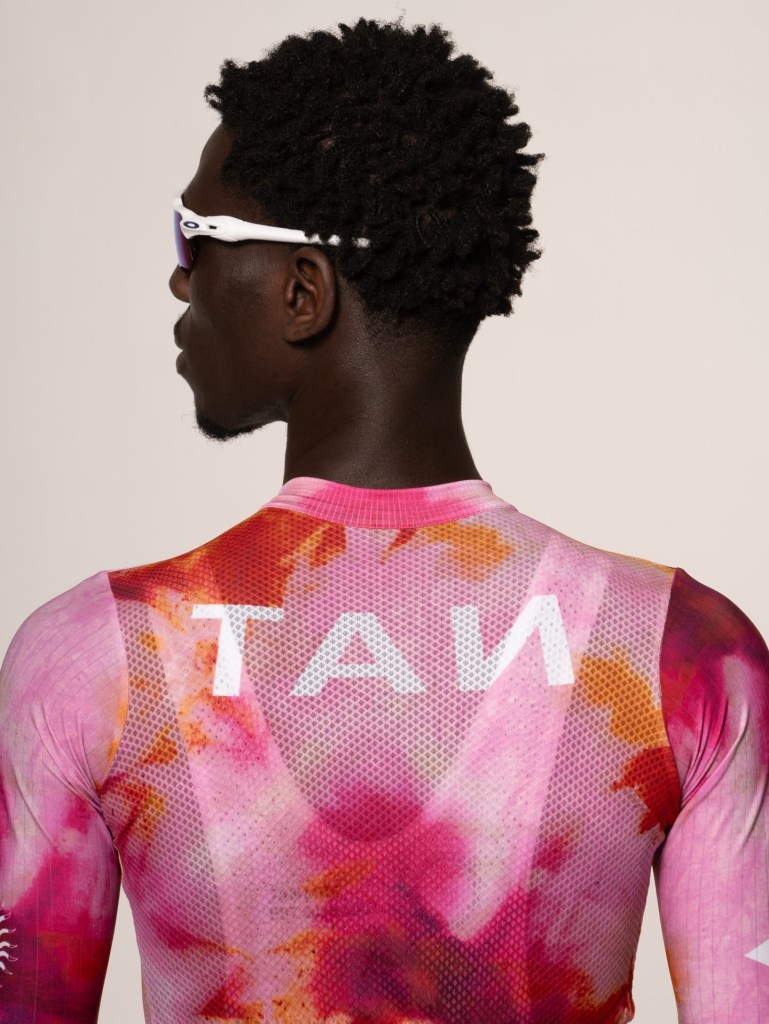
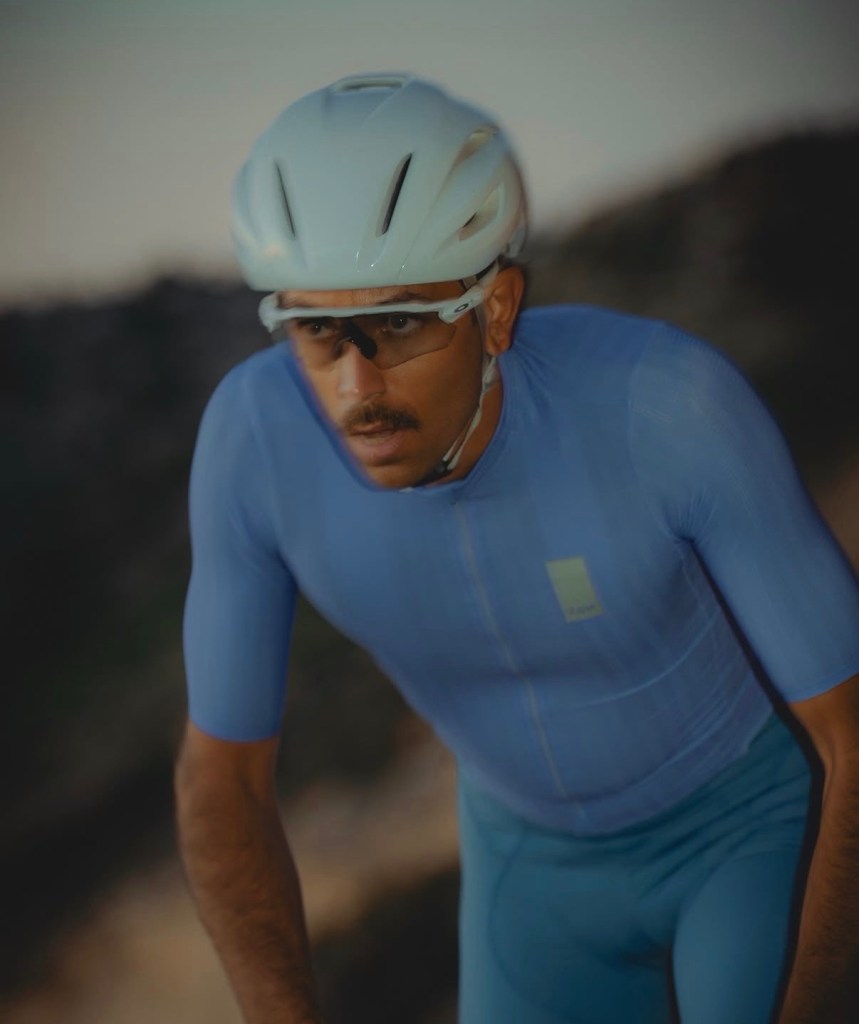
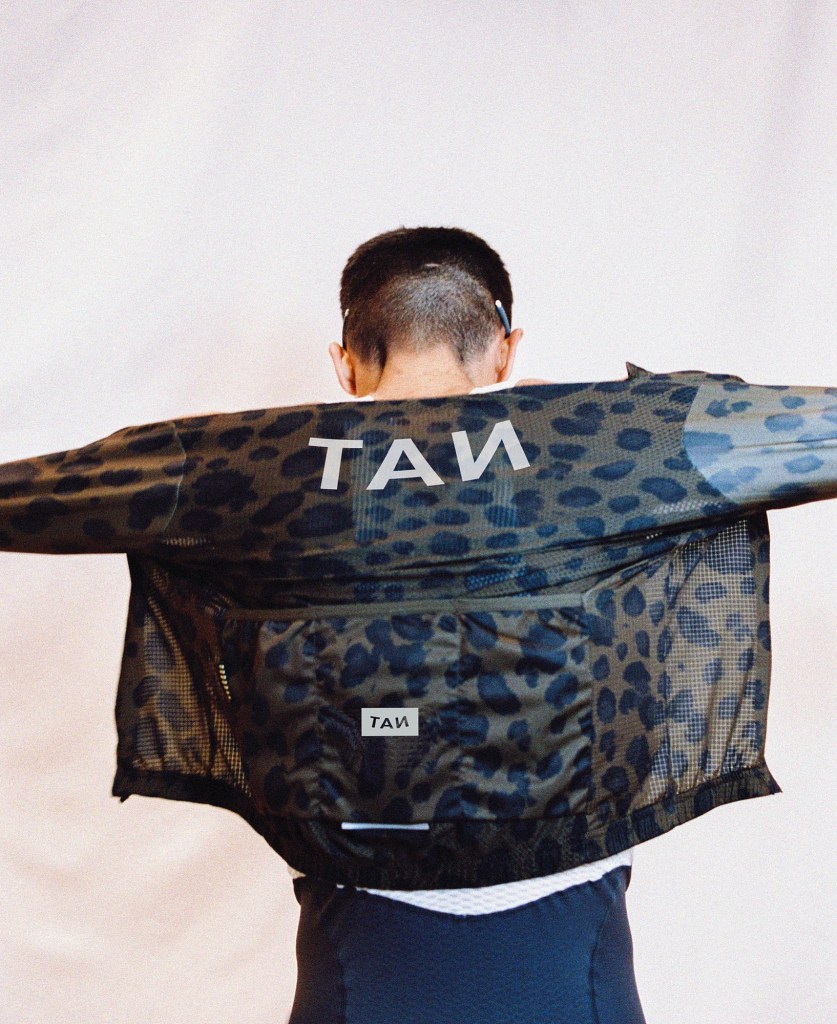
Some jerseys feature muted gray, cream, and earth tones with small, carefully positioned branding. Others incorporate leopard-inspired prints, abstract graphics, and vibrant combinations of pink, orange, and blue. Lightweight technical fabrics and close-fitting silhouettes preserve the functionality expected from cycling apparel, while the visual treatment introduces influences more commonly associated with contemporary fashion.
That balance has become one of TAN LINE’s defining characteristics.
The brand does not attempt to remove cycling clothing from its sporting context. Instead, it expands the possibilities of what that clothing can look like. A jersey remains a jersey, designed for hours on the bike, but its appearance becomes another form of personal expression.
This approach reflects a broader shift within endurance sports. As cycling has grown beyond traditional racing communities, a new generation of riders has brought different cultural influences into the sport. Fashion, photography, music, design, and travel increasingly shape how cycling is experienced and represented.
TAN LINE has positioned itself within that intersection, creating clothing for people who see cycling as both a physical pursuit and part of their identity.
The Creative World of TAN LINE
Clothing is only one part of the brand’s story.
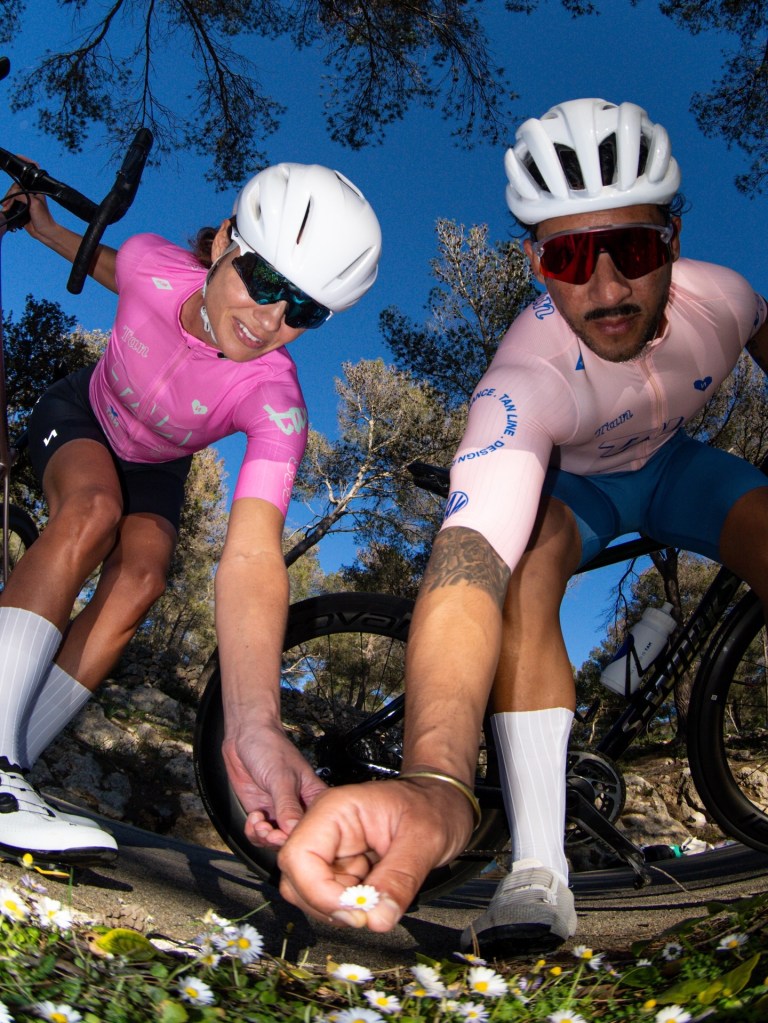
Over the years, TAN LINE has developed a visual identity built around photography, travel, and creative storytelling. Its campaigns frequently place riders in environments that emphasize the experience of cycling rather than simply documenting the product.
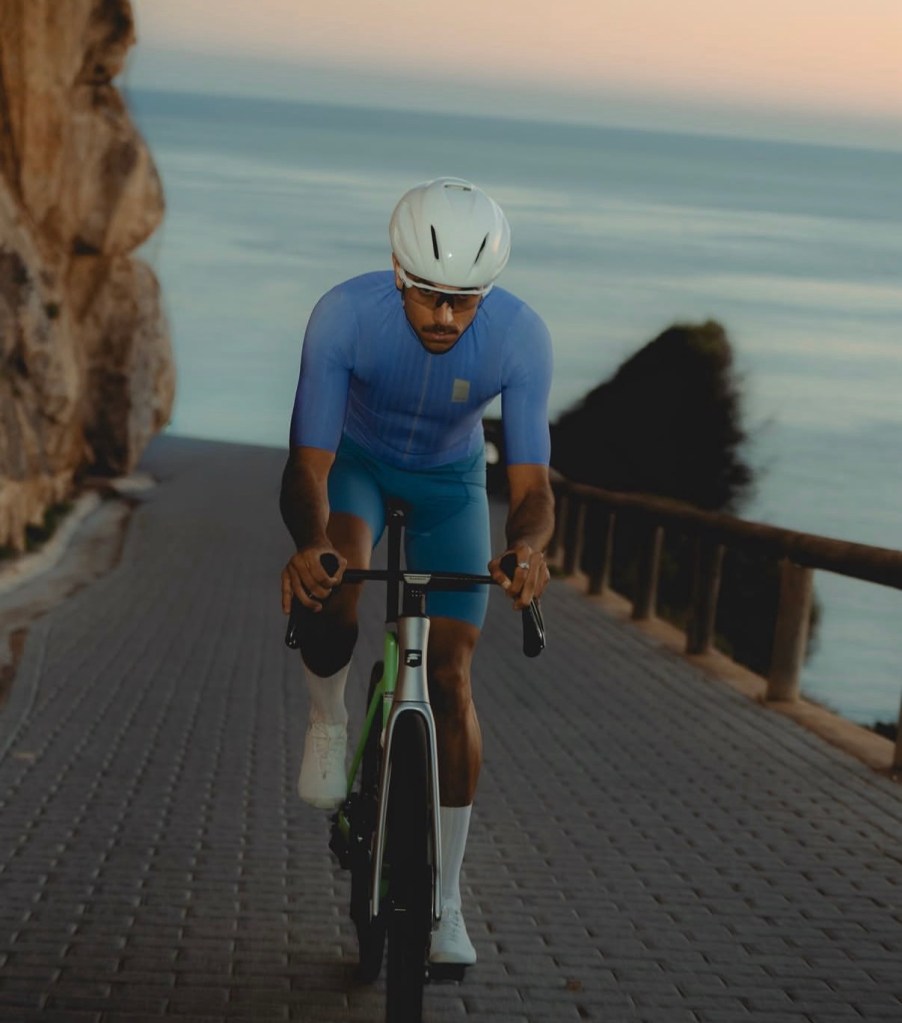
Coastal roads, mountainous landscapes, Mediterranean architecture, and open countryside have all become settings for the brand’s collections. These locations communicate something that technical product descriptions cannot fully capture: the freedom, curiosity, and sense of discovery that draw people to cycling.
The brand’s connection to the creative community also appeared early in its development.
In 2020, TAN LINE collaborated with Spanish artist Gonzalo Martín Domingo, known as Taquen, on a cycling jersey that brought an artistic perspective into performance clothing. The collaboration grew from a personal connection through cycling in Madrid, demonstrating how the brand’s creative relationships could emerge naturally from the sport itself.
Rather than treating collaborations simply as opportunities to place two names on a product, projects like this helped establish TAN LINE as a platform where different creative disciplines could meet.
Its growing campaign archive reflects that same philosophy.
Projects associated with Mallorca, Menorca, the Basque Country, New Zealand, and endurance events such as Badlands have allowed the brand to document different landscapes and riding experiences. These campaigns place equal importance on the environments, personalities, and experiences surrounding the clothing.
TAN LINE has organized much of this material under the name Tanline Museum, preserving earlier collections and campaigns as part of its evolving history.
For an independent sportswear label, this represents an important distinction. Rather than allowing each collection to disappear when the next season arrives, TAN LINE treats its previous work as part of a continuing creative identity.
The archive becomes more than a record of products. It becomes a record of the brand’s development, the places it has traveled, and the people who have contributed to its story.