
Nomio is a Swedish performance brand built around an idea that sounds almost too simple to be taken seriously: that broccoli could become a legitimate tool for endurance athletes.
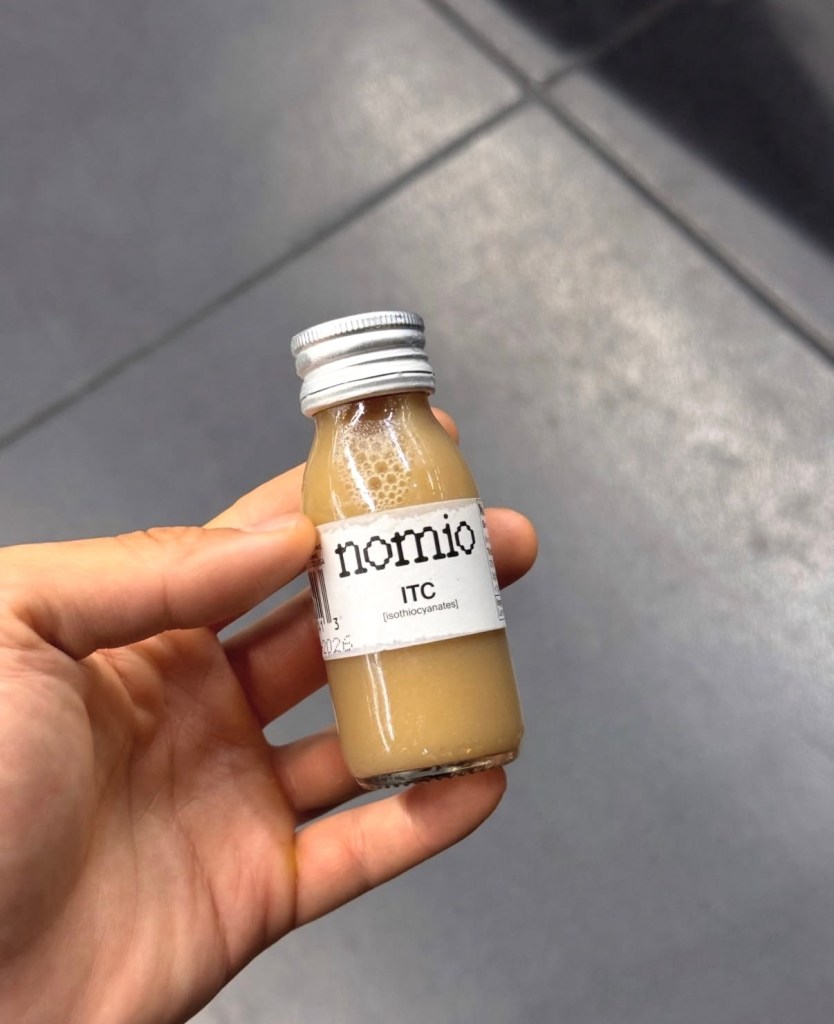
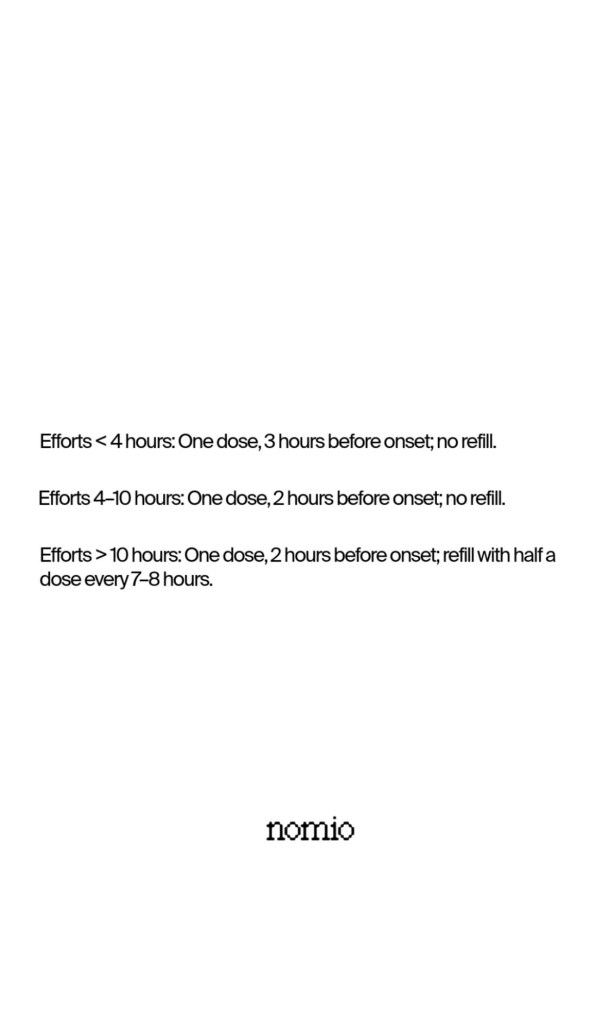
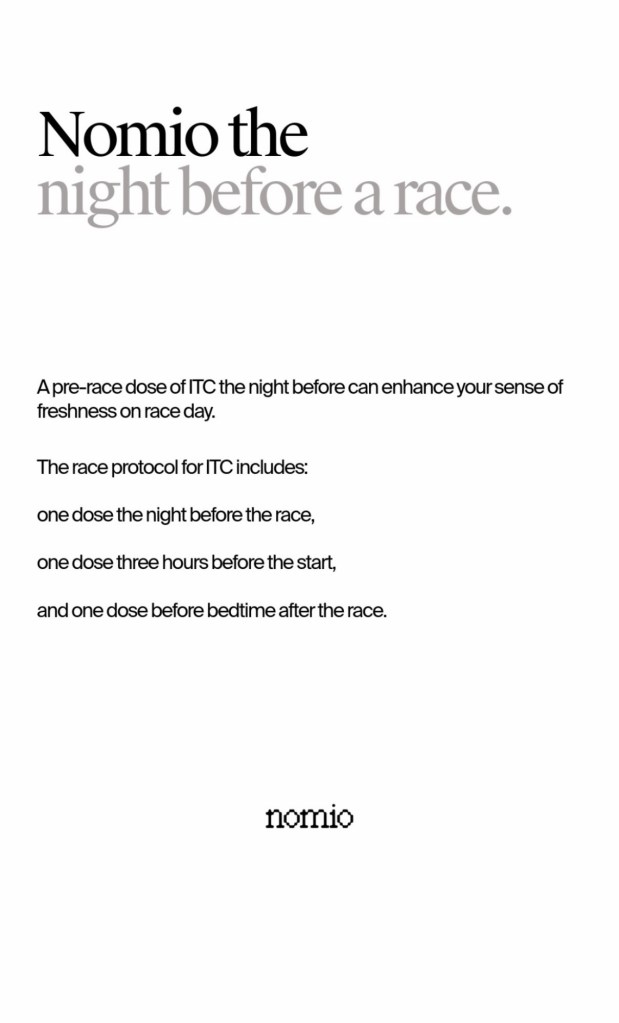
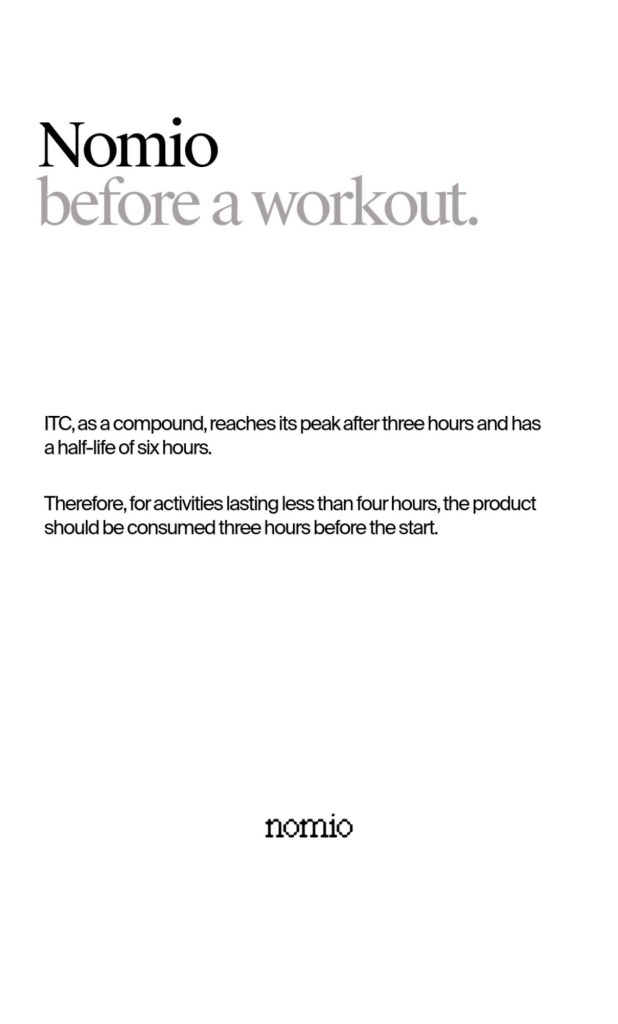
Its signature product is a concentrated 60 milliliter shot made primarily from young organic broccoli sprouts. Athletes take it roughly three hours before a hard workout or race, with the formula designed to support the body through the physical stress created by intense effort. Instead of relying on caffeine or other stimulants, Nomio focuses on how the body responds to lactate, oxidative stress, and demanding training.
That distinction is important. Most performance products are built around immediate energy. They promise a faster rush, greater alertness, or enough stimulation to push through fatigue. Nomio takes a different approach. The product is positioned less as a source of energy and more as a way to help the body manage what happens once effort begins to rise.
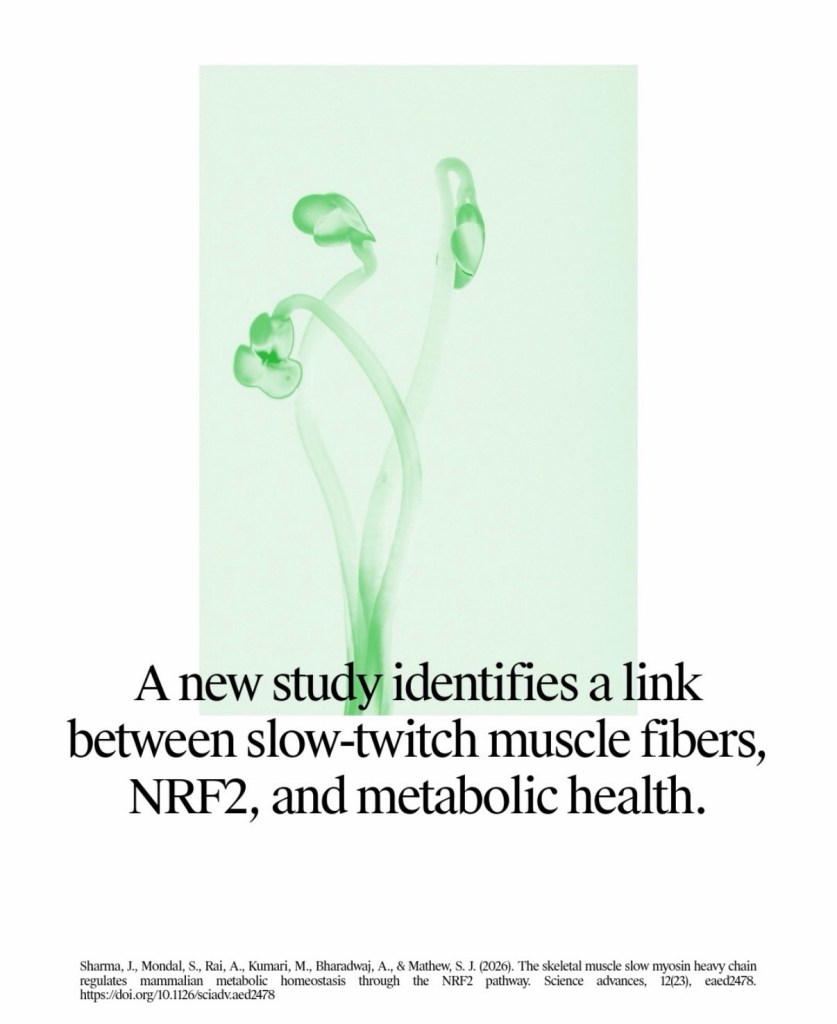
At the center of the formula are isothiocyanates, naturally occurring compounds found in cruciferous vegetables such as broccoli. Nomio grew out of research from Swedish scientists studying how these compounds could influence exercise performance, recovery, and the body’s response to stress. Before the product reached the wider public, the team completed extensive laboratory testing and distributed early versions to hundreds of elite athletes.
That testing phase helped shape more than the formula. It established the environment in which the brand would first build credibility. Nomio did not enter the market through mass advertising or broad wellness claims. It moved through endurance sport from the inside, appearing among runners, cyclists, triathletes, and skiers already searching for small improvements in performance.
Those communities are built around margins. A few seconds can change the outcome of a race. A slightly better response to a difficult training block can affect the weeks that follow. Recovery, preparation, nutrition, and pacing are studied closely because athletes at the highest level rarely find major gains in one place. Progress is usually created through several small decisions working together.
Nomio has positioned itself within that search. The product is not presented as a substitute for training, proper nutrition, or recovery. It is designed for the moments when those foundations are already in place and an athlete is looking for another potential advantage. Hard intervals, threshold sessions, long races, and concentrated training blocks become the settings where the shot makes the most sense.
This athlete adoption has become one of the strongest parts of Nomio’s story. Instead of relying entirely on polished campaigns, the brand has built visibility through race mornings, locker rooms, training camps, and professional competition. That presence gives the product a sense of authenticity that is difficult to manufacture. Athletes are not simply appearing beside the bottle. They are helping place it inside the rituals and routines that define endurance sport.
The product itself also benefits from the clarity of its story. One small bottle. A short ingredient list. A familiar vegetable transformed into something unexpected. In a market crowded with powders, gels, capsules, and complicated supplement stacks, Nomio is easy to understand. The science behind it may be complex, but the product is not.
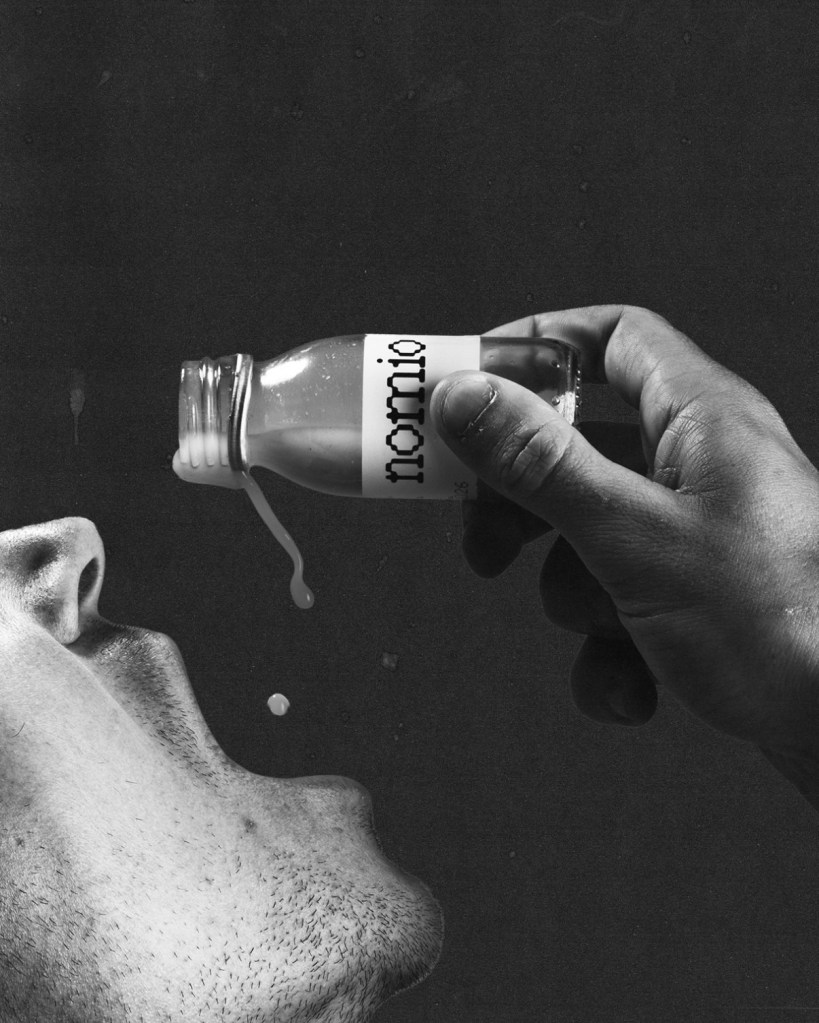
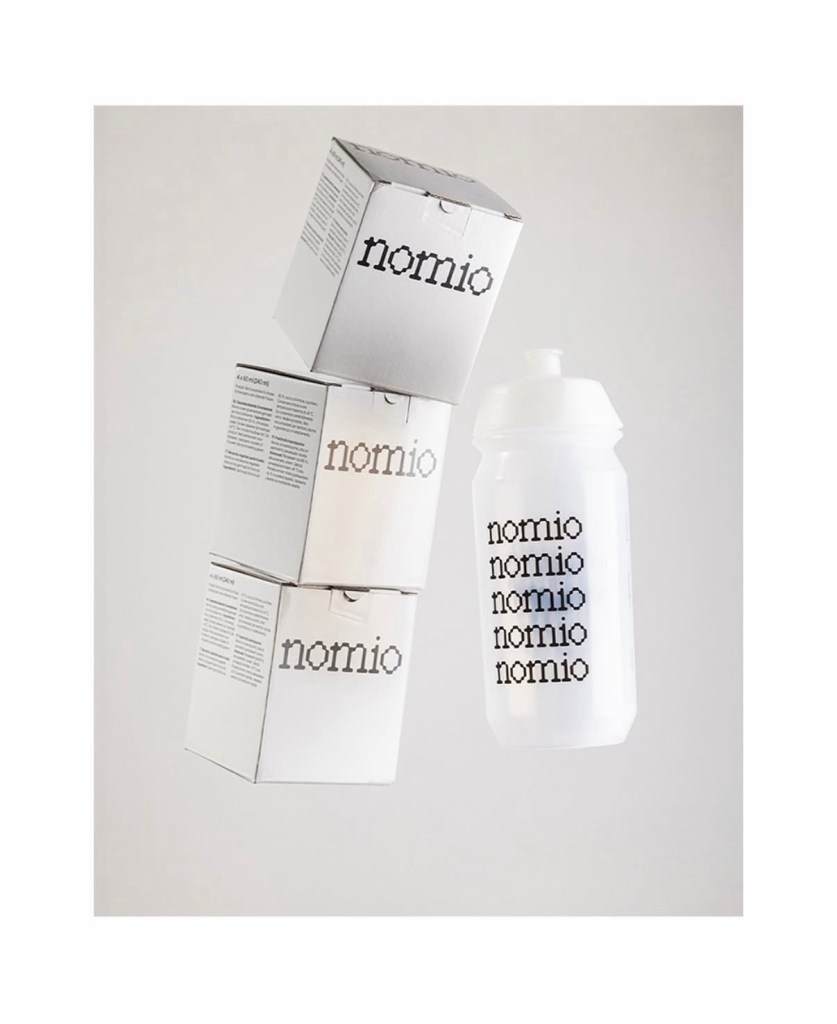
Its visual identity reinforces that simplicity. The lowercase wordmark, monochrome packaging, and restrained photography separate Nomio from the loud colors and aggressive graphics commonly associated with sports nutrition. It does not look like a conventional supplement company. It feels closer to a contemporary performance label shaped by science, design, and athletic culture.
That restraint allows the product to travel beyond the world of traditional sports nutrition. Nomio fits naturally into running culture, but it also speaks to the wider movement surrounding performance, wellness, fashion, and design. The bottle can sit inside an elite athlete’s training bag while still feeling visually relevant in an editorial campaign or independent concept store.
This crossover is part of what makes the brand interesting. Endurance sport is no longer isolated from the broader culture around it. Running clubs have become social spaces. Technical apparel has entered fashion. Recovery has become part of lifestyle. The objects athletes use are increasingly expected to perform well and communicate a clear point of view.
Nomio understands that shift. It is not simply selling an ingredient. It is building a world around a different vision of performance, one where natural compounds, scientific research, considered design, and elite sport can exist within the same identity.
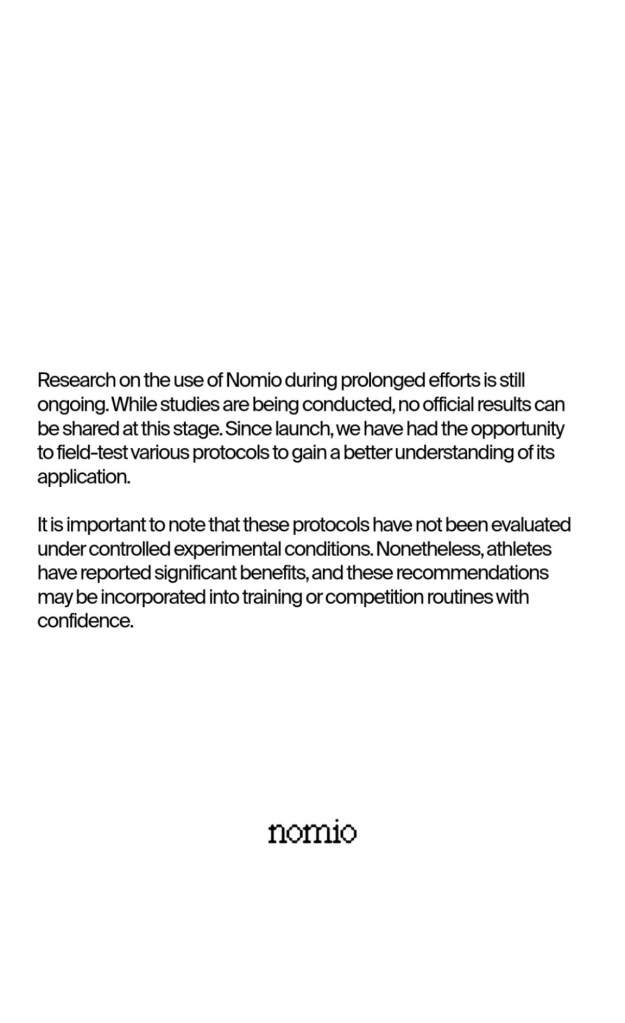
The research behind the product is still developing, and Nomio’s claims should be understood within that context. Early findings may be promising, but no supplement can guarantee performance. Athletes respond differently, and improvements are shaped by far more than a single product. Training history, sleep, nutrition, genetics, race strategy, and recovery all remain central.
Still, Nomio has already achieved something significant. It has taken broccoli, one of the most ordinary symbols of health, and reframed it as a premium performance object. Through research, athlete adoption, and a strong visual language, the brand has made the idea feel less like a novelty and more like the beginning of a new category.
Nomio is not trying to make broccoli exciting for its own sake. It is showing how an overlooked natural ingredient can be reconsidered when science, sport, and design are brought together. In a culture obsessed with finding the next advantage, the answer may have been familiar all along.