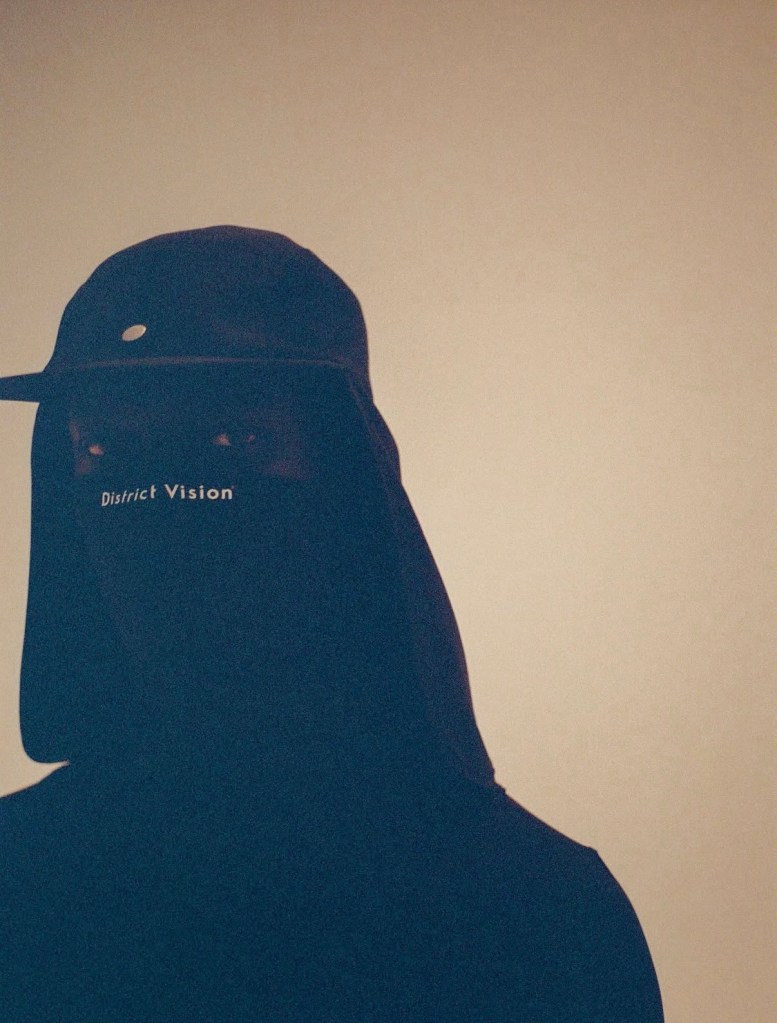
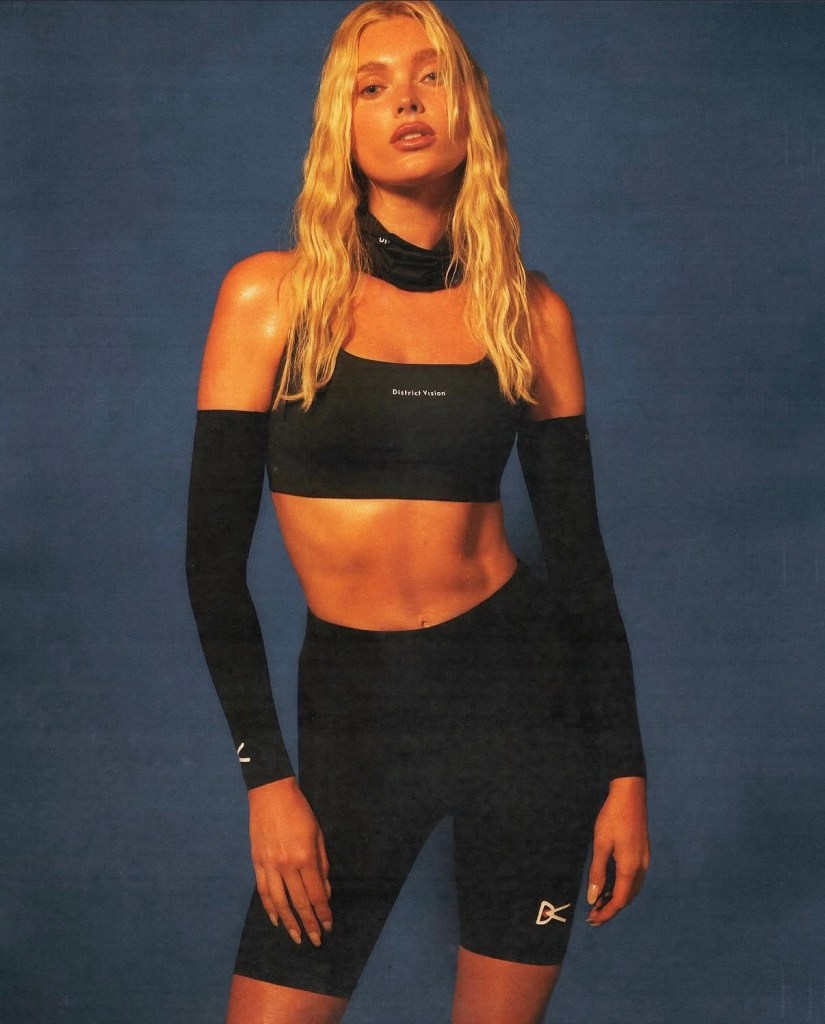
District Vision began with two friends trying to build a healthier relationship with movement.
Tom Daly and Max Vallot met while studying in London before eventually entering the fashion industry in New York. Daly worked at Acne Studios while Vallot worked at Saint Laurent. Surrounded by the pressure, nightlife and constant consumption of fashion, Daly began running more seriously while Vallot turned toward meditation. Together, they started leading meditation sessions for runners, including members of New York’s Black Roses crew.
That was the real beginning of District Vision.
The brand was not created as a clothing label. It started as an exploration of how the mind and body could work together through movement. Daly and Vallot believed athletic performance was too focused on numbers, equipment and physical output, while breath, awareness and emotional control were often ignored.
The product came later.
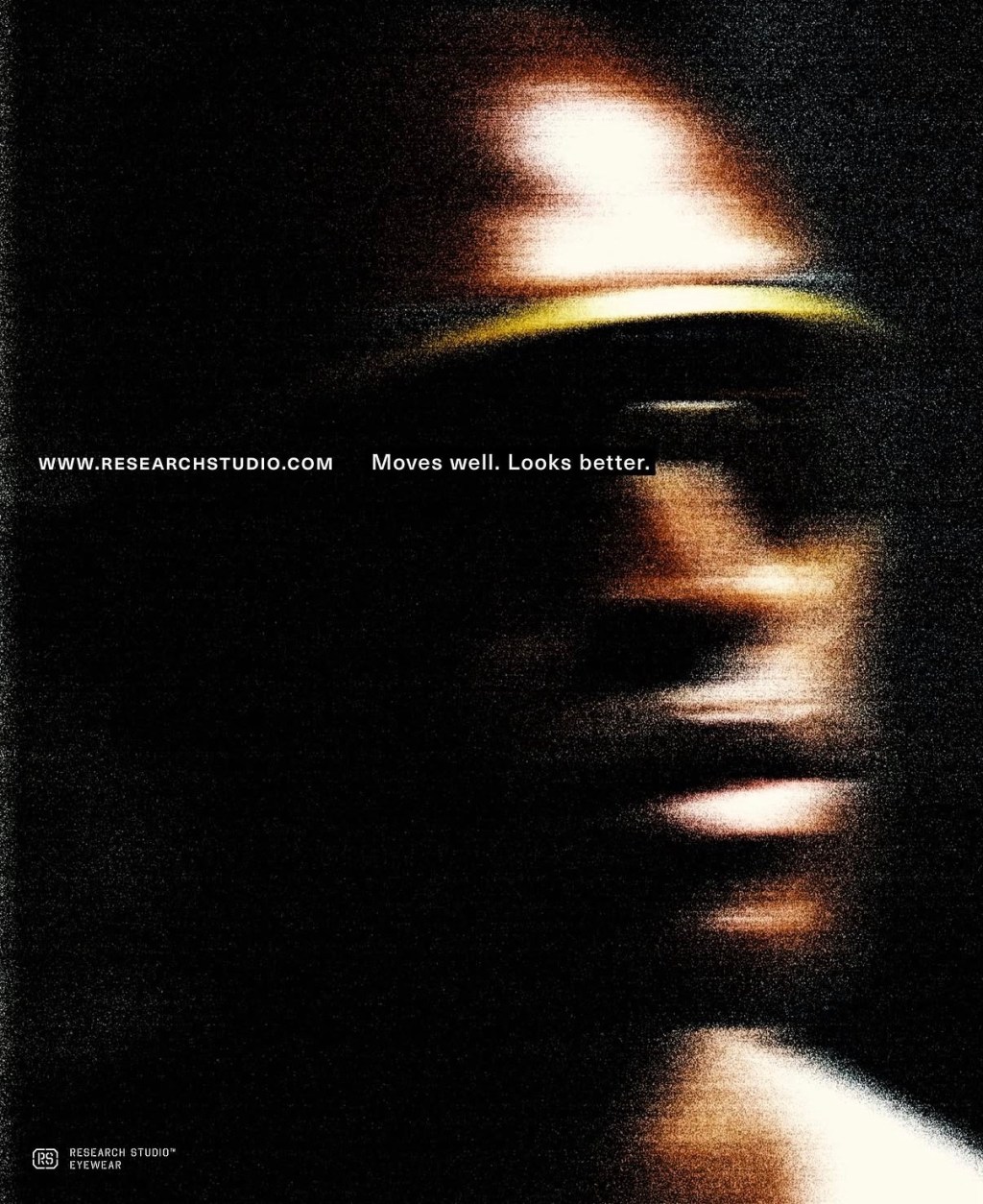
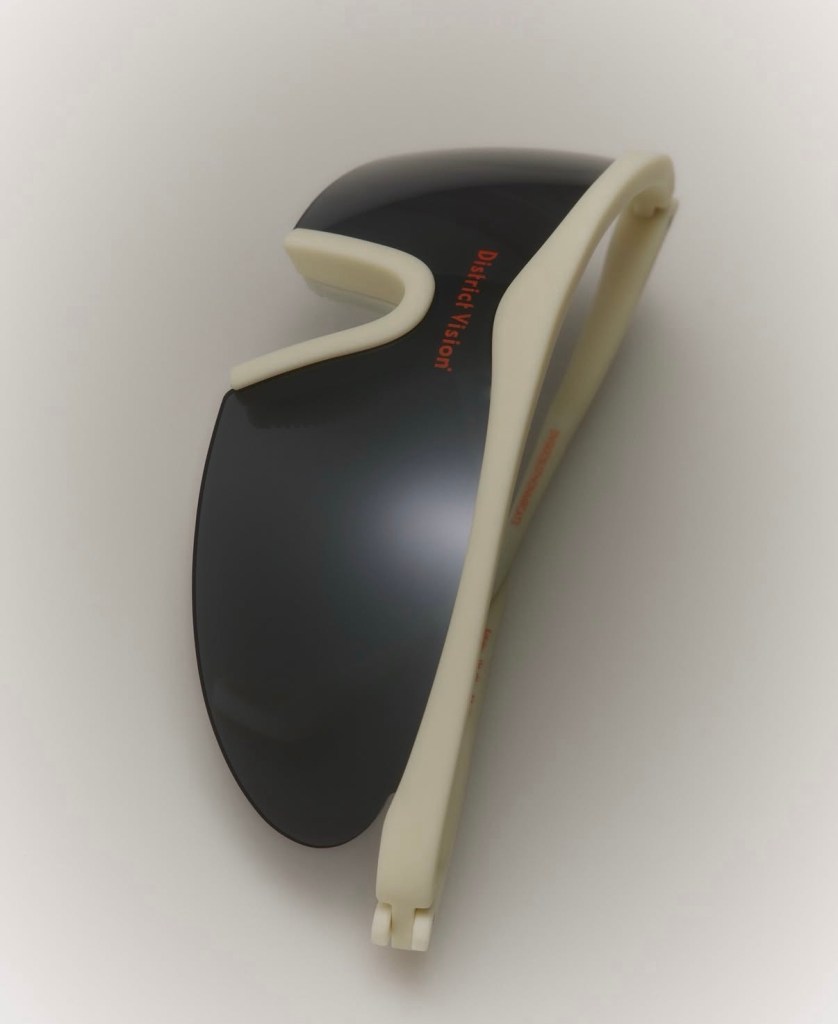
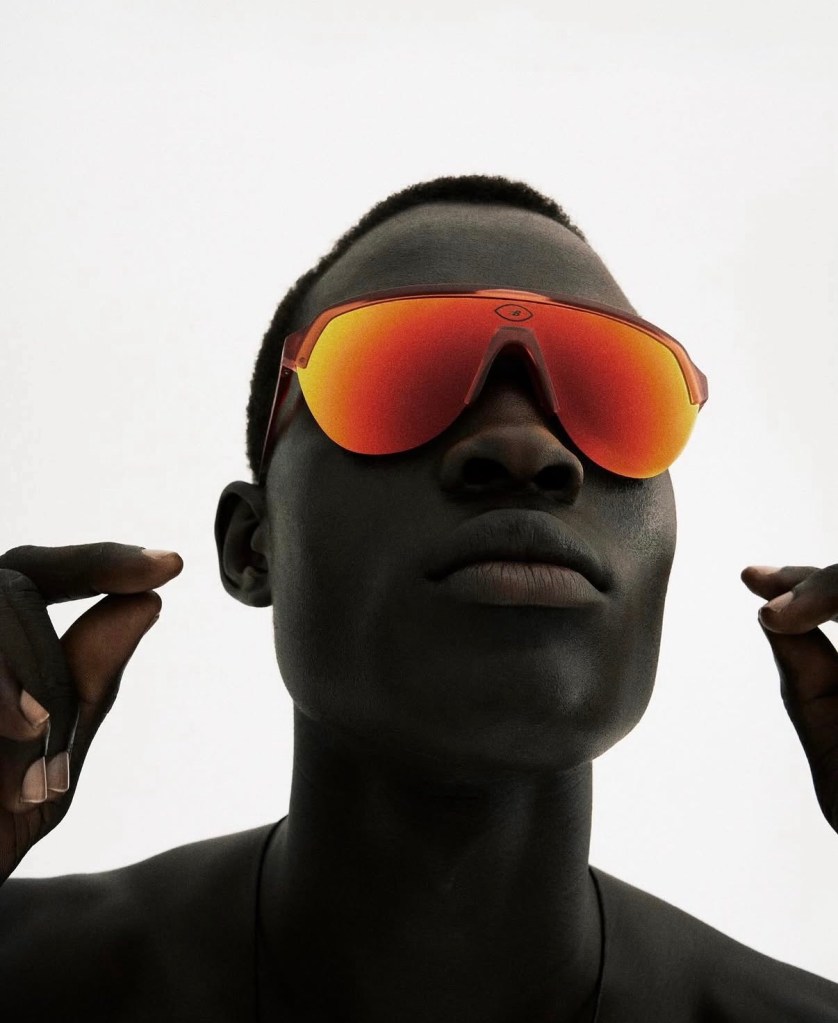
Both founders admired Japanese eyewear and saw an opportunity to create performance sunglasses that worked at a serious level without looking overly mechanical. Development began in Japan, where District Vision spent more than two years working with specialist engineers on its first frame.
Released in 2015, the Keiichi became the foundation of the brand. Lightweight nylon, rubber and beta titanium were combined with adjustable nose pads, flexible temples and impact resistant lenses. The frames were tested by runners in real conditions and built to handle sweat, rain, changing light and long distances.
District Vision treated sunglasses as equipment, not accessories.
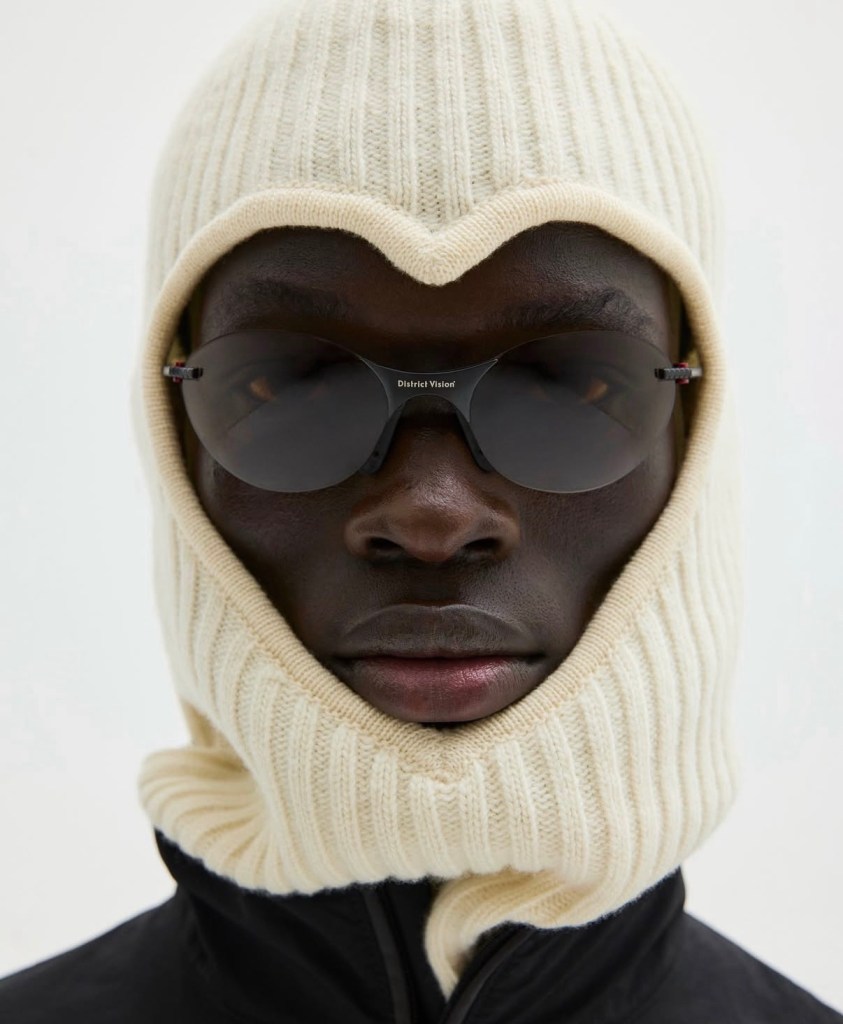
That approach immediately separated the brand from traditional running companies. Its frames felt technical, but they also carried the restraint and visual intelligence of contemporary fashion. The designs were clean, precise and futuristic without feeling exaggerated. Models such as the Nagata Speed Blade pushed the eyewear into sharper, more expressive territory, while different lenses were developed for roads, trails, direct sun and shifting conditions.
The balance between performance and design helped District Vision enter stores such as Colette and Dover Street Market. Running equipment was suddenly being presented alongside luxury fashion and independent design, helping create the space now occupied by a new generation of culturally driven performance brands.
Apparel followed around 2018.
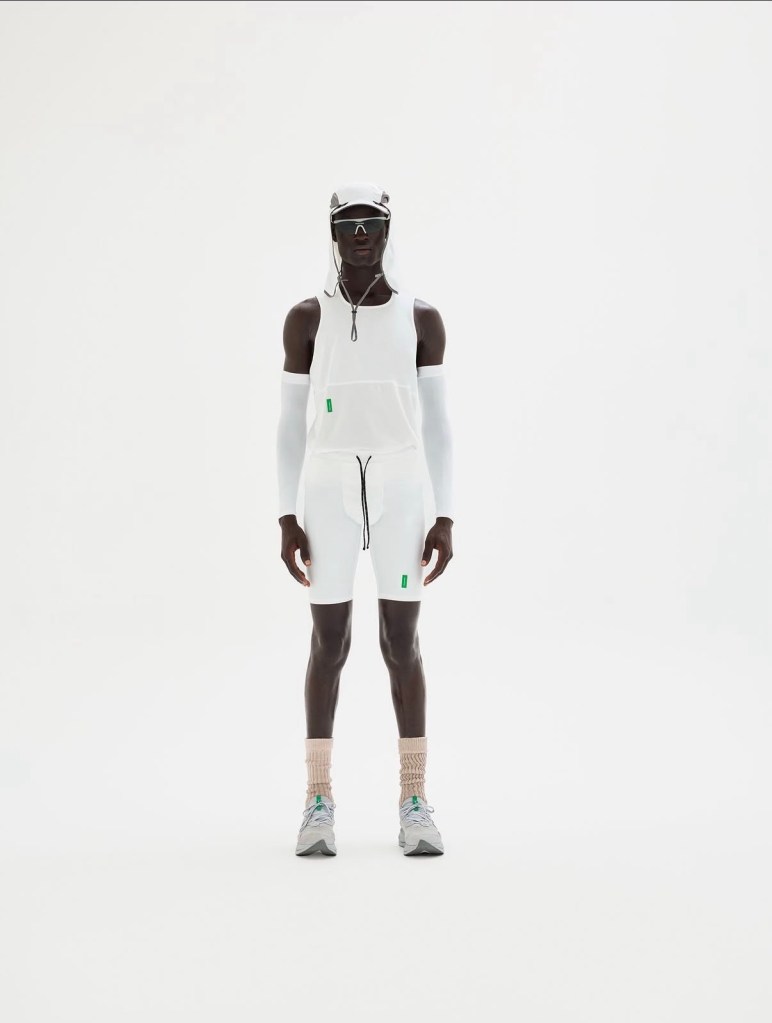
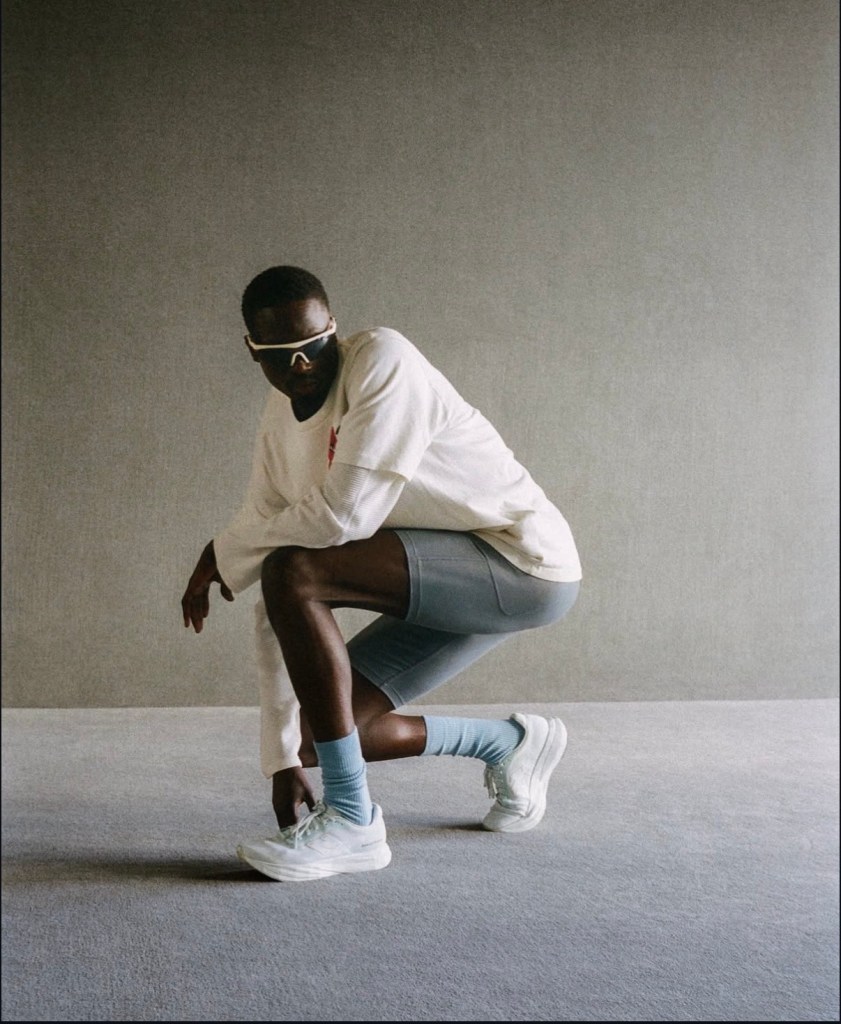
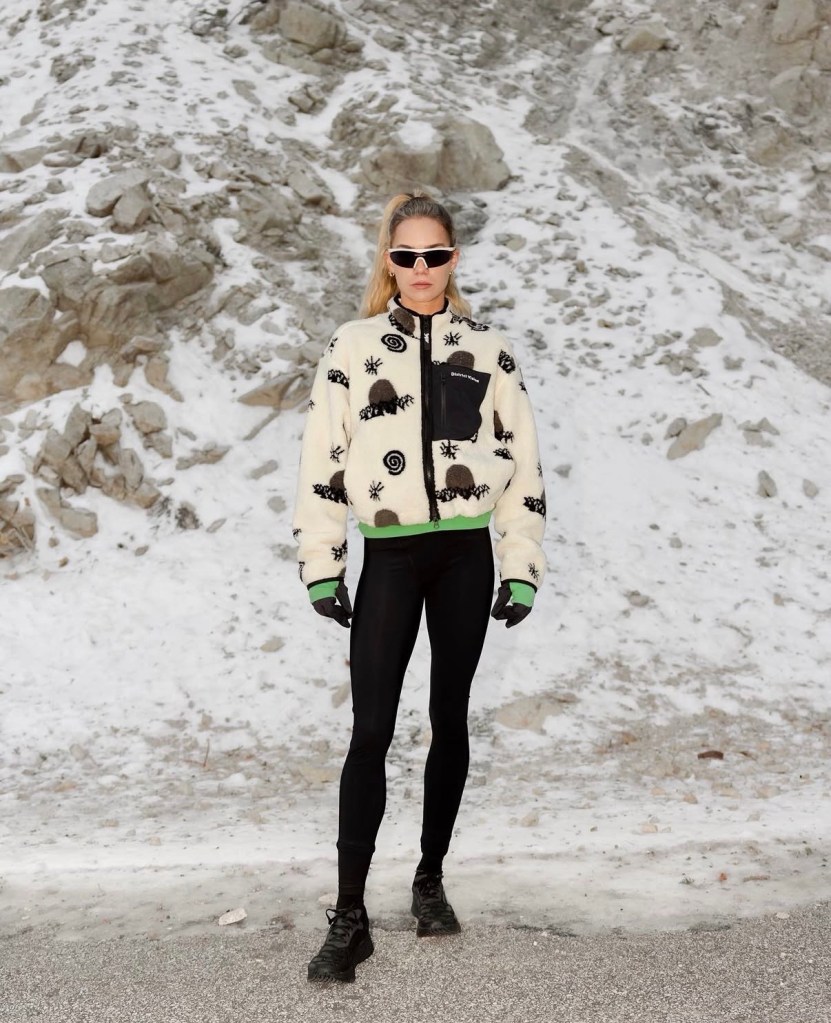
The clothing extended the same thinking found in the eyewear. District Vision created singlets, running shorts, tights, shells, lightweight layers and trail pieces using technical materials and minimal branding. The silhouettes were streamlined but not sterile, often combining muted colors, close athletic fits and subtle construction details.
One of its early textile developments was Air Wear, a lightweight mesh fabric that appears relatively solid until stretched, revealing thousands of small openings for ventilation. It captured the brand’s wider approach: serious function expressed through quiet, considered design.
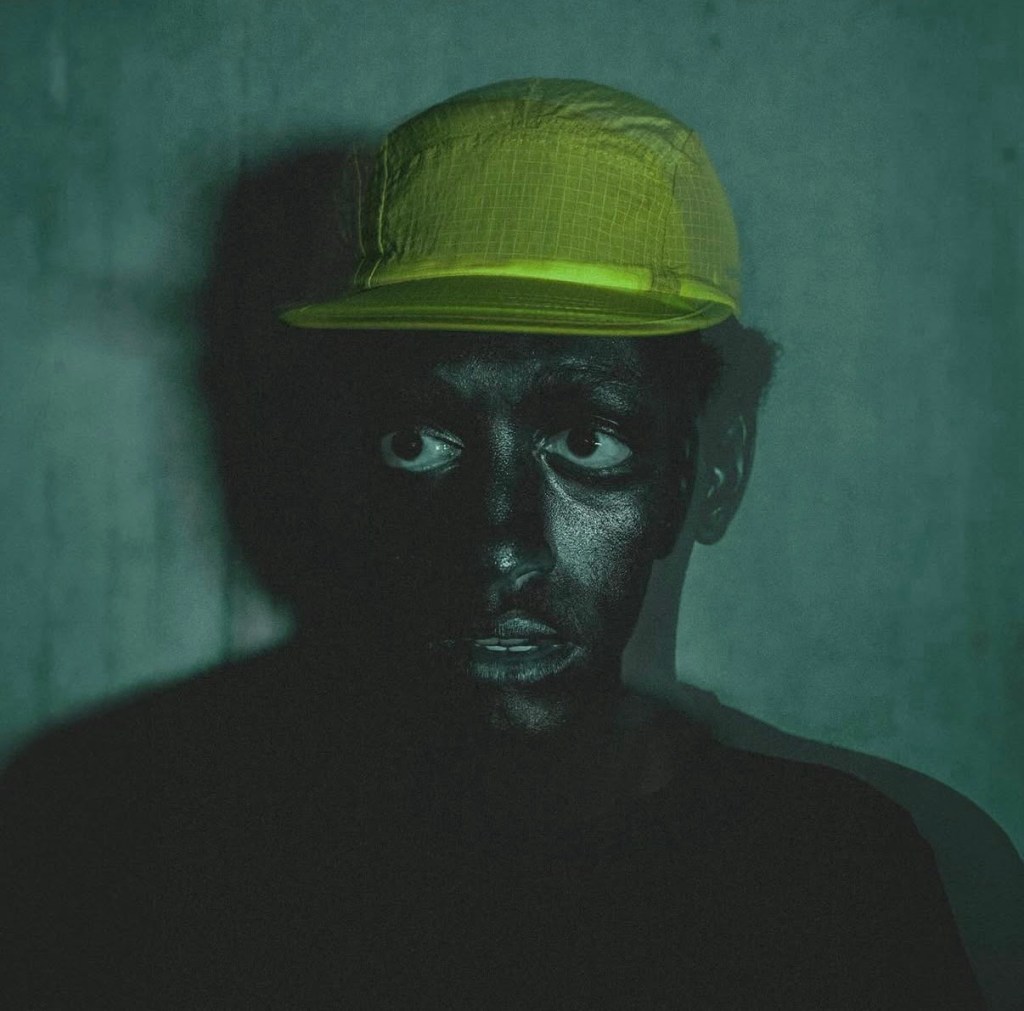
District Vision’s clothes are built for real training, but they do not look like conventional running uniforms. There are no oversized logos or loud performance graphics. Instead, the brand focuses on fabric, proportion, texture and movement. The result sits somewhere between endurance equipment, Japanese minimalism and modern fashion.
Meditation remained central as the company grew.
District Vision introduced programs such as Meditate + Run and later developed courses around breathing, focus, sound and bodily awareness. The founders use the phrase human technology to describe these internal tools. A technical jacket may protect the body from weather, while breath and attention help the athlete manage discomfort, stress and fatigue.
For District Vision, both are part of performance.
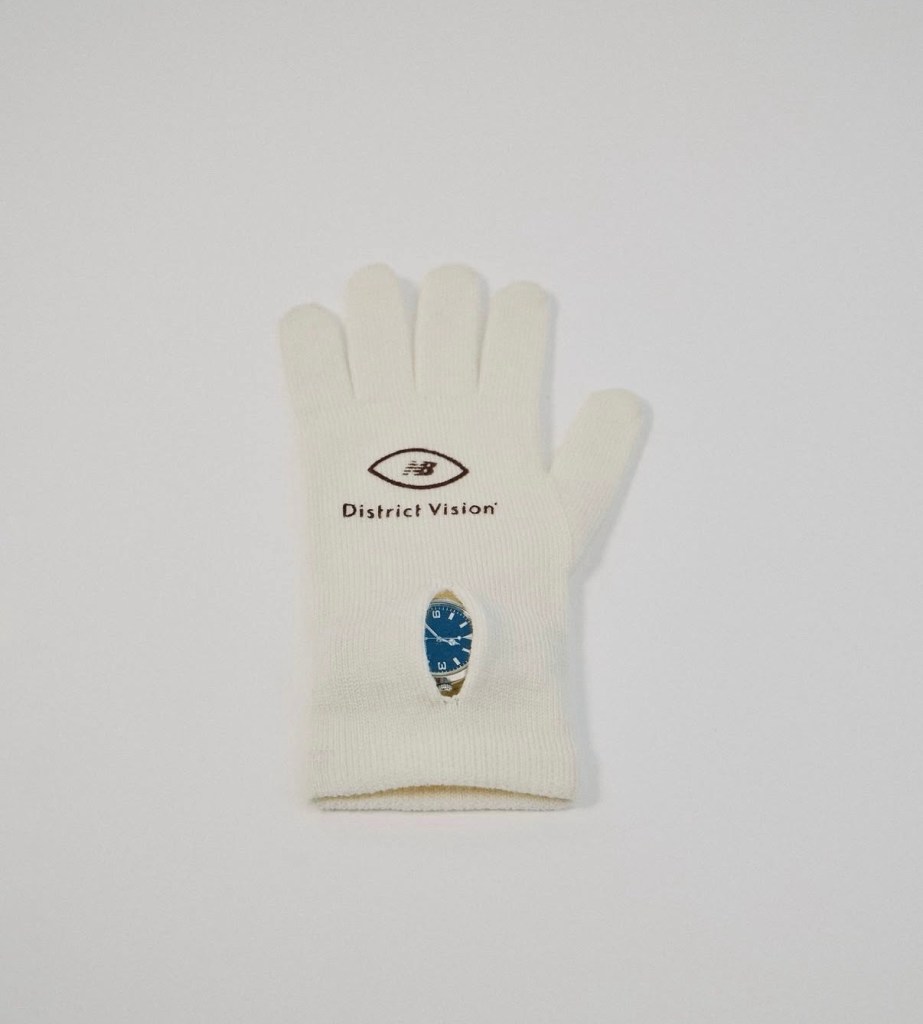
The brand’s collaborations expanded that philosophy into new categories. Projects with New Balance introduced footwear and apparel, while partnerships with Salomon, Suunto, Tracksmith, Falke and and wander connected District Vision to road running, trails, outdoor equipment and navigation.
Still, the brand never lost its original identity.
Although District Vision was born in New York, it later moved its center to Los Angeles, where access to trails, nature and year round movement better matched its evolving world. The city allowed the company to build around product, community, education and a slower relationship to performance.
What began as meditation sessions between two friends has grown into one of the most influential independent brands in modern running.
District Vision helped prove that technical equipment could be functional, culturally relevant and visually refined at the same time. It made performance eyewear feel like a serious design category and brought mental wellbeing into running before it became standard industry language.
The brand did not simply change how running gear looks.
It changed how running could be seen.